A Huge Rammed Earth House in Australia

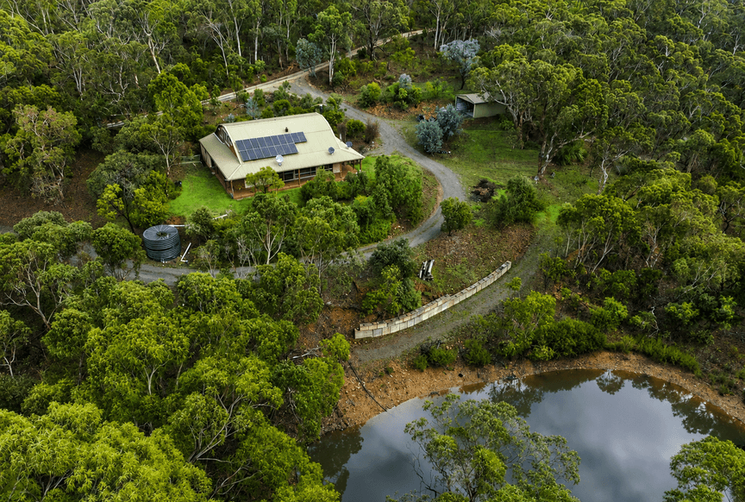
Set across approximately 23 acres in the rolling landscape of Lower Chittering, Australia is a 4682 sq. ft. rammed-earth residence, with the proportions to comfortably accommodate a large family. Five oversized bedrooms include a substantial master suite with a walk-in robe and ensuite. The home’s centerpiece is an expansive open-plan living and dining area complemented … Read more
The Taiwan Bamboo Expo

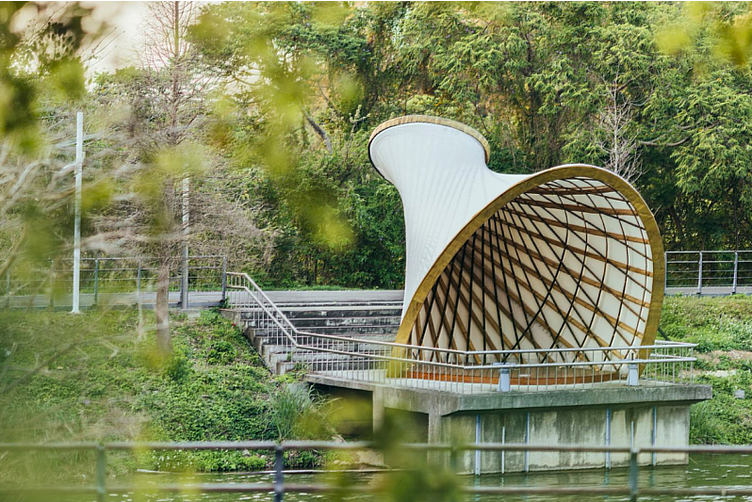
A growing collection of bamboo structures has transformed National Yang Ming Chiao Tung University into one of Taiwan’s most distinctive hubs for bamboo innovation—a place where architecture, engineering, digital fabrication, and sustainability converge. What was once associated primarily with traditional craftsmanship now appears in architectural installations, public spaces, and experimental structures that explore new possibilities … Read more

A Former Vicarage Transformed into a Wonderful Home

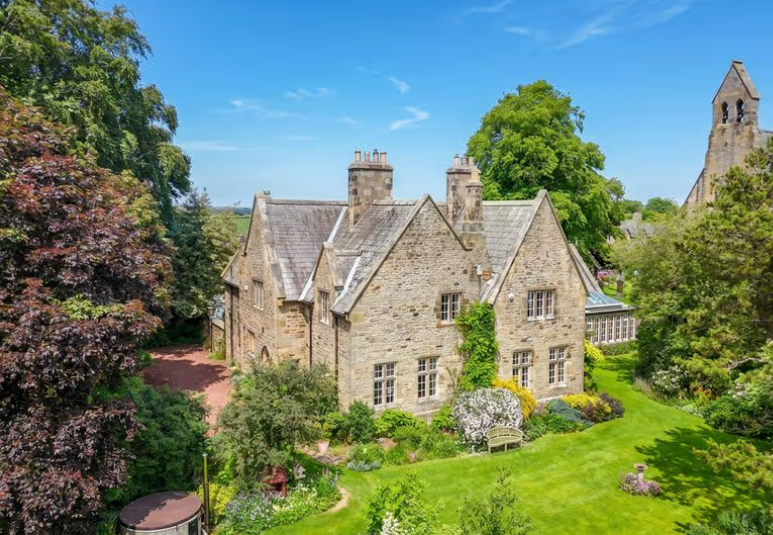
This Northumberland former Vicarage, adjoining cottage, and original stone Coach House has been transformed into a wonderful home. The five bedroom stone period house was built in 1861 and has accommodations are set over two floors. The house has been improved and restored over the last 15 years, creating a family home with great versatility, … Read more

A Lovely Homestead in Australia

Tucked away within native bushland, this secluded retreat offers a rare sense of peace and privacy.  Positioned to capture natural light and stunning surroundings, the home features a spectacular curved timber roof and a striking stone fireplace. The rammed earth construction, paired with beautiful hardwood timber interiors, ensures the home stays naturally cool in summer … Read more

Building a Straw Bale Home in Luxembourg

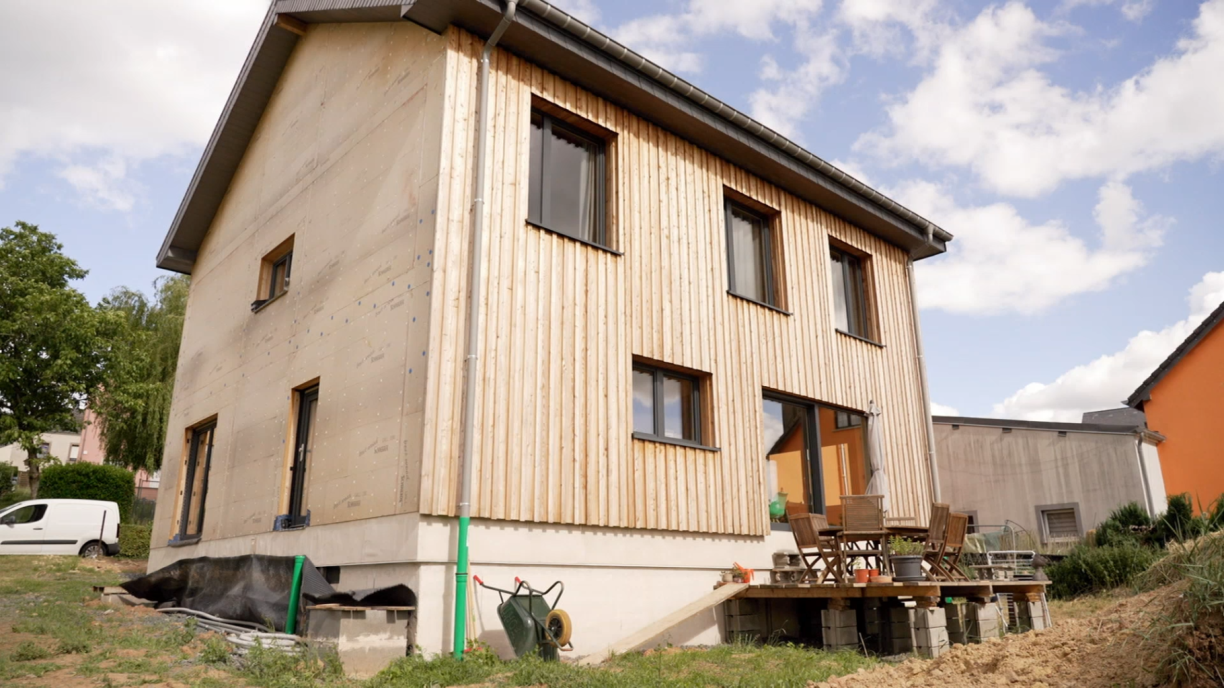
Marc Neu, a passionate advocate for sustainable building, has built his own home in Luxembourg using natural materials such as wood, straw, clay, and lime. He says, “A straw bale like this, about 1.1 metres long, costs five or six euros. I managed to insulate my entire house, from the floor slab up to the … Read more

Using Crooked, Forked and Curved Trees in Construction

Crooked, forked and curved trees are often treated as second-class timber. They are considered less valuable, and not suitable for load bearing walls or support systems in building. If a tree trunk is not straight enough to become a saw log, it is frequently diverted into pulp production or burned for energy. Architect and researcher … Read more