The Canelo Project: A Strawbale Story

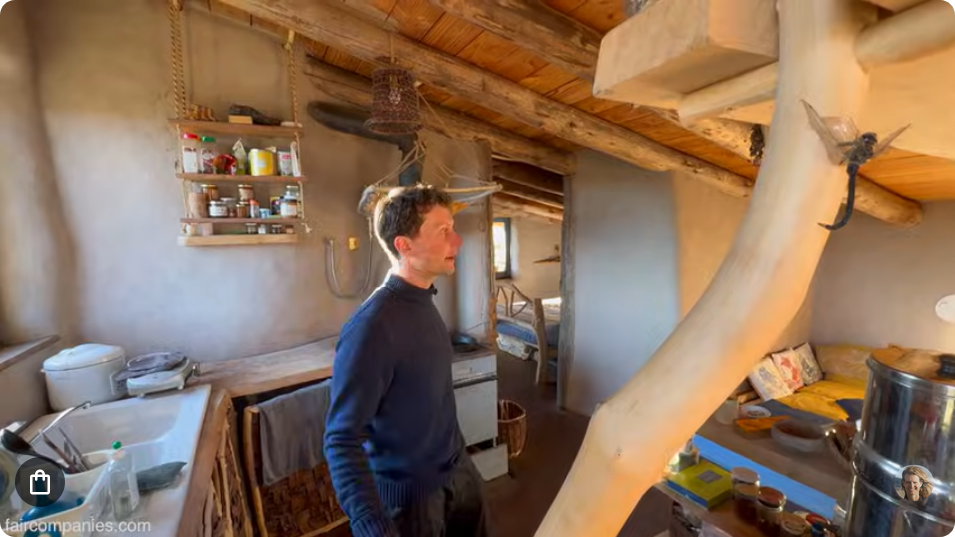
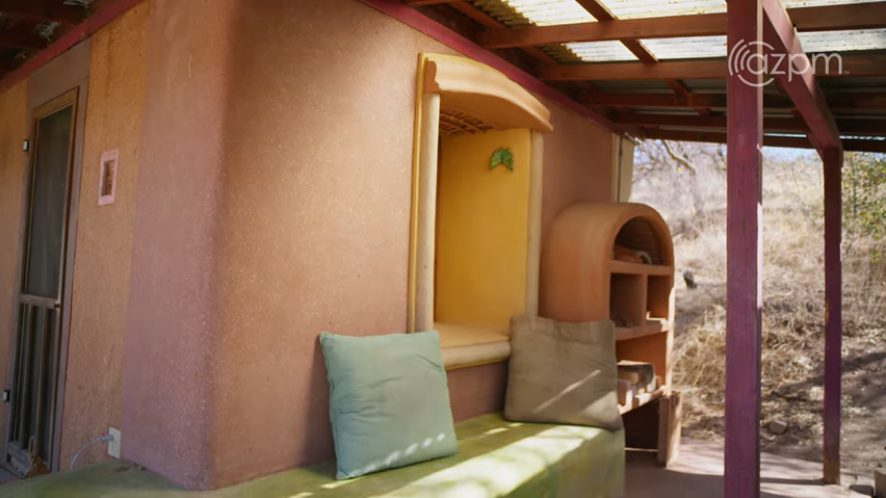
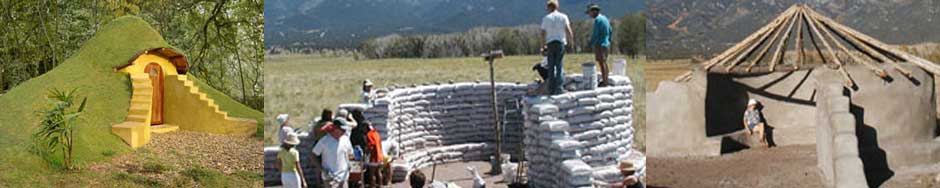
The Canelo Project, a family ranch in Sonoita, Arizona, uses the most basic of resources, dirt and straw, to build houses. Bill and Athena Steen, the husband and wife team that founded the project in 1989, use strawbales as the building blocks for their homes. They stitch together the bales, and plaster them with a … Read more

Earth Art Village in Crestone, Colorado

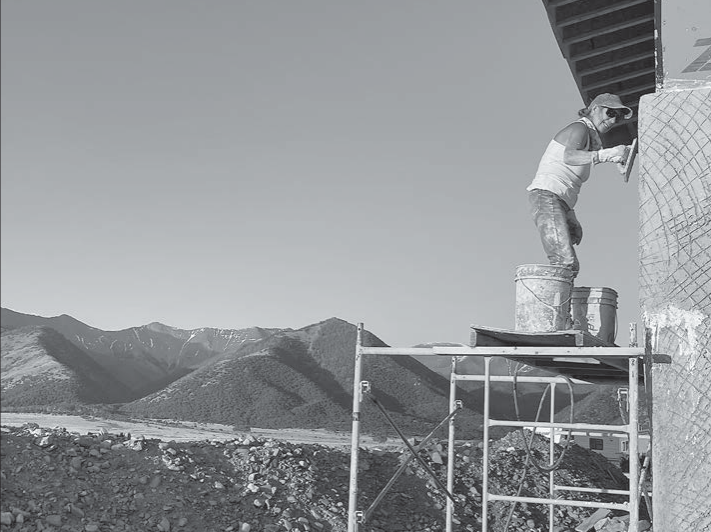
Suzanne Rouge is an athletic-looking 60+ year-old woman with a lot of energy and a lot of ideas. She is a driving force behind Earth Art Village, a cooperative collaboration for mutual benefit to all members, located just north of Crestone. Colorado. Earth Art Village began in 1998 with 460 acres to be subdivided into … Read more

Rare Forms Builds Wood/Straw Panels

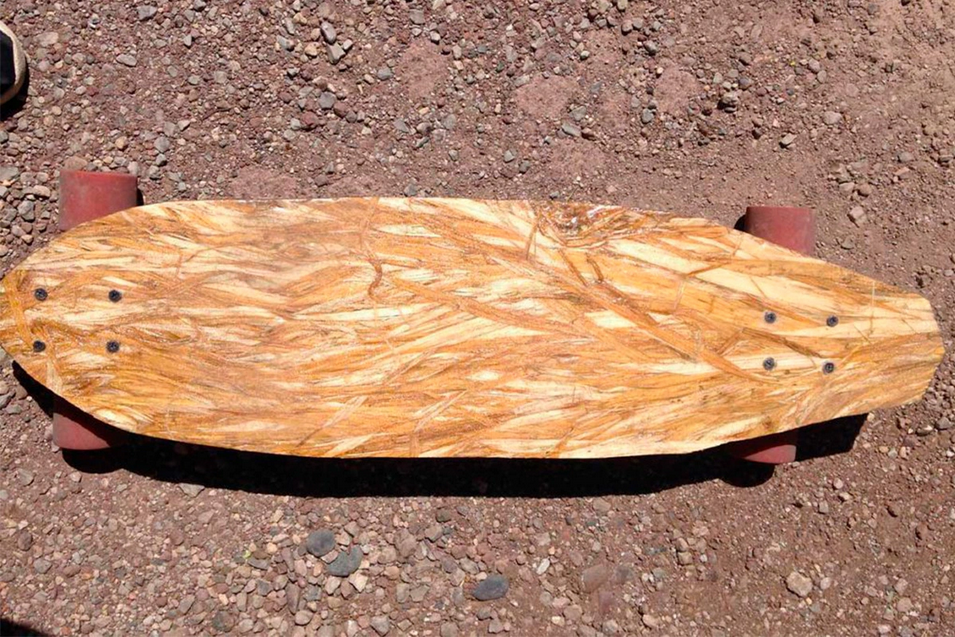
“We all grew up with the Three Little Pigs,” Greg Bossie says. “So people have a lot of misconceptions about the viability of straw as a building component.” But no one’s huffing, puffing, and blowing houses down that are constructed or renovated by Rare Forms, a unique construction company that Bossie founded in 2020. “We … Read more

Ecological Co-Housing in the UK

Hazelmead is the UK’s largest completed cohousing development, designed by Barefoot Architects for Bridport Cohousing. There are 53 affordable, net-zero carbon homes—mixing flats and terraced houses—along car-free streets, shared vegetable gardens, and a community microgrid with solar panels and battery storage. Built to rigorous sustainability standards, the timber-framed buildings have passive solar orientation, high insulation, … Read more

A Mud & Bamboo Mountain Retreat in India

Filmmakers Raman Siddhartha and Manju Narayan returned to Dharamshala, India to build a sustainable homestay made of local mud, bamboo, and slate. To reach it, you have to leave your car behind and walk a stretch of narrow path.  Here’s how they created an off-grid haven rooted in tradition and community. “I’ve lived in London … Read more

How Prefabricated Green Buildings Are Shaping Climate-Resilient Cities

A climate-resilient city can predict, withstand and recover from climate-related hazards — storms, heatwaves, floods — while maintaining its essential functions and keeping its population safe.  Key attributes include a robust infrastructure, renewable energy integration, natural buffers like parks and wetlands, and proactive city planning. These are some of the factors that cities use to anticipate, … Read more