Belton High School in Texas has won more championships in tiny home construction than any other school in the country. Could a team of rookies defend the title?
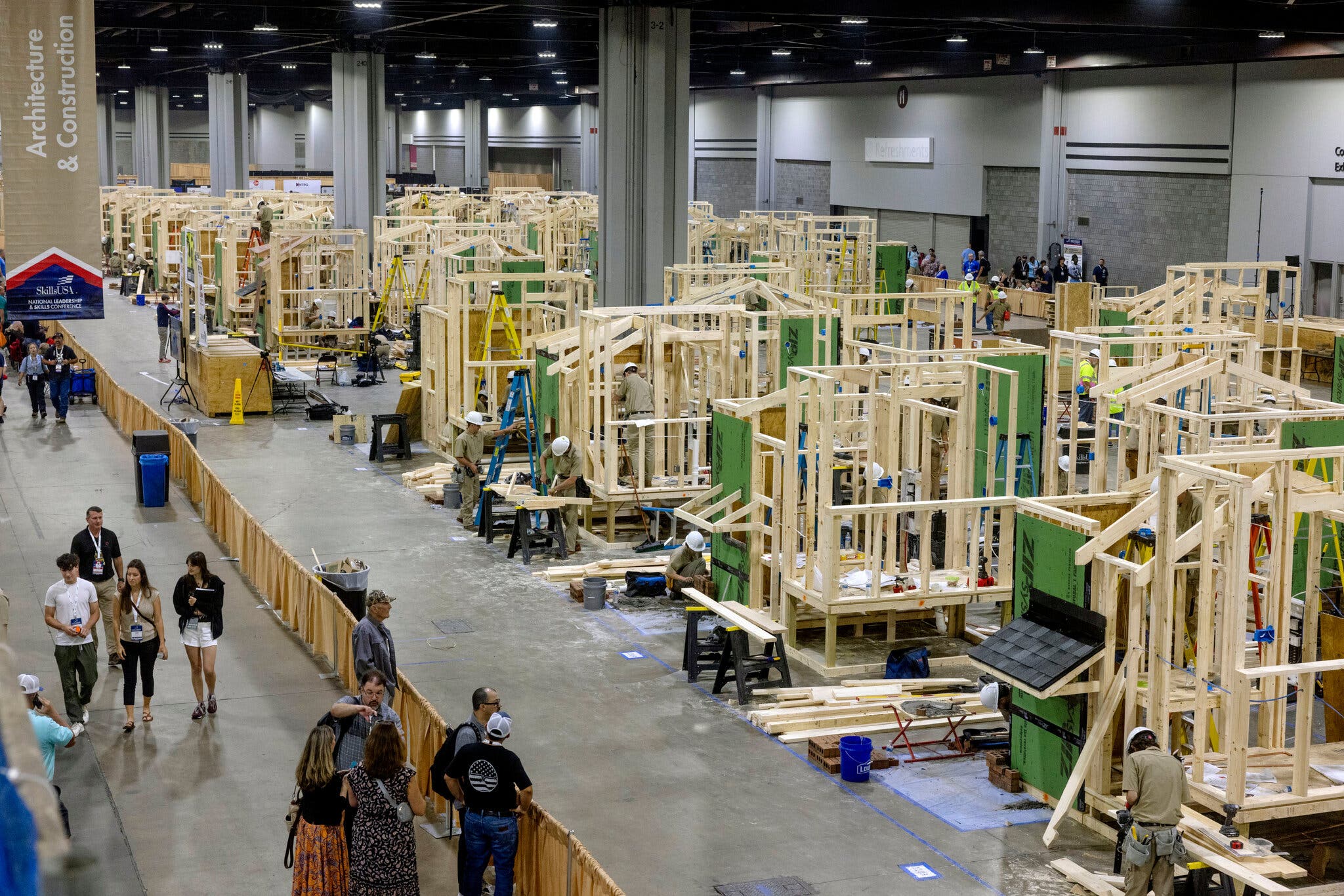
 The plumber, the mason, the electrician and the carpenter arrived a full hour early to collect their blueprints. They had two days in June to build an eight-foot by 10-foot tiny home inside the convention center in downtown Atlanta. They knew little else about their assignment, but they were anxious to get started defending their title at the SkillsUSA Championships. The 2024 team had hammered their way to victory erecting a tiny home with two stories, exterior steps with a railing, and a three-pitched roof.
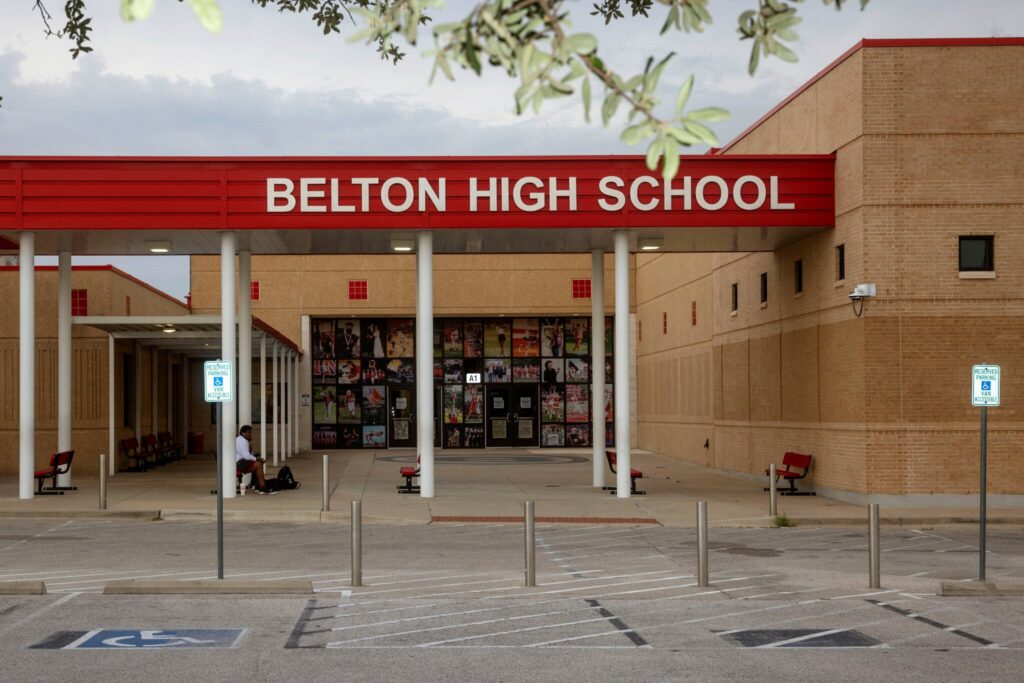 The teens could get a segment on the local television station, a spread in the front of the yearbook, a giant banner strung up in the high school wood shop and attention from local and national homebuilders who scout their school and the convention for talent.
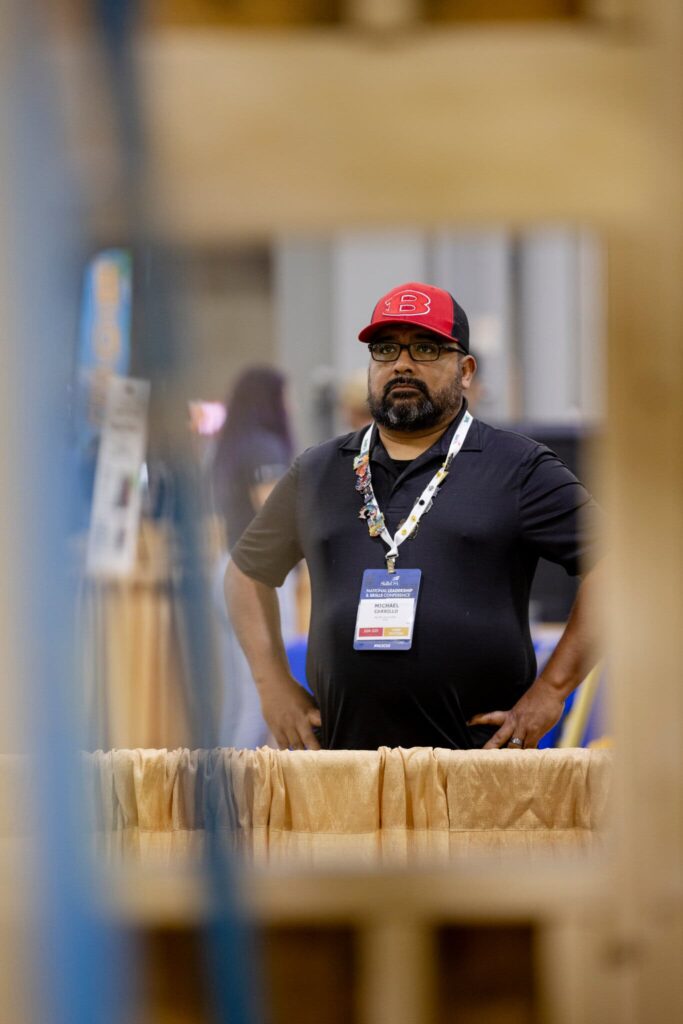 The new team won the state competition to represent Texas in Atlanta, but they were now facing 37 other state championship teams, some who were older and had been building together for years. “These boys are all business,” said their coach Michael Carrillo. “They just want to build.”
The crew practiced three nights a week until 9 p.m. During winter break, the boys spent their vacation days in the wood shop. Through all those evenings and missed vacations, the team developed a language, spoken more in gestures than words.
The team and their families were among 18,000 competitors and fans to descend on the Georgia World Congress Center for what can best be described as the Olympics for aspiring tradespeople.
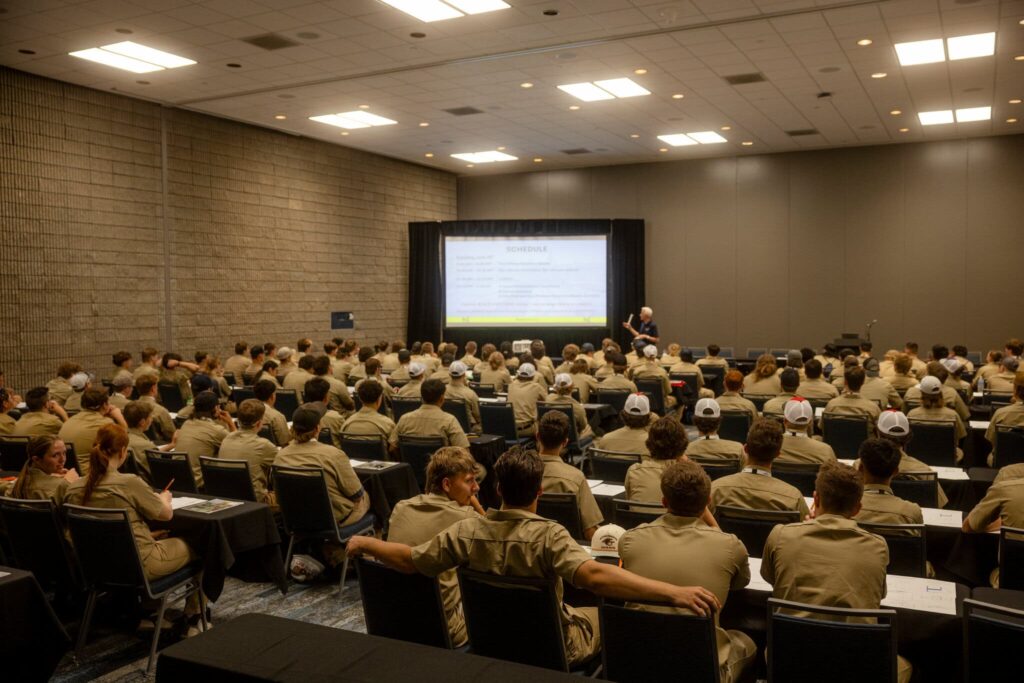 The competition would last two days, but first they needed to get through the orientation. The judges explained the rules: This design, the team learned as they unfurled their blueprints, would include three stories, a Juliet balcony, a window with an awning and a short brick wall. They would have to install rough plumbing and the electrical panel, outlets and wiring.
 The next morning, the teams stood at their stations, lumber at their feet, tool belts on their hips. The shriek of a red hand-held horn rang out at 8 a.m. sharp, and the air thickened with sawdust and hummed with drills and saws. Within minutes, the Belton team had a big problem: All around them framing began to rise, but not theirs.
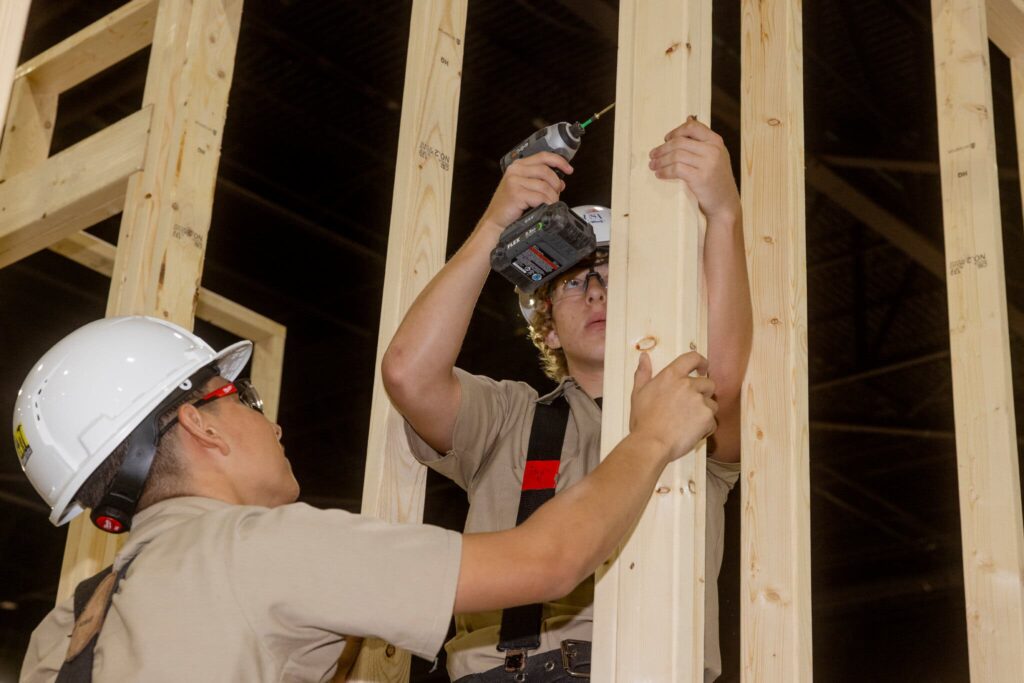 The judges, with measuring tape and notepads, circled the team’s station, tallying progress in inches and angles, an unnerving reminder that each decision counted toward the final score. The judges were looking for an accurate execution of the blueprint with clean lines and correct measurements.
 By lunchtime, Belton had the basic structure built. By 1 p.m. They were among six teams that were “in good shape,” said one judge.
Day two would be, as one judge put it, where the wheat separated from the chaff. By midmorning, the air smelled of butane and mortar. Only a few teams would finish, and it was not clear if Belton would be among them.
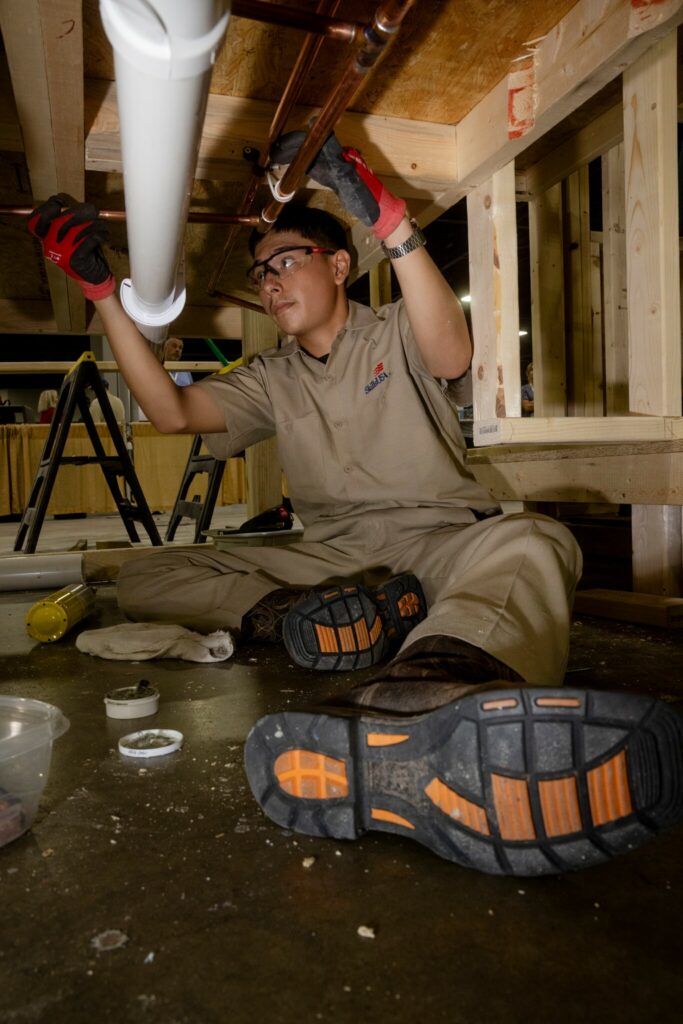 Joseph, lying under the house, installed the waterline, and kept track of the time with a watch he’d bought at Walmart just for the competition. By 1 p.m., the team’s to-do list was long and the time short — the window awning had no shingles, the wall no siding, and there were only three hours left.
With 30 minutes left, at 3:30 p.m., the stairs were installed, but the treads were too short. Then, seemingly all at once, the boys attached the siding and the shingles, and with eight minutes to spare, they finished. Only five high school teams had completed their tiny house.
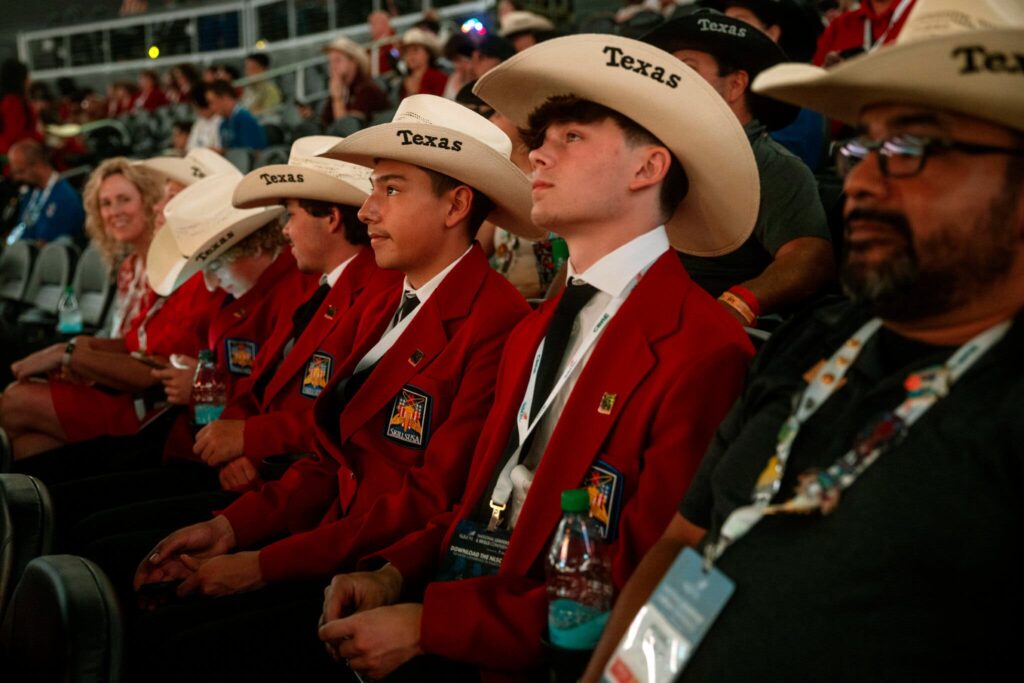 First place was the only place that mattered to the Belton team, who wore red blazers with the SkillsUSA logo and 10-gallon hats to the awards ceremony. They had made a pact to only celebrate if they were No. 1. As they waited to hear the finalists, their mood shifted from glee to dread. “All because of the stairs we’re not going to go up there,” Joseph said to Jack.
“Texas,” the announcer said. Belton had taken silver. A flicker of disappointment crossed Carrillo’s face, before he replaced it with a smile. “It’s hard,” he said. “It’s hard to win here.”
You can read the original article at www.nytimes.com