
Touring Auroville

Architect Nipun Prabhakar takes us inside Auroville, India’s experimental township, where architecture, sustainability and utopian ideals are still being tested. Auroville is difficult to describe as a township. There are no obvious streets, few addresses, and for long stretches you navigate by beacons such as water towers, old banyan trees and directions from people you … Read more
How Do You Make A Cob House

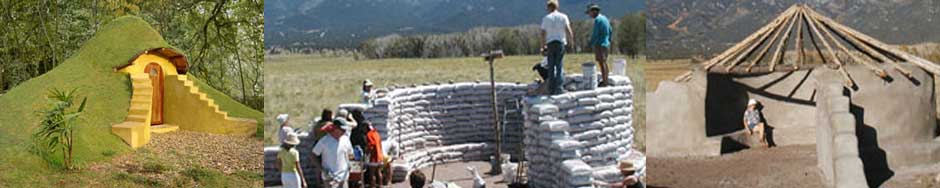
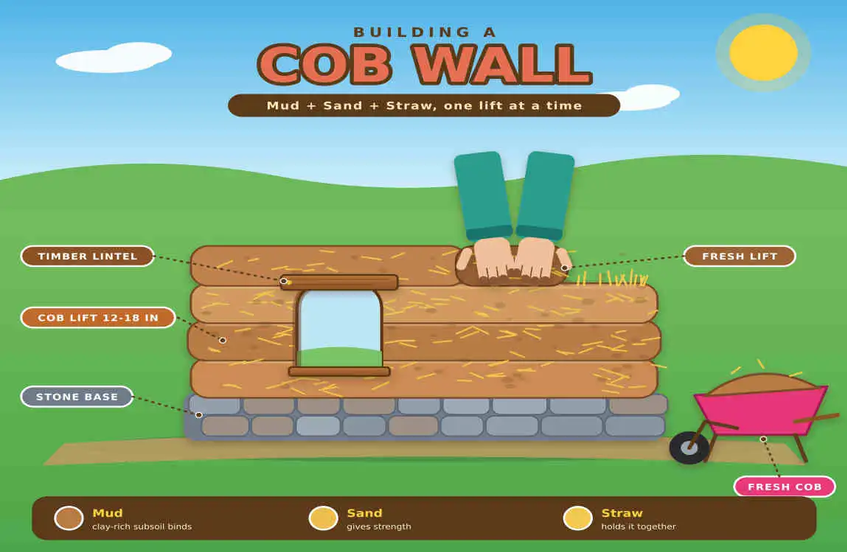
Cob has been used for centuries in England. To make a cob house, you test your soil, build a raised and well-drained foundation, mix clay-rich subsoil with sand, straw and water, then sculpt the walls by hand in layers called lifts. Once the walls are trimmed and the frames and lintels are in, you add … Read more

Handmade Utopia: Back-to-the-Land Architecture in Northern California

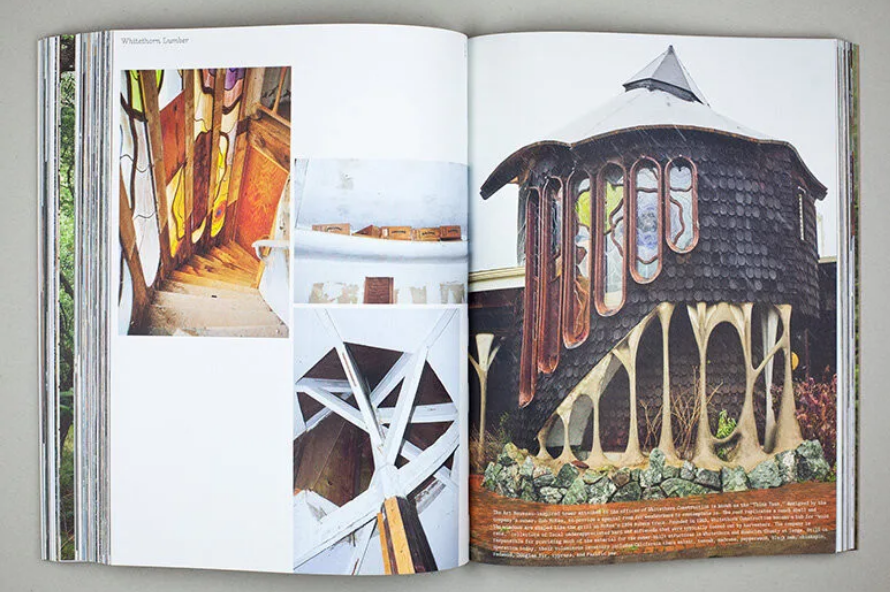
In the late 1960s and 1970s, a significant exodus of young Americans left city life behind, journeying into the wilds of Northern California to construct self-sufficient homes and an entirely different way of living. Handmade Utopia: Back-to-the-Land Architecture in Northern California captures this transformative era through the lens of David Jacob Kramer and photographer Michael Schmelling. … Read more

The 3D Printed “Earthseed Dome“ in San Francisco

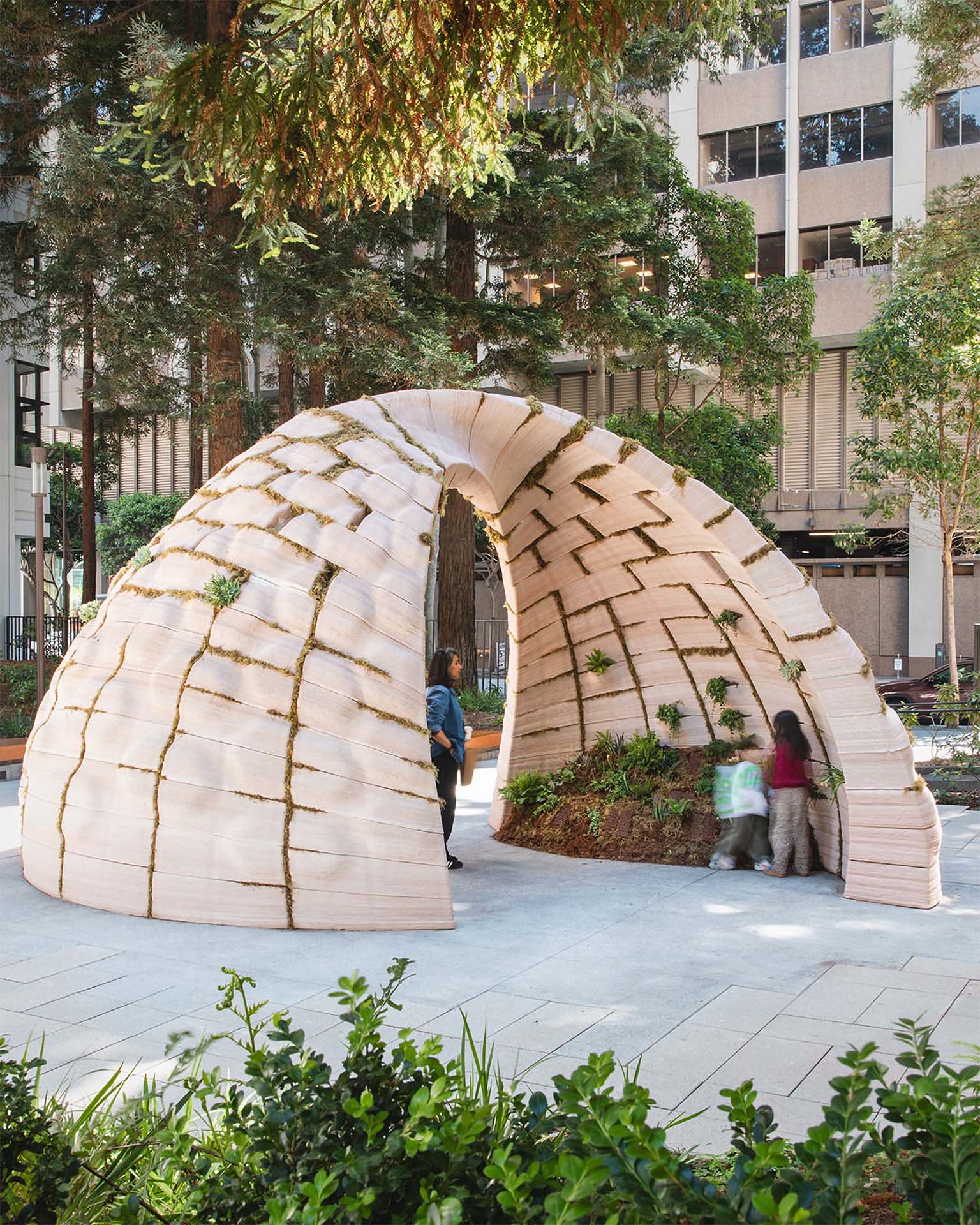
In Transamerica Redwood Park in San Francisco, the “Earthseed Dome“ installation combines large-format 3D printing with natural building materials and local plant ecology. The structure was designed by the botanical artist Lily Wong and presented by Institute of Contemporary Art, San Francisco. Of particular technical interest is the use of robotic extrusion, which was used … Read more

Great Zimbabwe is an Ancient African City

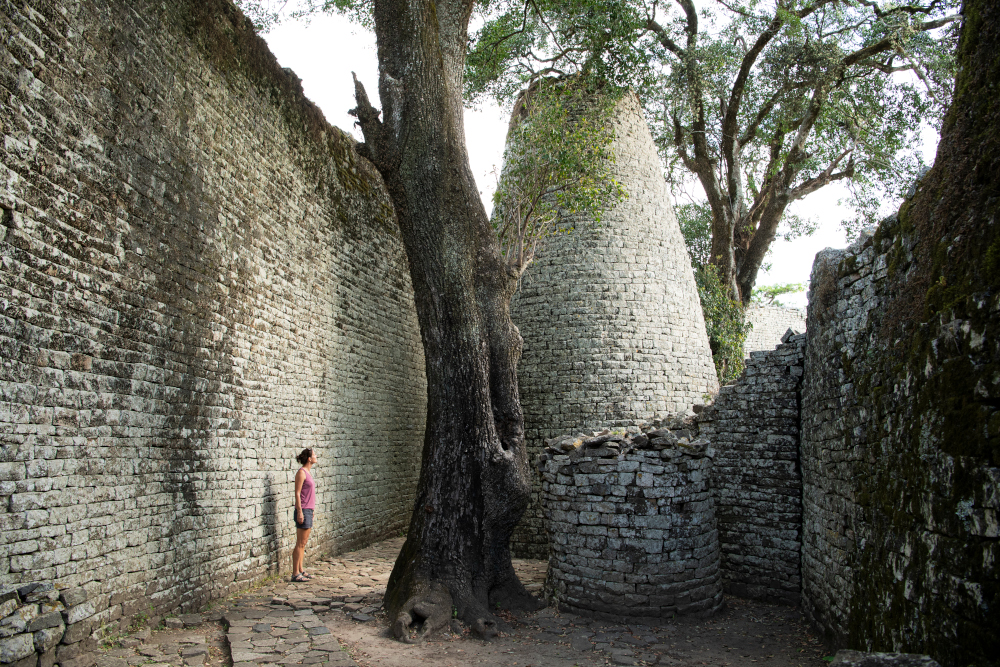
Great Zimbabwe is an extensive Iron Age stone city whose surviving walls are impressive. Built between the eleventh and fifteenth centuries by ancestors of the Shona people, it became the center of a powerful inland kingdom whose name later passed to the modern state of Zimbabwe. Great Zimbabwe occupies gently undulating country in south-eastern Zimbabwe. … Read more

Biochar Helps Lime-Based Building Materials Capture More Carbon While Gaining Strength

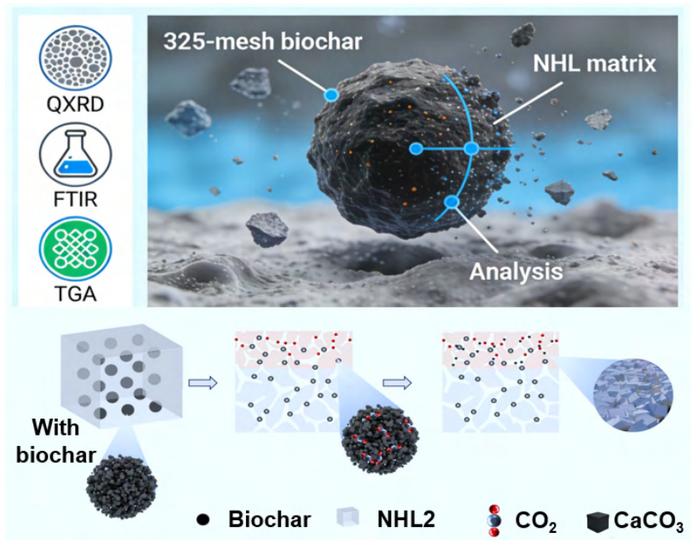
A carefully optimized dose of fine biochar improves both carbon dioxide uptake and compressive strength in natural hydraulic lime, offering a promising low-carbon material for historic building restoration and sustainable construction. Natural hydraulic lime has been used for centuries in masonry and restoration because it is compatible with traditional building materials and can absorb carbon … Read more