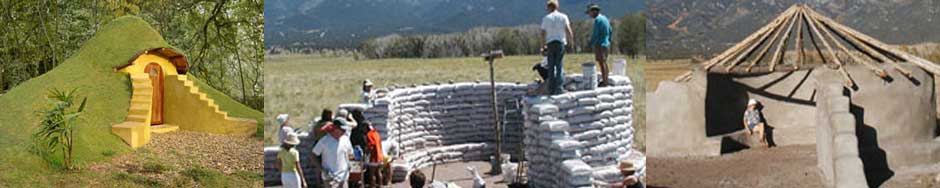
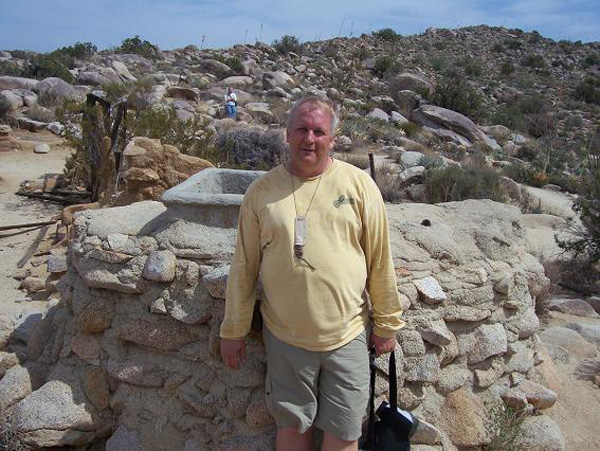
An adequate freshwater supply is a basic necessity. Obtaining water can be especially challenging in deserts. The following photos illustrate a few simple methods for capturing and storing water in arid regions.
natural building
More Earthbag Blogs
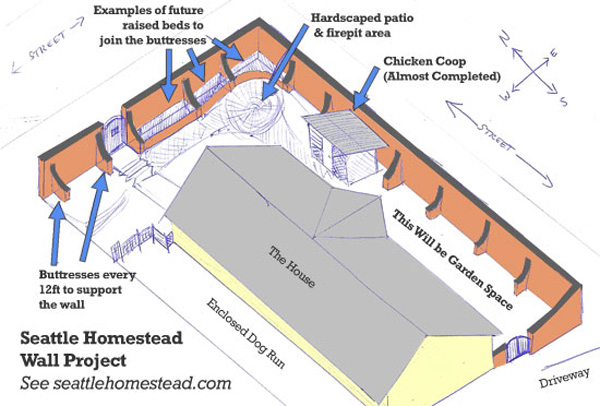
Source: Seattle Homestead — Our Earthbag Wall Workshop & Contest
First Straw Bale House in New Zealand
This home is really nice. Contact Ecobob if you’re looking to buy a straw bale house in New Zealand. Source: Ecobob
David W. Allan’s Solar Home
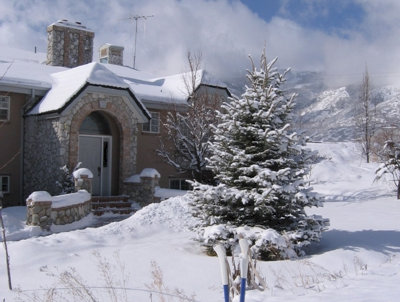
“Located in the cooler central Utah climate at 6,000 foot elevation, the Allan’s solar home integrates at least ten different forms of solar, including: trombe wall, solarium convection, photovoltaic cells, propylene-glycol heat exchange, eutectic salt chamber, berm insulation, black chimneys and under-ground intake for passive solar air conditioning, and dehydration of food.”
Flat Hyperadobe Walls
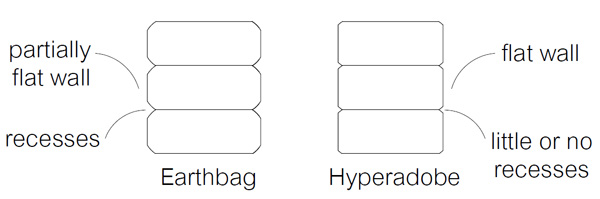
We discussed flattening earthbag walls in a previous blog post: Flattening Walls to Save Plaster
In that blog post (and the following Comments afterwards) I described some of the basics of this technique: tamp the sides of walls after several courses are complete; don’t wait too long or the soil will dry and be difficult to tamp; use enough clay in the mix so the earthbags are malleable; focus on eliminating awkward bulges; don’t tamp the walls completely flat – leave recesses between courses of bags so the plaster has something to grab onto.