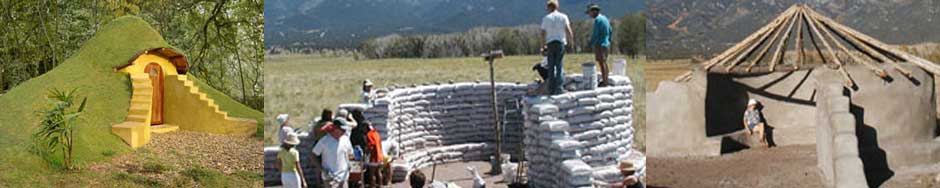
Everybody wants to know how to make houses more beautiful and livable. “William and Rhina do not live in a big home, which is exactly how they like it. But smart design more than makes up for what the house lacks in size.”
Owen Geiger
Larry Hall’s Rain Gutter Grow System
Larry Hall in Minnesota has come up with a very interesting and highly productive gardening system you might want to look into. This gardening system is perfect for renters, tiny house owners, those who travel a lot and can’t oversee the plants except once a week, and those with limited garden space and/or bad soil. If you ever have to move, you can pack up everything in an hour and go.
Proto House Challenge – What do You Think?
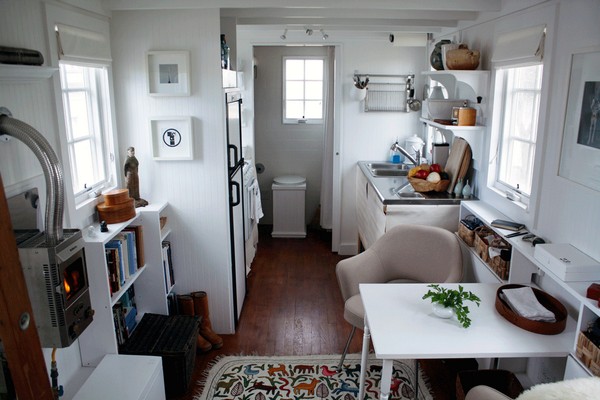
I’m eager to hear what readers think sustainable houses of the future will look like. Please give us your input. In your opinion, what are some exemplary sustainable houses that will guide home design in the future? Key considerations are affordability (hugely important), DIY owner-builder friendly (easy to build), small, space efficient, highly livable, nontoxic, adaptable, renewable energy, extensive use of recycled materials, and of course beautiful and appealing.
Calera Green Cement
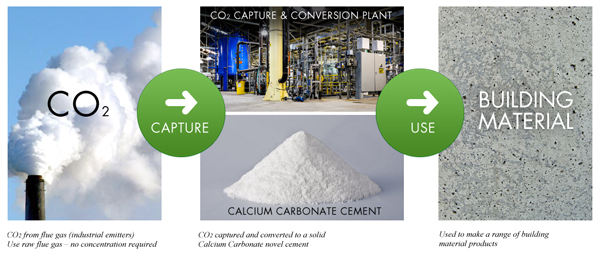
“Calera’s process for CO2 reduction involves the capture of CO2 gas from industrial emitting sources and converting the CO2 into a novel calcium carbonate cement system that’s used to make a variety of valuable products.
Best Small Home 2016
Fine Homebuilding Magazine: “Site constraints and a desire to optimize the view drove the design of this subtle small home.”
Free Land and Cheap Land in the US
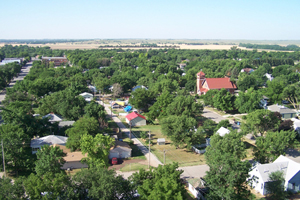
One of the biggest concerns for natural builders is finding affordable land for their homestead or sustainable home. Rural land is often the best solution not only because it’s less expensive than urban land, but also because there are usually fewer building codes. With few or no building codes, it’s possible to build at 1/10th the cost of building in cities if you use recycled materials like pallets and barn wood, and local natural materials such as earth, stone and wood poles.