Lime-ash floors were an economical form of floor construction from the 15th century to the 19th century, for upper floors in parts of England where limestone or chalk were easily available. They were strong, flexible, and offered good heat and sound insulation.
General
Mud Bricks or Pressed Earth Bricks?
There is much information about the generic term Mud bricks, but many people are not aware of the advanced technology and benefits of specifying Pressed Earth Bricks (CEBs) for your building project:
LENR Third Party Report Released
I’ve been reporting on Andrea Rossi’s E-Cat for about 2-3 years because I believe it could very well be the greatest discovery in history. This latest test report from some of Europe’s best laboratories and universities provides a lot of solid evidence. Most LENR projects are government secrets or closely held proprietary knowledge. This report shines a light on what’s really going on: confirmation of nuclear reactions and transmutations without radiation, where a pinch of nickel powder (1 gram) produces energy equivalent to 50 gallons of gasoline. Elforsk, the Swedish electricity company’s research and development organization, co-funded the report.
The Small Adobe House
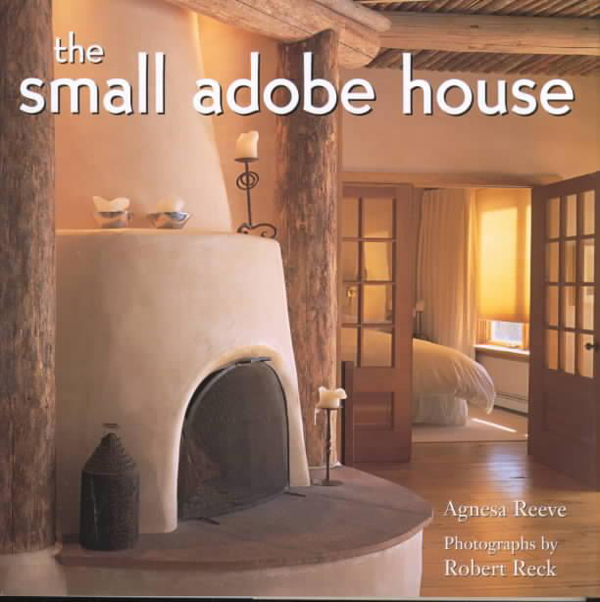
“Introducing the traditional ins and outs of each architectural element—roofs and ceilings, doors, windows, floors, walls, and portals–The Small Adobe House is both an introduction to adobe structures and an idea book for people who want to remodel a classic home or build a new one.
Tiny House Rentals
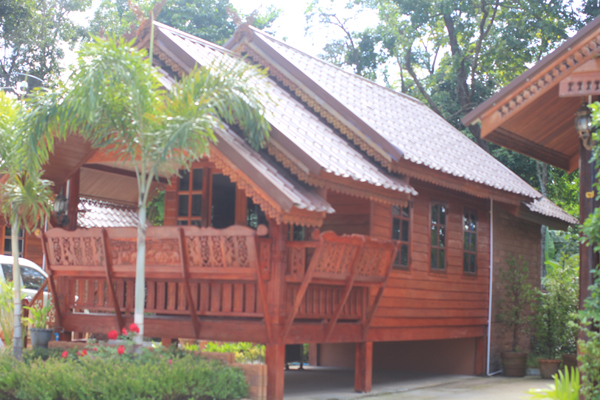
Here’s an interesting small business idea – renting pre-made wooden tiny houses. Units like these are often built in large sections for ease of transport and assembled onsite.
Seacrete/Seament/Biorock Building Components
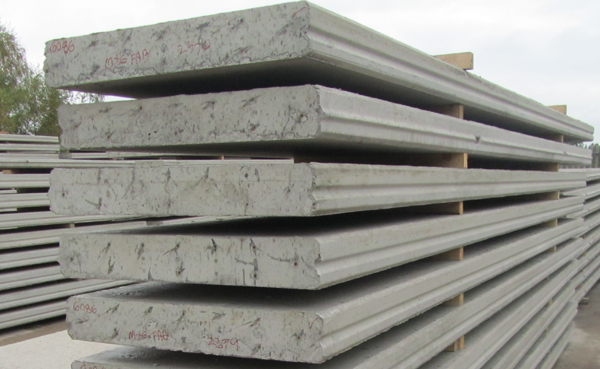
Yesterday’s blog post introduced the topic of seacrete, also called seament and biorock. Today we’ll briefly look at just a few building components that a do-it-yourselfer could make for very low cost if they live near the sea. Yes, this takes a bit of work, but remember the materials are extremely cheap and the end result is stronger than concrete.