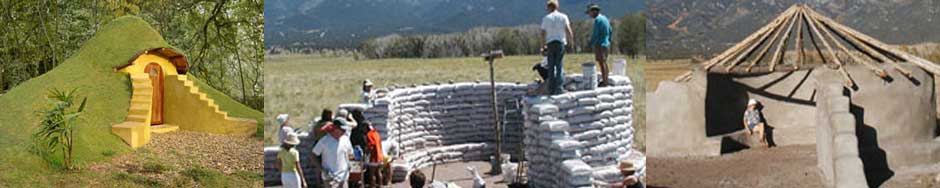
I’m currently building an 8’x20′ hoop house in our forest garden. Oh how I wish I’d used a kit that pops together like the one in this video. More news coming soon. We’re going to use our hoop house for growing vegetables, but of course they could be used for all sorts of other purposes such as a shop and housing.
Landscaping
Korean Natural Farming with IMO – Indigenous Microorganisms
Adding IMO (indigenous microorganisms) to gardens is one of the most important steps to gardening success. Drake, the speaker in the video, talks about how his neighbor who’s been an organic gardener for 40 years and has good soil suddenly doubled the size of his vegetable starts by adding IMO. His recommendation is to propagate trillions and trillions of the ‘good guys’ (desirable organisms from your area) and spread them throughout your garden and fields so they can fend off pests and boost plant growth.
Man single-handedly plants forest in N China desert
“A man has planted over 200 hectares of trees in a north China desert over the past 30 years to halt encroaching sand from a nearby desert.”
Curtis Stone’s Urban Farm Tour
We featured Curtis Stone’s urban farming method a few weeks ago — How to Make $100,000 Farming 1/2 Acre You Don’t Own. This farming/gardening method had a big impact on me and readers of this blog, so I thought I’d show this video of his urban farm. It’s very impressive. Most farmers don’t make six figure incomes on half or third of an acre.
Back to Eden Success! Fast Permaculture Soil with Woodchips
“In this video I show you the progress of my 1 year old back to eden garden area! As well as which types of chips break down fastest.”
Sepp Holzer’s Mountain Permaculture Farm
“Sepp Holzer’s son Josef walks us through his family farm called the Krameterhof. Fish ponds, productive terraces, fruit trees and grazing animals characterize the lush landscape in one of Europe’s oldest and most well established permaculture farms.”