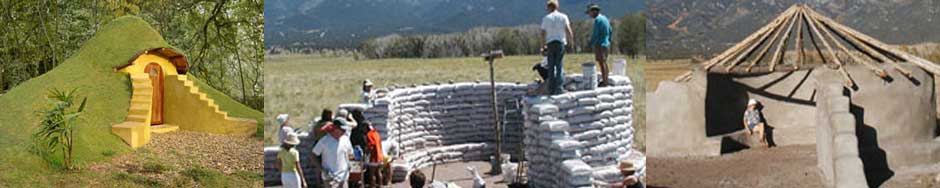
“John from Growing Your Greens.com interviews Curtis Stone, an Urban Farmer who makes $100,000 a year. Curtis farms in Kelowna, British Columbia, Canada on a total of 1/3 acres, most of which he does not own.
Landscaping
Rainwater swale, water weirs and culvert cistern – Desert Permaculture
“Update to my rainwater fruit tree project where I use some permaculture techniques to water my fruit trees. Hopefully you might be able to incorporate something similar on your own home, homestead or urban farm! Thanks for watching:)”
Bean/Vetiver Borders with Compost/Earthworm Trenches
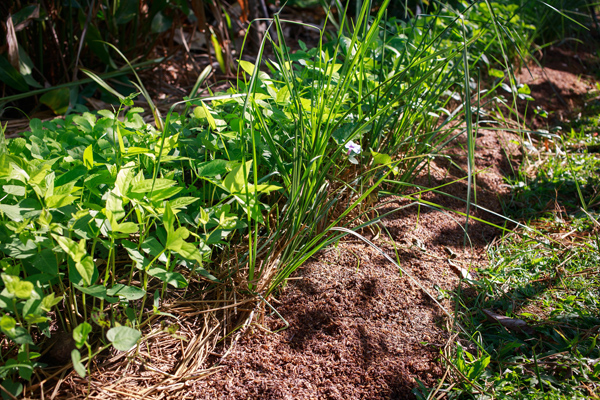
I’m experimenting with a passive compost trench system along the sides of our forest garden beds. The bean borders/compost trenches are primarily for erosion control, building soil, boosting the worm population and suppressing weeds. Secondary benefits include beans for seed and food, attracting pollinators, and benefiting nearby plants with extra nitrogen and water. The bean/vetiver/compost borders also look really good. In a few years the vetiver will grow into 12” clumps and form a continuous hedge, which will provide a continual source of nutrient rich green manure.
Fruit Walls: Urban Farming in the 1600s
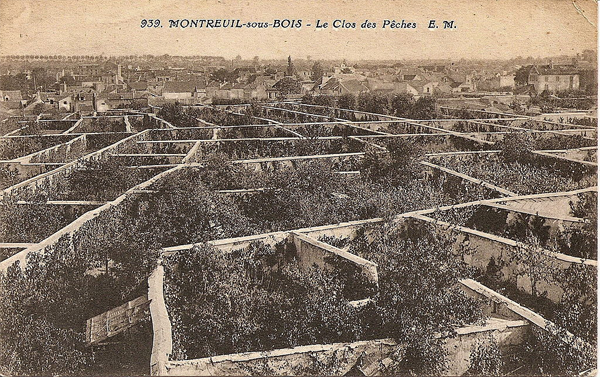
This is an amazing story recommended by Jim, one of our long time readers and supporters. So many things such as fruit walls are being forgotten due to the prevalence of relatively affordable energy.
“We are being told to eat local and seasonal food, either because other crops have been transported over long distances, or because they are grown in energy-intensive greenhouses. But it wasn’t always like that. From the sixteenth to the twentieth century, urban farmers grew Mediterranean fruits and vegetables as far north as England and the Netherlands, using only renewable energy.
Underground Greenhouse – Bozeman Montana
“This is a partially underground greenhouse we use at Saddle Peak Farm & Vineyard to start, grow, overwinter, and propagate plants. This year we have tomatoes using the extra summer space, hoping they last until December. In this update, I show them off, as well as some dwarf citrus trees, water plants, and carnivorous plants (Venus Fly Traps and Pitcher plants). Enjoy!”
Permaculture Food Forest in New Zealand
“The Guytons started planting their food forest in 1998 on two acres of bare land in Riverton, New Zealand. This style of gardening was new to Southland so their neighbours did not approve. Now it is an established food forest with hundreds (460!) of different plant species. Fruit and nut trees, berries and herbs and wild plants all blended together in a productive and sustainable way. This short video introduces concepts of permaculture.”