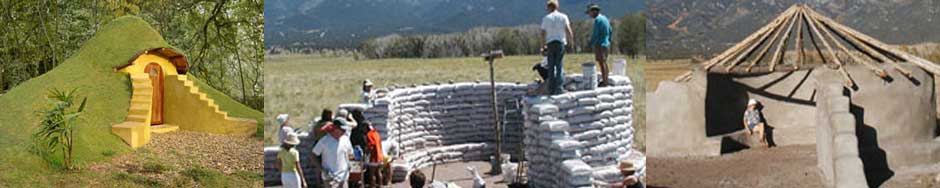
As I’ve been saying repeatedly, most of the ideas for tiny houses apply to building small DIY homes out of natural materials such as earthbags, straw bales, etc. Tiny houses and small homes in general share much in common, and therefore it’s very much worth the time and effort to learn about what’s going on in both types of housing movements. With that in mind I’ve compiled notes of some important concepts that were covered in the recent Tiny House Summit.
natural building
Best, Must See Video from the 2017 Tiny House Summit
Brad Kittel from Pure Salvage Living.com and Tiny Texas Houses just blew me away with what was to me, beyond doubt, the best video from the 2017 Tiny House Summit. The hour long video actually gave me goose bumps. As I was watching I kept saying things like “slam dunk, slam dunk” as Brad eloquently explained his salvage tiny house solution to solve the web of problems facing our world today -– homelessness/ lack of affordable housing, unemployment, lack of decent paying jobs and job training, environmental degradation, lack of community, respect for elders and future generations, health problems from ‘sick housing syndrome’ and more.
Natural Building Slideshare
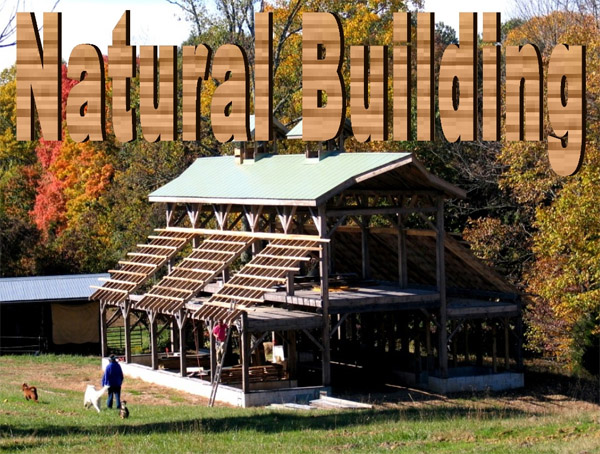
92 beautiful natural building images for free. Click the link below to visit the slideshow.
Tiny House Tech Program Proposal
All the great videos being presented at the Tiny House Summit have really fired my imagination. One of these videos by Saul Rip Hansen was about tiny house high school shop classes. I think this is a great idea. Shop classes in high school played a key role in my career as a woodworker and contractor, and I can see where the right program would be very beneficial.
Ontario Natural Building Coalition
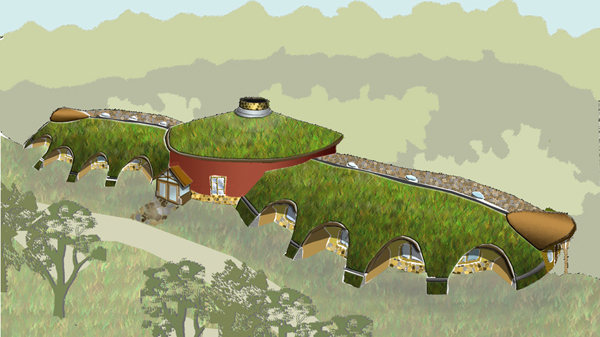
“Do you desire to build your own home one day? Here is your opportunity to get started in an action-packed 1 day primer on what to consider to create and DESIGN your dream home, naturally – offered by Eco-Architect, Ingrid Cryns, of Soma Earth.”
Best Places to Live with Minimal Building Codes: Lewis County, TN
I’ve been doing a series of articles recently on the best places to live in North America that have few or no building codes. I’m asking readers to send us their recommendations. Today’s article is the fifth installment of the series. I suggest moving to an area with minimal building codes to greatly reduce the cost of construction as well as escape many of the problems in urban areas such as high taxes and crime. For more on this topic, see Counties with Few or No Building Codes