After a little over three years I’m very happy to say our tropical forest garden is finished. The hard work of raising the garden beds 12” with about 60 dump truck loads of amendments is done. The trees are well established and many are starting to produce fruit. Many smaller plants such as pineapple, taro, vegetables and herbs are thriving. The beds are mulched with straw. The soil is rapidly improving by evidence of worm mounds (worm castings) popping up everywhere. The greenhouse is finished. Extra planters and CEB beds have been added to fill in extra space and increase plant diversity. Our first large batch of homemade compost turned out great. Eight wire mesh cages are full of leaves to make leaf mold compost. And, a special ‘wild area’ has been created along the drainage ditch for bees, birds, butterflies and other wildlife to honor and show thanks to Nature.
permaculture
Farm Hand’s Companion
Farm Hand’s Companion is an online companion to self-sufficient farms and homesteads. It’s sort of like an old time Mother Earth News with loads of low cost, low tech, alternative/natural building, homesteading and simple living ideas.
How to Turn $300 of Materials into $6,000 Compost
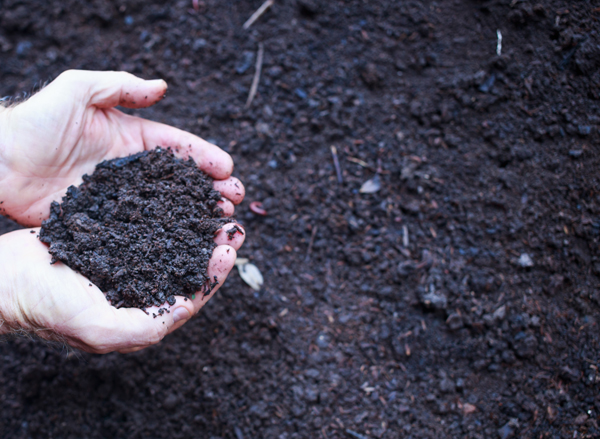
We’ve been doing sheet mulching or lasagna gardening to build topsoil in our forest garden. Over a period of three years we’ve gradually added layers of rice hulls, manure, straw, leaves, sugar cane compost, etc. to raise our forest garden beds about 12” above the paths. Sheet mulching has worked superbly for us in our tropical climate. Just don’t make the layers too thick. In colder climates, let sheet mulch layers break down over winter.
Regenerative Agriculture: Beyond Organic
You hear the term regenerative agriculture more and more these days. What does it mean? “Regenerative agriculture is a sub-sector practice of organic farming designed to build soil health or to regenerate unhealthy soils. The practices associated with regenerative agriculture are those identified with other approaches to organic farming, including maintaining a high percentage of organic matter in soils, minimum tillage, biodiversity, composting, mulching, crop rotation, cover crops, and green manures.
$300 Underground Greenhouse Grows Food Year Round
“From vertical farms to solar-powered “farms from a box,” we’ve seen how farming technology has grown leaps and bounds in recent years. But for those who prefer something a little more rustic, growing food from a hole in the ground is as low-tech as you can get. A walipini, meaning “place of warmth” from the … Read more
Be the Change You Want to See – What this Blog is Really About
Over the years we’ve profiled thousands of affordable and sustainable housing ideas that include affordable homes made with natural building materials, earthquake and hurricane resistant housing, renewable energy, appropriate technology, permaculture, and on and on. In fact, we’ve covered almost the whole range of homesteading and sustainable living topics in addition to our main focus on natural building. We’ve done this because all these things are so closely interconnected. How can you have a sustainable home without a sustainable toilet, a renewable energy system and home garden? How can you build a sustainable home without affordable land? Most affordable land nowadays has depleted soil, so how do you improve degraded land to support a homestead?