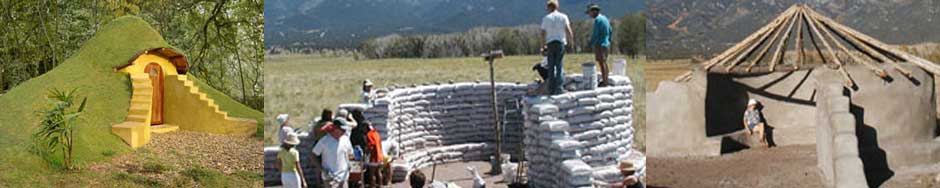
When buying land, natural builders are faced with one of their biggest challenges trying to decide: what area is best?, how much to spend?, what will I need?, what about codes? It helps to hear firsthand advice from people actually living off-grid like the couple in this video.
permaculture
A Simpler Way: Crisis as Opportunity (2016) – Full Documentary
This excellent video covers many aspects of simple living, natural building, tiny houses, communal living and permaculture. I think you’ll really like it. Please share this video with friends.
Larry Hall’s Rain Gutter Grow System
Larry Hall in Minnesota has come up with a very interesting and highly productive gardening system you might want to look into. This gardening system is perfect for renters, tiny house owners, those who travel a lot and can’t oversee the plants except once a week, and those with limited garden space and/or bad soil. If you ever have to move, you can pack up everything in an hour and go.
Restoring Degraded Land: Growing Crops on Bedrock
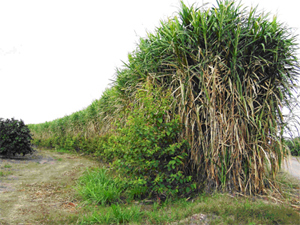
This blog post is part of an ongoing series on how to restore degraded land. Good land is hard to come by and often not affordable unless you’re rich. The facts presented here are from the video Building Soil with Clive. His farm in Hawaii was scraped bare with a bulldozer down to bedrock not once, not twice, but three times before he started leasing it. The thought of farming land like this seems hopeless, right? But over the last 18 years Clive has built up 3”- 4” of topsoil on bedrock using the techniques he describes in his video, which are summarized here. He feels his main job is creating good habitat and taking care of the organisms in the soil using primarily mulch and cover crops. It’s interesting to note that he never seems to find time to make IMOs (indigenous microorganisms). Instead, his focus is on creating massive quantities of organic matter to build soil. The results speak for themselves.
Badgersett: Woody Agriculture Research and Development
Badgersett is one of the largest forest gardens in the US. “With roots going back to 1978, Badgersett Research Corporation works on bringing “Woody Agriculture” into the mainstream world of full scale staple food production.” In summary, their ideas show how farmers and homesteaders can transition to sustainable agriculture and still make an income.
The Avis’ Permaculture Homestead
“What does permaculture look like in real life? Nestled in southeast Calgary is one of the city’s original thriving permaculture projects – our home!