
Rocky Mountain Institute’s pathways to building with biomass, ASLA’s biodiversity priorities, and Architecture 2030’s resilience frameworks all point to nature-based, locally attuned solutions that strengthen communities while reducing carbon. At the same time, mindful MATERIALS highlights the data infrastructure needed to make these choices measurable and mainstream. Together, these findings signal a shift toward regenerative design grounded in ecological insight, material innovation, and verifiable impact.
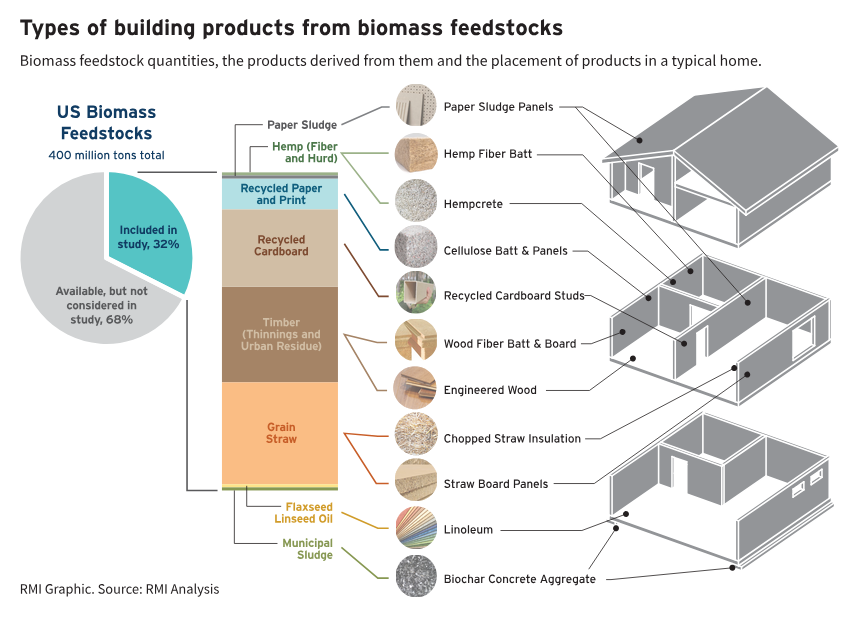
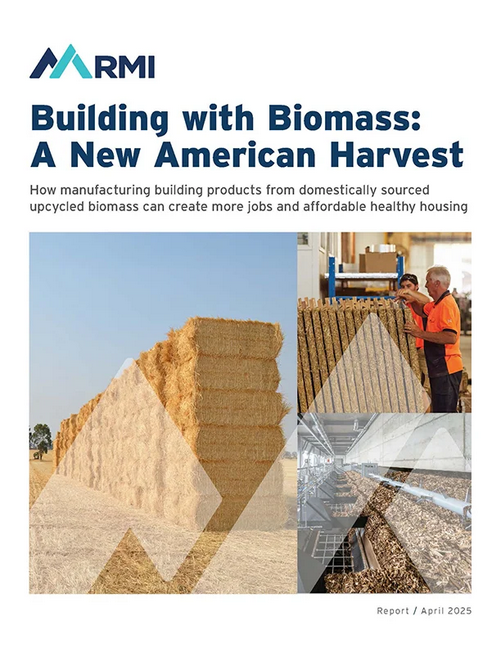 A 2025 report by Rocky Mountain Institute Building with Biomass: A New American Harvest, argues that upcycling plentiful, underutilized biomass—like agricultural straw, corn, timber thinnings, forestry residue, or waste—into building materials can help solve America’s housing crisis, create jobs, and boost domestic manufacturing. The authors write: “Upcycling low-value American biomass into building products made entirely by large manufacturers to meet current construction rates of roughly 1 million homes per year could be associated with an estimated 42,000 direct jobs in clean manufacturing, approximately 310,000 indirect jobs, and over 79 billion in economic activity.”
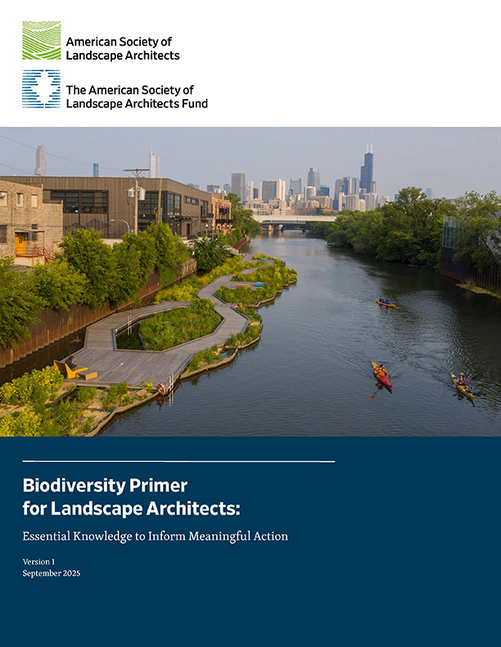 The American Society of Landscape Architects (ASLA) Biodiversity Primer for Landscape Architects is a 27-page guide and call to action that equips designers with foundational science, global targets, and practical guidance to help counter the biodiversity crisis. It outlines core priorities and demonstrates how to embed ecological thinking at any project scale, helping landscapes support diverse species, resilient ecosystems, and a healthier planet. “Despite a renewed global effort to protect biodiversity, we still see a decline in global species,” the report states.”
 mindful MATERIALS’ 2025 Data Ecosystem Report presents a vision for a connected, industry-wide infrastructure—built around the Common Materials Framework—that standardizes, digitizes, and links sustainability data for building materials across manufacturers, architects, contractors, owners, and certification tools. The report argues current material data is often fragmented, inconsistent, and unverified, making sustainable product decisions difficult. In contrast, the Data Ecosystem enables seamless data flow, automated vetting, easier comparisons, and streamlined reporting—saving time, money, and energy while improving transparency and credibility.
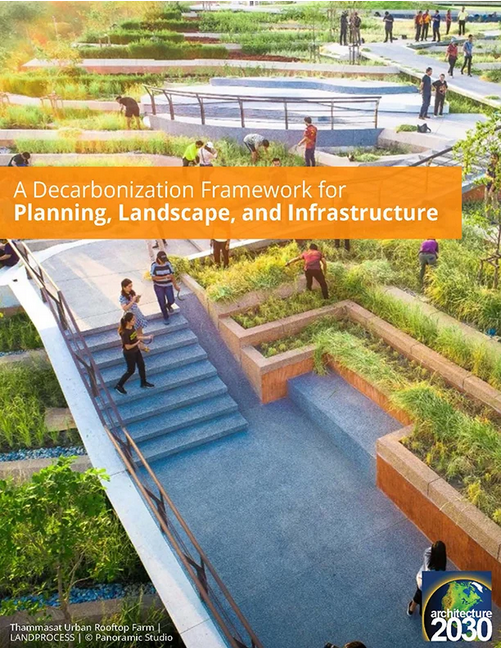 In this 2024 report from Architecture 2030, the authors highlight how climate-resilient planning requires tailoring policies, buildings, and infrastructure to address local hazards such as flooding, wildfires, and extreme heat, while also considering how these conditions are expected to intensify with warming temperatures. The report argues that embedding resilience in zoning and building codes reduces emissions associated with rebuilding, protects communities, and promotes sustainable growth. “Nature based systems tend to be more durable than modern solutions, making them ideal for climate resilience. For instance, mangrove forests and permeable surfaces can mitigate the impacts of sea level rise and heavy rainfall while withstanding extreme conditions.”
You can read the original article at metropolismag.com