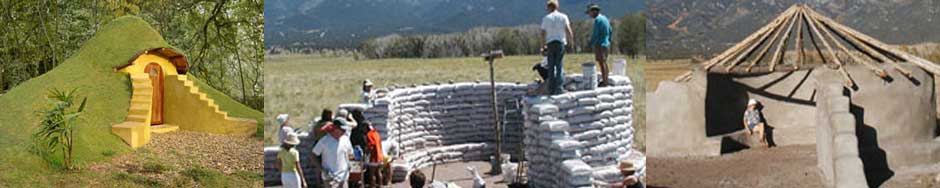
We featured Brett Sutherland’s outstanding tiny house in yesterday’s blog post. Now it seems his beautiful, handcrafted tiny home on a pristine beach near Auckland, New Zealand is in breach of building codes. The problem? The Auckland council claims the land exceeds the housing density limit. But there are 7 acres and obviously plenty of space for his tiny house, with nary a neighbor in sight. Ah, the Council mucks things up once again for those who try to live sustainably.
small home
11 Tiny House Villages Redefining Home
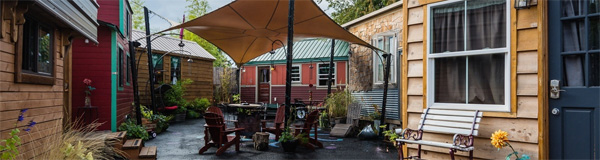
“Tiny house villages are a new part of the tiny house movement, yet they hold a lot of potential to transform lives and communities. The idea behind these villages is straightforward: bring tiny houses together in one place to create communities that share land, time together, skills, support, and other resources.
Off-Grid Prospector-Style Tent: A Tiny House Alternative
“In this video, we give you a tour of a prospector-style, 4-season tent that is completely off-grid. The tent is built with two layers of weather-proof canvas stretched over a wooden frame and is equipped with a double combustion wood stove for heat, a solar panel to power 1 LED light, and a propane fridge … Read more
Hobbit House Tiny House built by Incredible Tiny Homes
“This is one of the most amazing tiny homes I have ever visited. The sale price on the house is $30,000.”
Tiny House Tour at Stunning Waterfront Off-Grid Resort
“In this video we take you on a tour of 2 beautiful off-grid tiny houses at the Domaine Floravie tiny house eco-resort in Rimouski, Québec, Canada. Domaine Floravie has a total of 7 tiny houses located on a stunning piece of land right on the shores of the Saint Lawrence River.
Small? – a documentary about dry cabin life and alternative housing in Fairbanks, Alaska
“Fairbanks, Alaska is one of the coldest cities in the country with winter temperatures frequently reaching -30F. Yet, thousands of people choose to live without many modern conveniences such as running water and indoor bathrooms in modest, non-traditional housing arrangements. Why?”