An 18-day outdoor annual cultural event that combines film, music, folk traditions, and contemporary art takes place in Guangdong Province, China. For this event a temporary coastal space was created capable of accommodating multiple programs, including a theater, stage, exhibition area, and public garden.
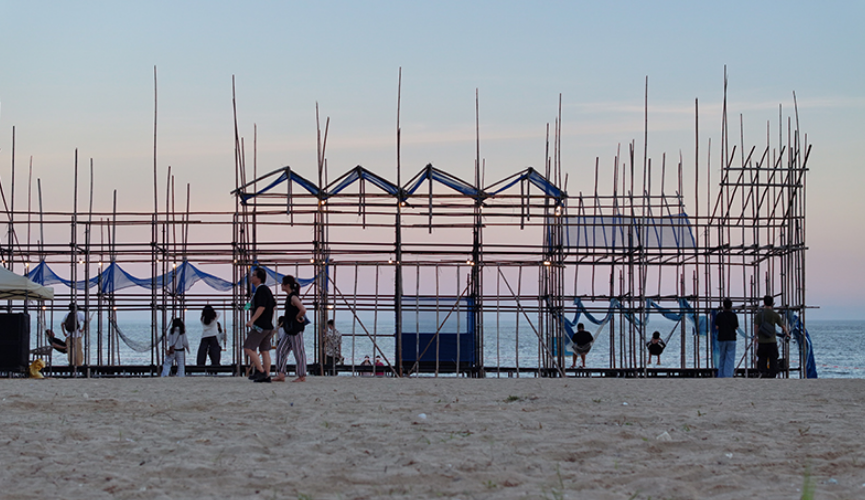 The design team utilized a long-standing local construction method based on temporary bamboo sheds traditionally used for ceremonies such as weddings and funerals. These structures are lightweight, adaptable to coastal climate conditions, and designed for repeated assembly and reuse.
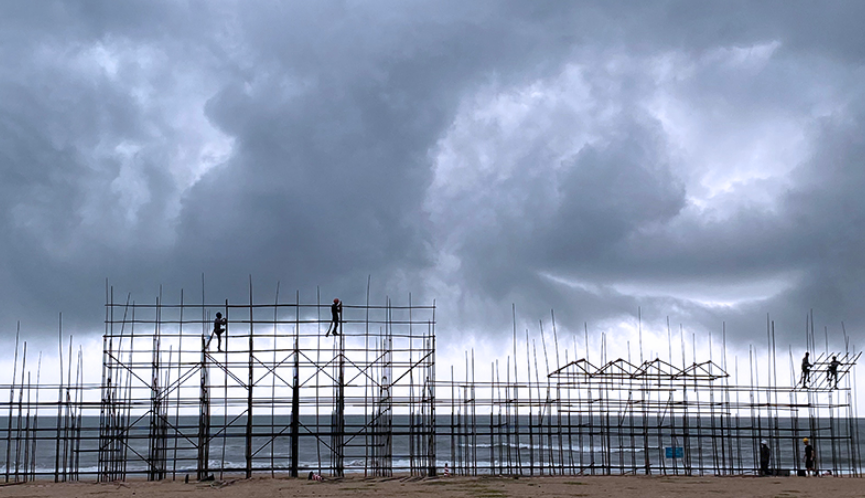 They also featured key spatial and structural characteristics of traditional squatter huts, including elevated stilted construction suited to land–water boundaries, open frameworks, and clustered settlement arrangements.
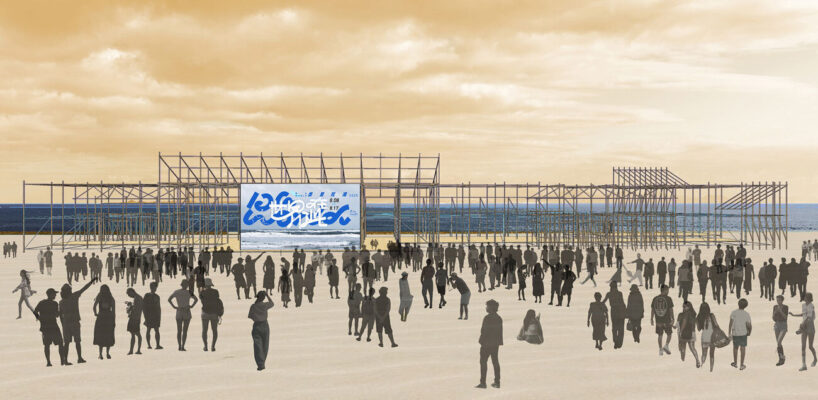 The resulting configuration functions as a temporary public living space rather than a single-purpose venue.
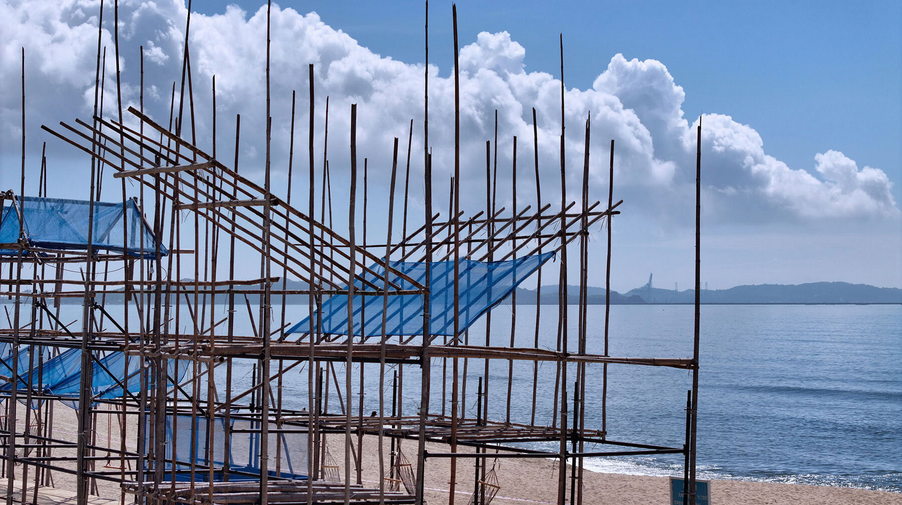 Material reuse was incorporated as a core design strategy from the outset. All bamboo elements were planned for disassembly and collection after the event, allowing them to be reused by local builders for future constructions.
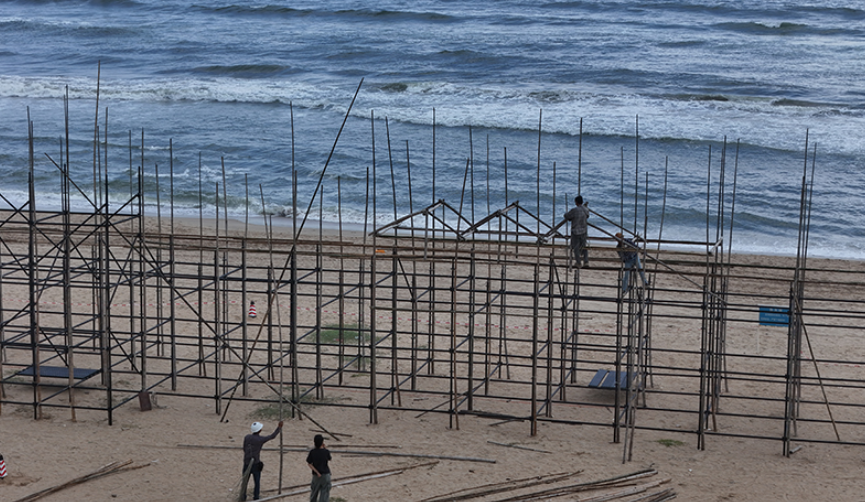 Through its integration of vernacular construction techniques, modular contemporary systems, and collaborative building processes, The Beach Temporary Theater presents a temporary architecture that engages with local practices while accommodating contemporary cultural programming.
You can read the original article at www.designboom.com