Using Prickly Pear Cactus as a Sustainable Materials Component

Researchers from the University of Bath’s Department of Mechanical Engineering have shown that agricultural waste from prickly pear cactus plants could be used as a low-cost, low-carbon reinforcement for construction materials, offering a more sustainable alternative to conventional composites. Composite materials combine strong reinforcing fibers with a lightweight base material, known as a ‘matrix’. Widely … Read more

Scientists Study Oysters to Make Stronger, Faster-Curing Cement

Building upon the chemistry that oysters use in miles-long reefs, scientists have found a way to create cement that is stronger and cures faster. Jonathan Wilker, a professor of chemistry in Purdue University’s College of Science has long been interested in formulating new, more sustainable and better materials. “Our lab studies materials that shellfish make,” Wilker … Read more

Exploring Alternative Earthbag Construction Techniques

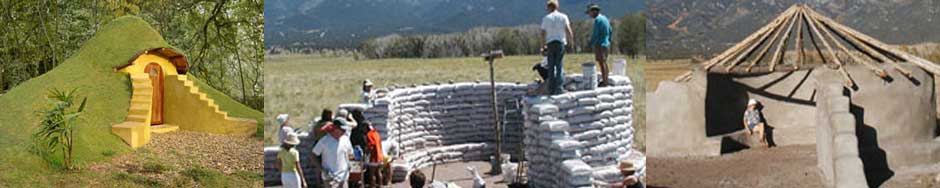
To reduce the reliance of earthbag construction on polypropylene, an environmentally detrimental material, and simultaneously address the urgent issue of fast fashion waste, this research explores the suitability of using earthbag construction to reduce postconsumer clothing waste in landfills. Three approaches to generating new earthbag geometries were explored using sewn domestic craft: alternate modular arrays, … Read more

Modern Rammed Earth

Once dismissed as purely vernacular, rammed earth is now considered a high-performance building material, capable of meeting contemporary structural demands while addressing urgent imperatives of climate resilience, sustainability, and human well-being. This transition is driven by advancements in geotechnical engineering and refinements in stabilization. At its essence, rammed earth is the compaction of a calibrated … Read more

Building a Cabin in the Woods

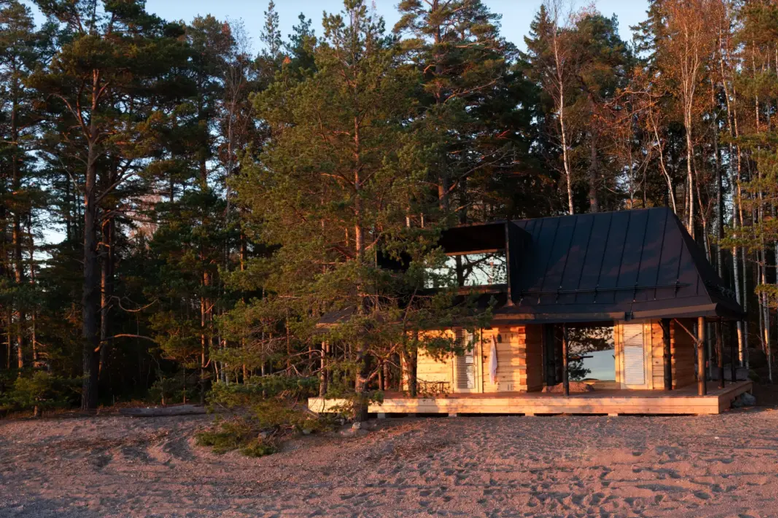
Building a cabin on a volcanic island, with unstable soil, constant humidity, and limited access to resources was quite a challenge for this man. The chosen area had dense vegetation, deep roots, and uneven soil, typical of volcanic regions. Before any construction, it was necessary to completely clear the space, remove natural obstacles, and select trees … Read more

Five Projects Utilizing Rammed Earth

By using local resources and eliminating energy-heavy manufacturing, rammed earth aligns with global decarbonization goals. It has become a preferred choice among forward-thinking people committed to sustainability. Below are five projects utilizing rammed earth in a variety of ways. An Eco-Village in rural São Paulo includes three homes ranging from a 538-square-foot studio to a … Read more