
Engineers at MIT are using recycled plastic to 3D-print construction-grade beams, trusses, and other structural components that could eventually provide lighter, modular, and more sustainable alternatives to conventional wood-based framing. They have printed four long trusses from recycled plastic, assembled them into a conventional plywood-topped floor frame, and evaluated the structure’s load-bearing capabilities. The printed flooring supported more than 4,000 pounds, exceeding essential building criteria. The plastic-printed trusses weigh around 13 pounds each, making them lighter than comparable wood-based trusses, and they can be produced on a large-scale industrial printer in less than 13 minutes.
The team is also working on printing other components and assembling them into a whole frame for a small home. They believe that as global demand for housing surpasses wood supply in the coming years, single-use plastics like water bottles and food containers could be repurposed as recycled framing material, alleviating both a global housing crisis and an overwhelming demand for timber.
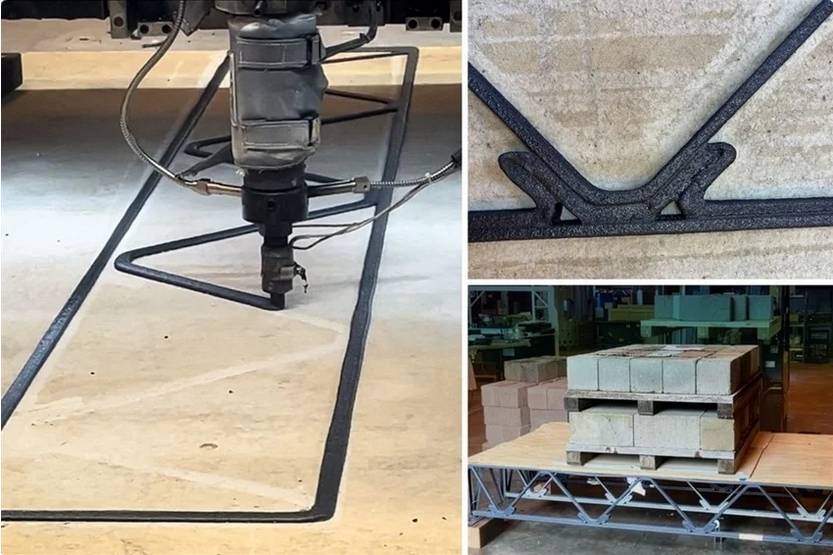
The researchers began by simulating several truss designs and subjecting each to a simulated load-bearing test. Their modeling revealed that one design in particular had the best stiffness-to-weight ratio, making it the most viable pattern for printing and testing. The design is similar to the conventional wood-based floor truss pattern, which resembles a ladder with diagonal, triangular rungs.
You can read the original article at www.azobuild.com