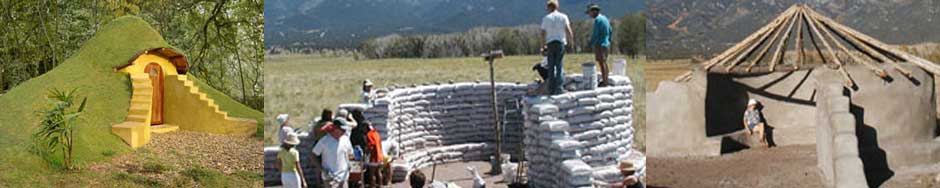
Pros and Cons of Cob Construction

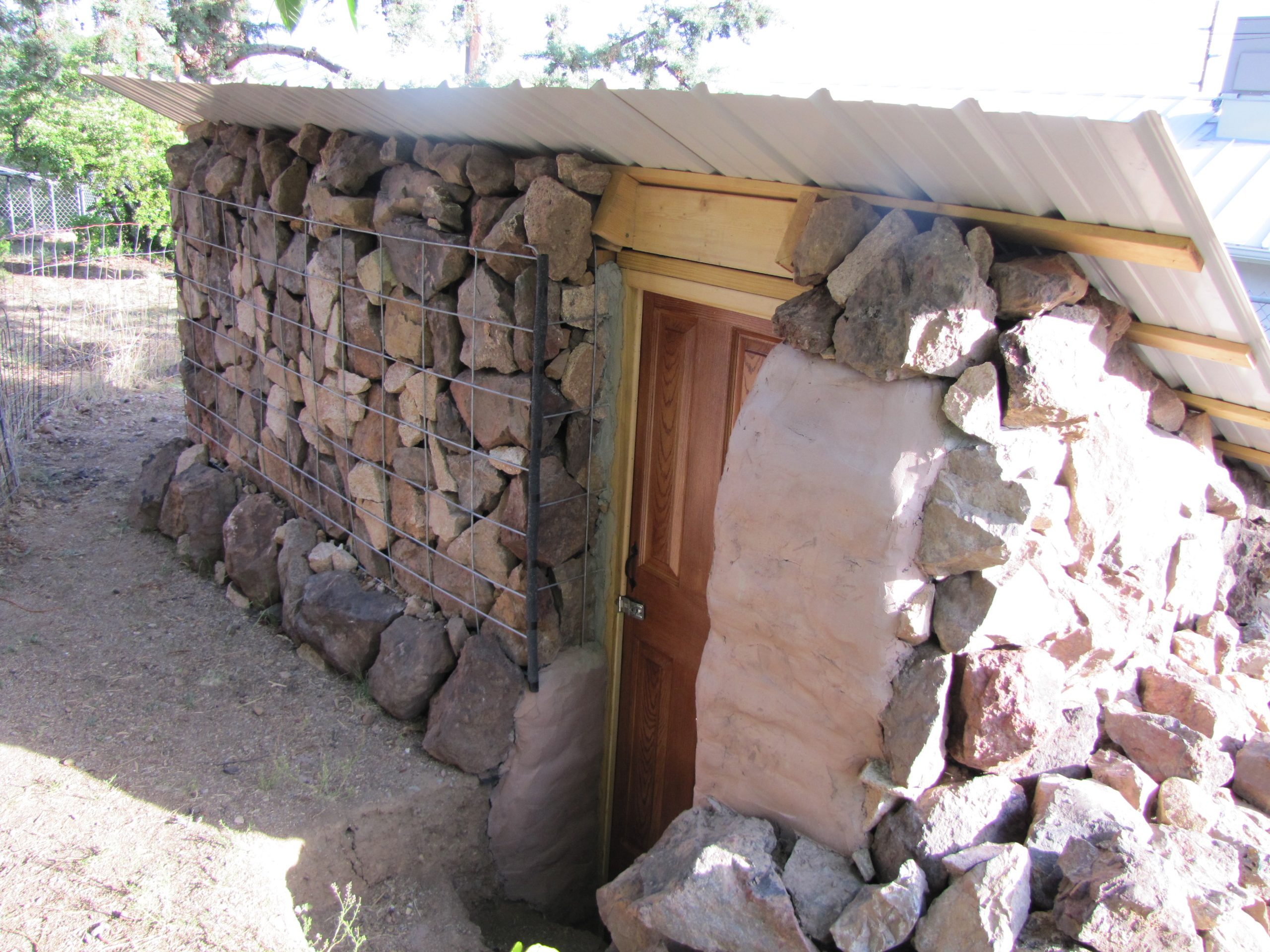
Cob building is a method in which clay, sand, and plant fibers (usually straw) are mixed manually and molded directly in place. Unlike bricks, blocks, or concrete walls, cob doesn’t use forms, doesn’t require molding and allows for the creation of curved walls, niches, arches, built-in benches, round windows, and sculpted details. There are cob … Read more

Woodstock in Belgium

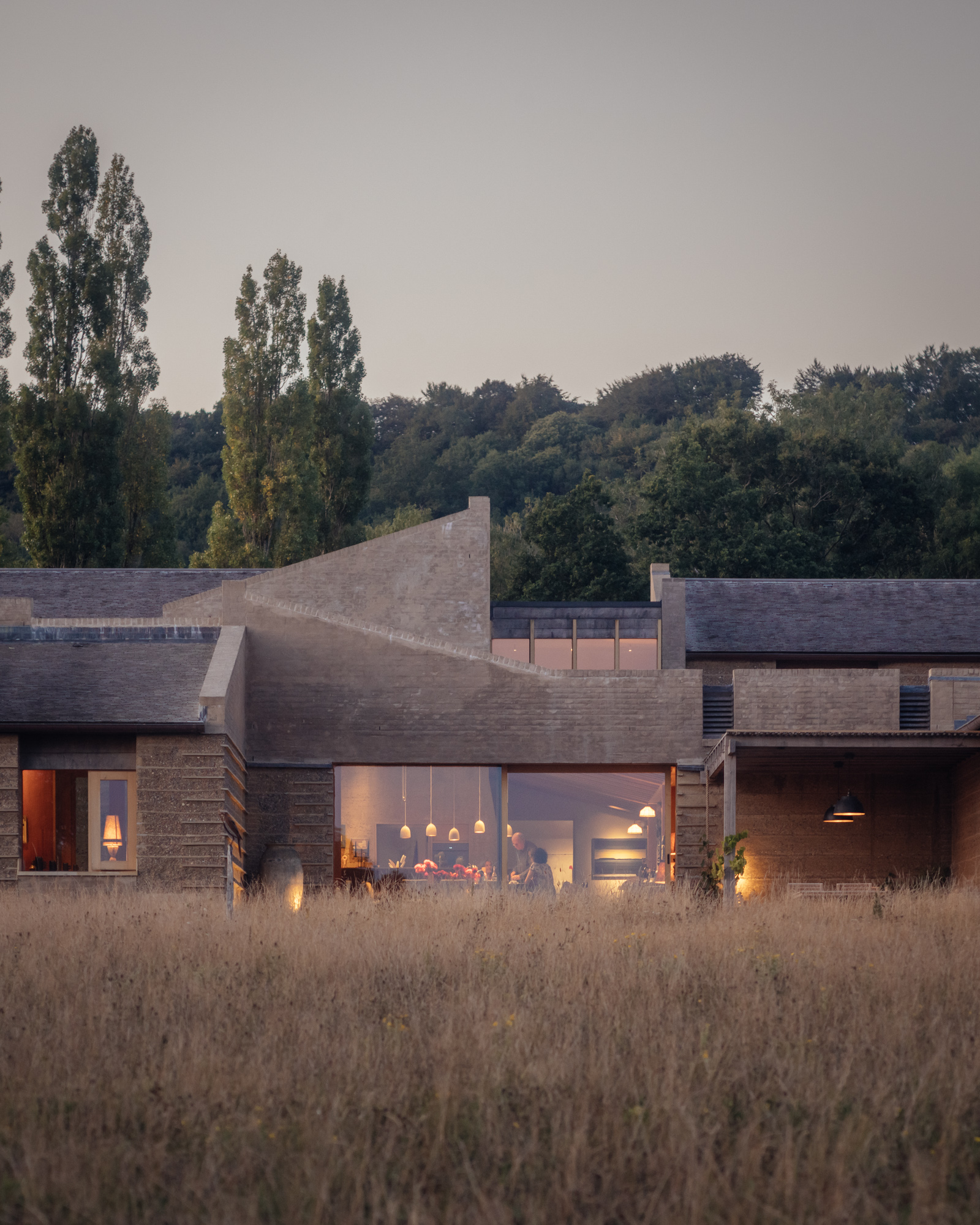
Woodstock is a self-sufficient, private house in Belgium, conceived as a vessel anchored along the riverbank. The project embodies the core principles of architecture as a form of transition within the construction culture towards a regenerative and post-carbon world. The architects say, “We believe systemic change in architecture must be learned through making. Woodstock became … Read more

Storehouses for Life

Barns provide a multi-purpose system of storage built to accommodate living things. Barns are houses for activities that involve humans, but are not built exclusively for them. Barns are storehouses that operate as supply infrastructure for crops. The annual cycle of grain crop production often entails specific rituals or agricultural rites— procedures that entangle human … Read more

A Food Forest in Denmark

When a Danish couple found a small rural property, all they saw was a dead field with exhausted soil, devoid of earthworms, the result of years of monoculture of grains and corn sprayed with pesticides, herbicides, and fungicides.  So they began a patient process of building, rebuilding, and regenerating the soil. They started observing the … Read more

Modular Bamboo Housing in Myanmar

Housing NOW is a modular bamboo housing system that provides rapid, affordable homes in Myanmar’s conflict- and disaster-affected regions. They use small-diameter bamboo bundled into structural frames that interlock to form the backbone of each house. This method uses abundant, low-value bamboo culms from local sources and transforms them into load-bearing construction elements through bundling, … Read more

The Potential for Bamboo in Nepal

Despite contributing nearly 1 percent to Nepal’s GDP, bamboo remains largely under-utilized. Traditional uses, including scaffolding, weaving, handicrafts and household items, dominate the current market. Bamboo’s optimal use depends on species and maturity, where shoots under three weeks are best for consumption, three weeks to one year for weaving, one to three years for small … Read more