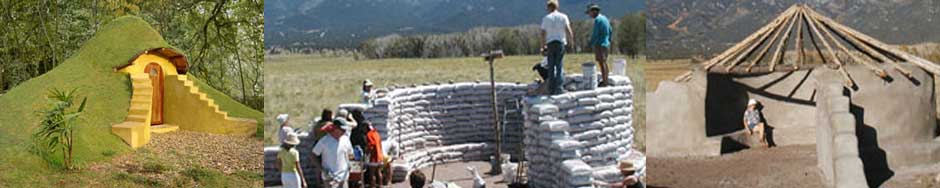
“After my senior year of high school, I was living in Tanzania and noticed traditional building techniques were being replaced by foreign techniques that didn’t fit into the environment,” Ayodele Washington says. “So I learned about the traditional architecture of the Maasai house, which is basically a mud hut. They have been used for hundreds of years by the Maasai tribes of northern Tanzania and southern Kenya. I wrote about that experience for my application essay for the New York Tech Honors College because my interests lie in sustainable buildings.”
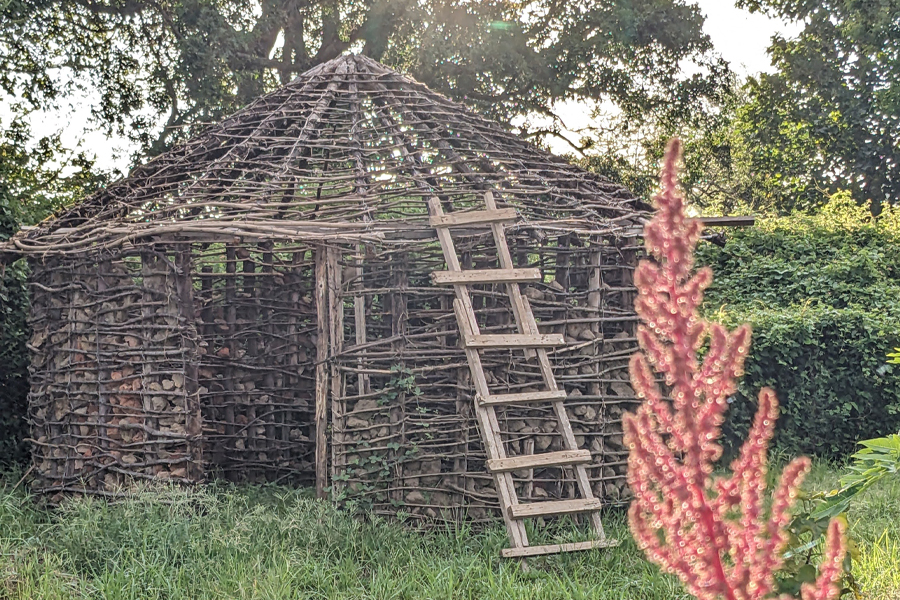 As part of the construction experience on her family’s land in Tanzania, Washington learned about the Maasai house’s sustainable aspects. The building materials—including tree limbs, sisal fiber, stones, and mud—are local and easy to find, and the outer mud layer provides temperature control without needing electricity. When properly maintained, the buildings are remarkably sturdy, and as a professional architect, Washington intends to design environmentally conscious buildings that endure.
 “In my career, I want to design and develop buildings that are sustainable and better not only for humans but also for the Earth,” says Washington. “I want to preserve traditional building techniques and try to limit the impacts of climate change.”
During the past academic year, she led a day-long architecture class for middle and high school students in Tanzania as one of her Honors College volunteer requirements. She partnered with the United African Alliance Community Center to set up the Zoom class to introduce the students to architecture as a possible career path.
Washington says she has found support for this broader way of thinking both from professors and from the university as a whole, particularly in the Honors College. “The Honors College has helped me to broaden my perspective on the part I can play and the part my career can play in terms of United Nations goals [for sustainability],” says Washington, who wants to be an architect and developer in East Africa after she graduates. “It has helped me think about humanity’s relationship to things outside of architecture, like our relationship with water. That will help with my designs later on.
“My biggest goal is to bridge the gap between sustainability, modern ideals, and traditional architecture to create spaces that honor the earth and the people who live in the area, spaces that aren’t dictated by foreign ideals but instead are dictated by local ideals and are comforting to the people who live there.”
You can read the original aarticle at www.nyit.edu