At a recent symposium, Bakar Labs for Energy and Materials convened experts from industry, academia and government to discuss the true carbon cost of construction. A common thread throughout the symposium was that humanity can rise to the challenge of creating sustainable buildings.
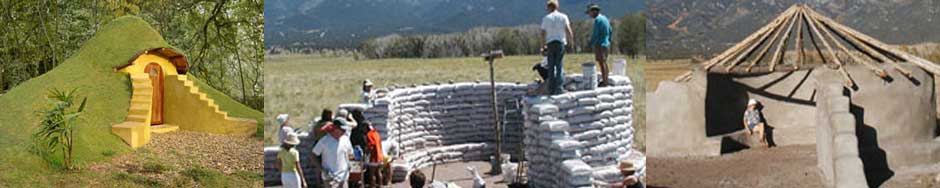
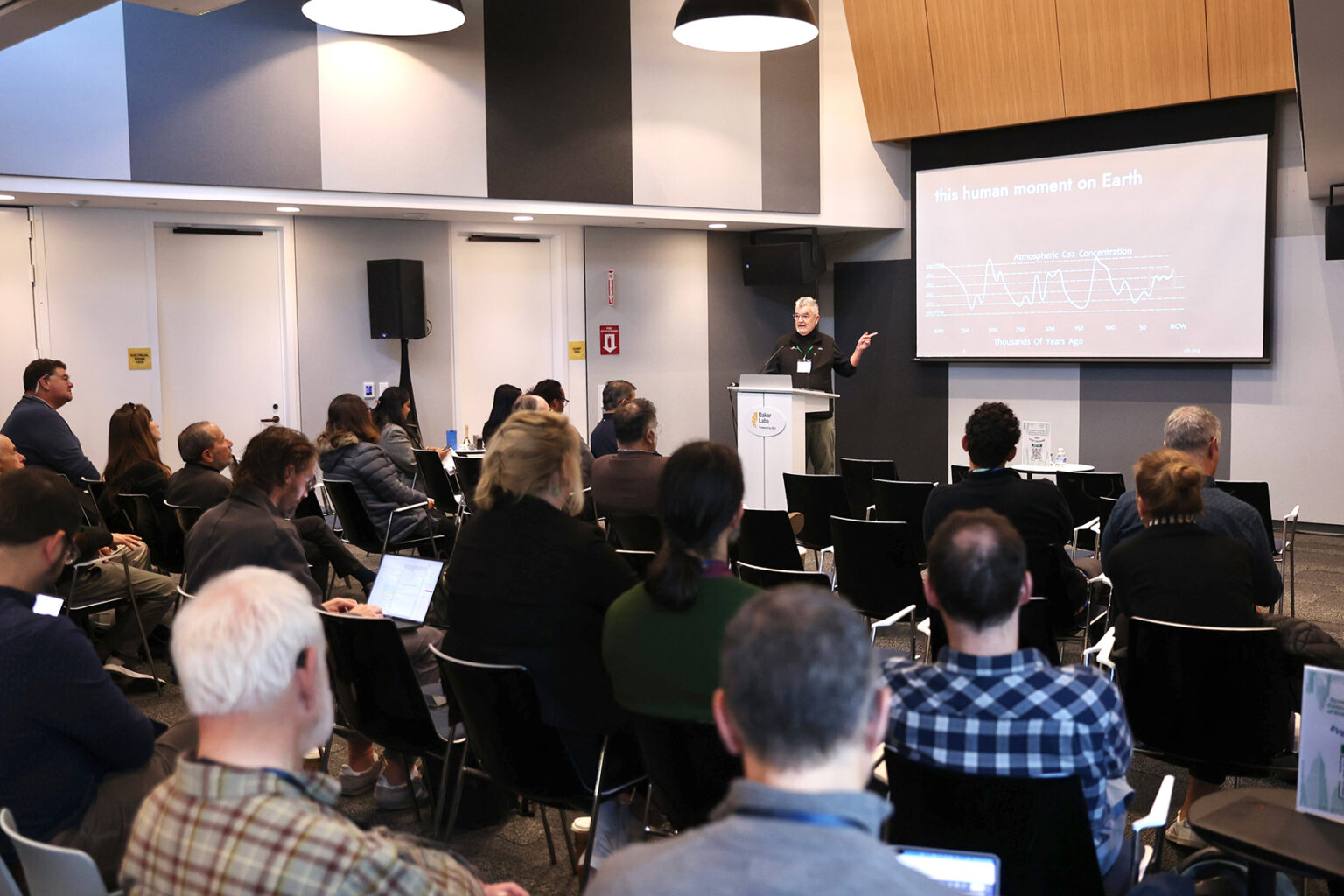
 Bruce King — founder of BuildWell.site, a nonprofit drawing awareness to low-carbon engineering — kicked the day off with a keynote address pointing out that we already have access to alternative low-carbon building materials, such as hay and algae. He also explained that carbon can be harvested from the environment and turned into cement, pulling pollution from the atmosphere. “Lower your carbon footprint, but what’s way more important is to have a big old green handprint in whatever way that you can,” he told the audience.
 Bakar Labs for Energy and Materials tries to foster new approaches to building sustainable infrastructure by helping startups navigate their industries’ complex ecosystems and bring their ideas to market. “Events like this, where we have engineers and government leaders sharing ideas with entrepreneurs and scientists, embody that mission. We’re not just building an incubator, we’re helping build a community.”
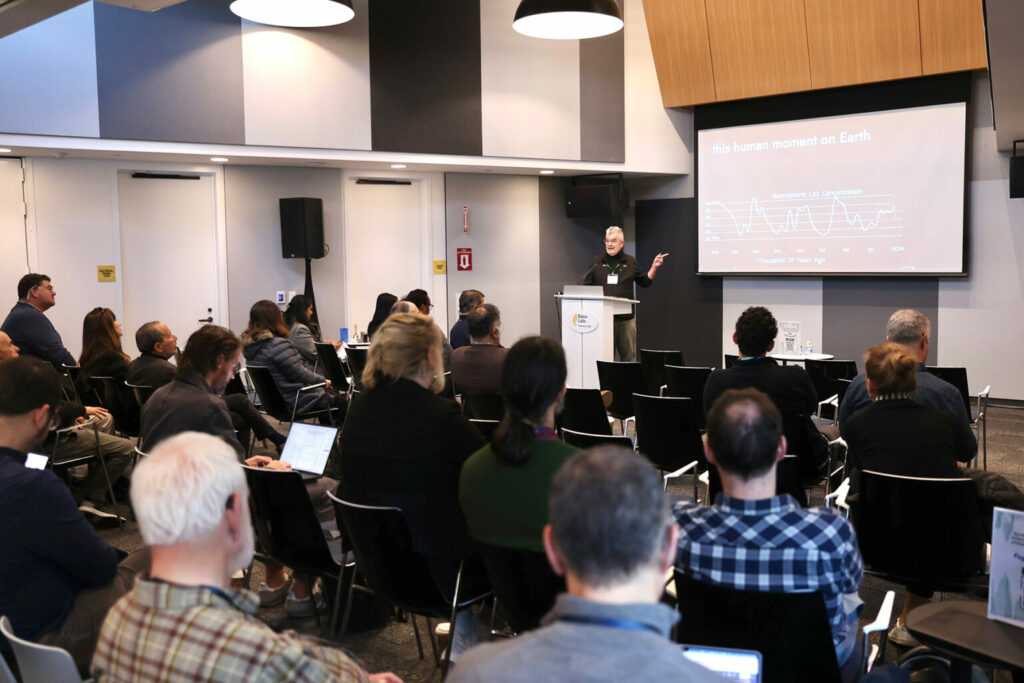
Matt Roberts, a researcher at UC Berkeley’s Center for the Built Environment, presented on the work his team is doing to calculate the carbon cost of a building’s lifecycle. Roberts explained that decarbonizing the construction industry requires collaboration between everyone involved in the building process, including manufacturers, transportation companies, builders and regulators. “The fact that there isn’t a silver bullet is great, because everybody has a role to play in industrial decarbonization,” he said.
 Another theme of the afternoon was the impact of data, modular construction, and financial incentives on the next generation of climate-resilient buildings. Much of that discussion focused on shifting key work offsite before components ever reach a building site. Installing mechanical and electrical systems in advance can dramatically cut costs and make climate-friendly housing more feasible in expensive markets. It can decrease costs tenfold, from $30 thousand per unit down to around $3 thousand.
Carbon accounting is becoming just as central to construction decisions as cost and schedule.
You can read the original article at energy-materials.bakarlabs.org/