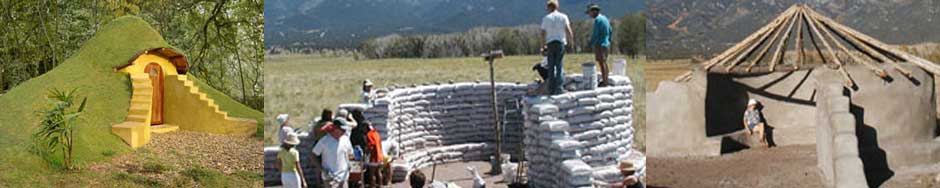
“When I was a boy, all I dreamed about was to live in a cabin in the woods. Everyone told me I couldn’t, wouldn’t, shouldn’t, and squashed my ideas with discouragement. I proved them wrong and followed my own path.”
Owen Geiger
11 Tiny House Villages Redefining Home
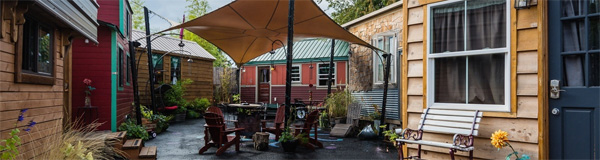
“Tiny house villages are a new part of the tiny house movement, yet they hold a lot of potential to transform lives and communities. The idea behind these villages is straightforward: bring tiny houses together in one place to create communities that share land, time together, skills, support, and other resources.
Zero Cost, Sustainable Earthen Home Hybrid Built in One Week
“Earthen Building, Sustainable Home Hybrid: In this video, Quinn Eaker, Founder and Director of the most sustainable Community in the State www.intotheGardenofEden.com discusses the importance of true sustainability consciousness and how that may apply to building homes.
Mysterious Stone Circles of South Africa
From time to time, just for fun, we cover fascinating stories about ancient structures. I’m intrigued by the work of Michael Tellinger who’s been researching and documenting ancient stone structures in southern Africa. By his estimate the ancient stone circles in southern Africa comprise the largest, most extensive stone archaeological site on the planet. Mainstream archaeologists say this area was sparsely populated with just a few thousand people in ancient times. However, Tellinger estimates that the stone circles number in the millions. So who built these structures that strangely have no doors or entrances and ring like bells?
Manual Straw Bale Press
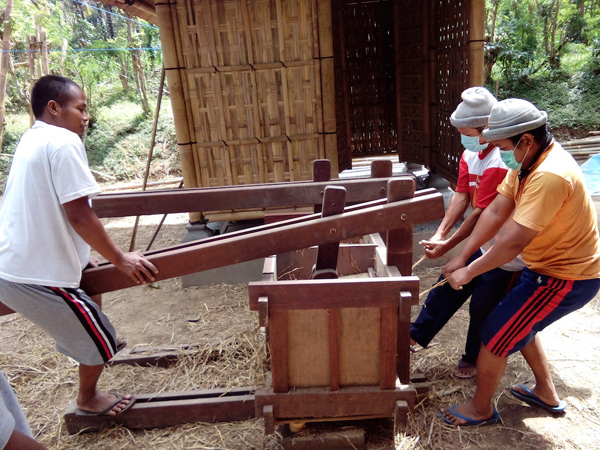
“The “Bali Baler” is a manual press that creates bales measuring 50 cm wide x 50 cm high x 100 cm long (19″ x 19″ x 39″). The bales are a bit wider than the standard bales in the USA. Designing in metric made everything simple and with the 6:1 ratio we were able to build the walls 3 meters high – close to 10′ tall.
Bean/Vetiver Borders with Compost/Earthworm Trenches
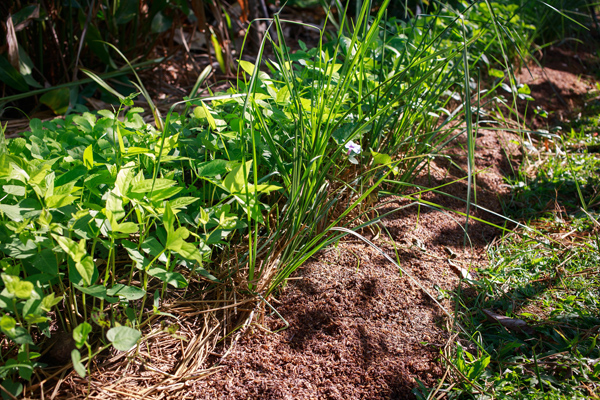
I’m experimenting with a passive compost trench system along the sides of our forest garden beds. The bean borders/compost trenches are primarily for erosion control, building soil, boosting the worm population and suppressing weeds. Secondary benefits include beans for seed and food, attracting pollinators, and benefiting nearby plants with extra nitrogen and water. The bean/vetiver/compost borders also look really good. In a few years the vetiver will grow into 12” clumps and form a continuous hedge, which will provide a continual source of nutrient rich green manure.