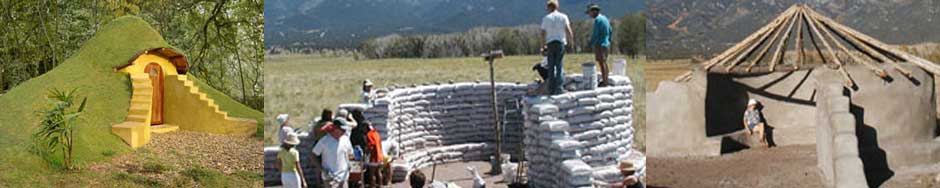
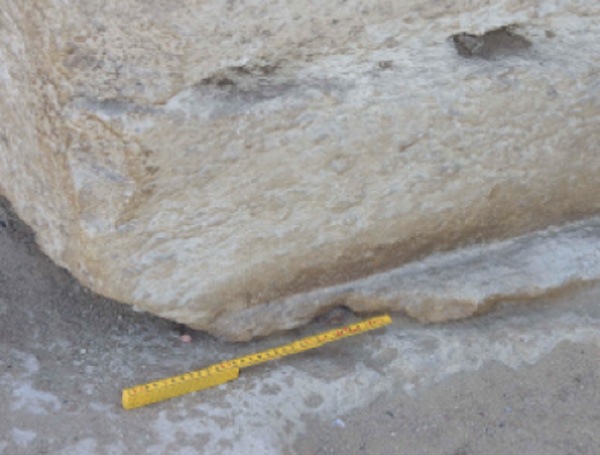
This is the evidence I’ve been waiting. For several years now I’ve been hoping to find close-up detailed photographic evidence of Michel Barsoum’s and Joseph Davidovits’s theory that at least part of the Giza pyramids were cast in place using an ancient type of geopolymer. Well, here it is.
General
Rammed Earth Block Machine Makes Clay Materials Harder than Concrete
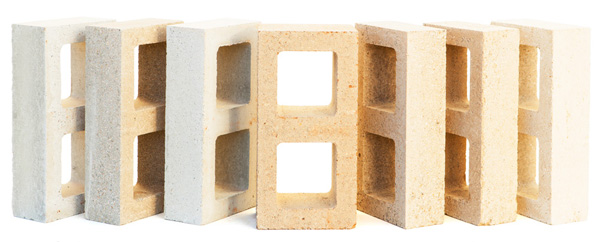
Guest post by Alex Wright of Watershed Materials, the company who’s making geopolymer concrete blocks out of waste clay materials. We’ve covered their exciting development in two previous blog posts. This article focuses on their rammed earth block machine.
Without Bound Documentary – Perspectives on Mobile Living
This short video is bonus footage from the making of the documentary “Without Bound: Perspectives on Mobile Living” featuring Bob Wells of http://cheaprvliving.com
Thermal Banking Greenhouse Design
“Steven Schwen of Earthen Path Organic Farm (Lake City, Minnesota) has built an innovative greenhouse that allows him to extend his growing season while reducing energy costs. SARE’s Farmer-Rancher Grants program provided critical assistance for Schwen in the beginning phases of his project.”
Ingenious New Building Method Replaces Concrete Block with Rammed Earth
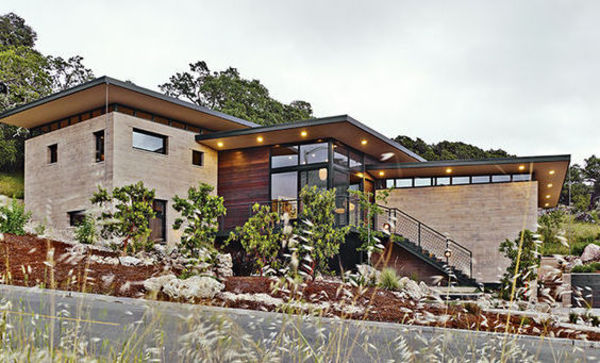
This may be the biggest story of the year. I just found out more information about the clay masonry blocks we reported on the other day. It turns out they were invented by rammed earth expert David Easton, and the blocks are already for sale in northern California in the San Francisco area. That means the development of Watershed Materials earth blocks are much farther along than I realized. This is VERY good news for natural builders and so I will do additional blog posts on this subject. Today’s blog post is about David Easton’s new home that’s made with these clay blocks.
Sinker Wood
““Sinker” is simply a term for a log that sank to the bottom of a waterway during transport, or the bottom of a holding pond while it was waiting for processing. They’re also referred to as “deadheads.” These big logs sank a very long time ago (sometimes over 100 years ago!) and they remain there until they are “rediscovered.”