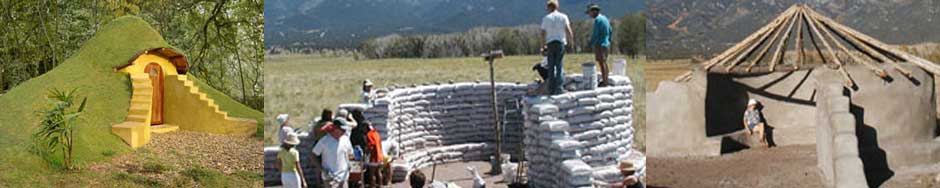
“Mike Oehler lived for over 30 years in an underground home that he built for $50 (and expanded for $500) on his land in Northern Idaho near the Canadian border. Now in his seventies his arthritis keeps him from hiking up to his home, but he continues to “write and proselytize”
General
Watershed Materials Develops Clay Masonry Twice as Strong as Concrete
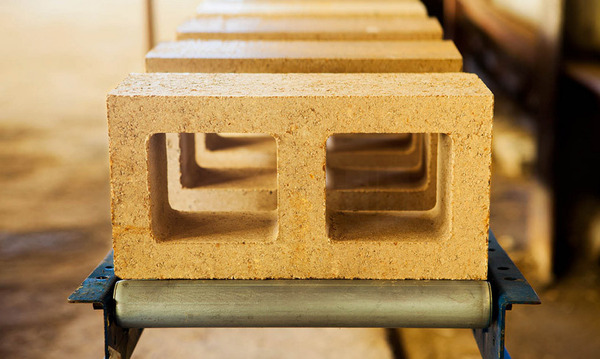
California-based startup Watershed Materials, with support from the National Science Foundation, has spent the last four years researching and developing a concrete alternative. Currently, their studies have produced a masonry created with natural, mineral based geopolymers, that has incredible strength and very low-carbon footprint.
OHOME Passive Solar Studies
“A visual description of passive solar design of the OHOME. Sun penetrates during the heating season, but is rejected during the cooling season, optimizing passive solar heating and cooling.
The $100 House
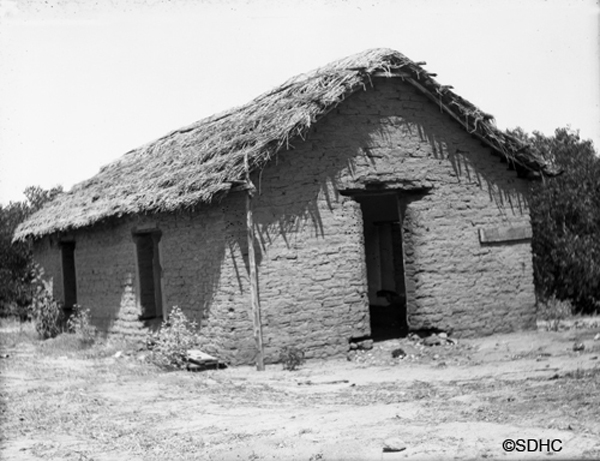
A few years ago my girlfriend called me into the living room to see an adobe house on TV. “Quick”, she said, “it only cost $100”. I thought there must be some mistake, but I rushed over to see the house out of curiosity. To my surprise it was quite nice.
Cast In-situ Adobe T-Bricks
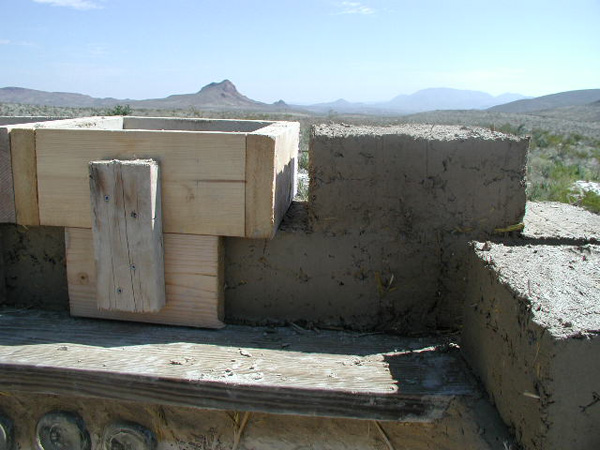
The blog post the other day about cast in-situ adobe was quite popular and so let’s explore a variation of this method developed by Abe at Vela Creations.com. I consider Abe’s Tblocks a major contribution to the natural building movement – even good enough for a major magazine article. Keep reading to learn the details.
Barrel Oven Planning
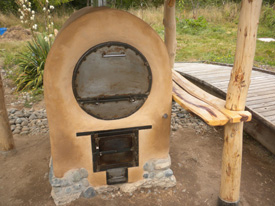
“I’ve already written a bit about my enthusiasm for ensuring we have something other than a camp stove and an open fire to cook on during the build of our house. I’ve done that before for large groups of people and I’m not keen to repeat the experience over longer than a weekend. It also seems fairly obvious that the key to ensuring we have willing and happy helpers is to keep them well fed (the whole build will go smoother with full bellies). So I don’t think it’s unreasonable to spend quite a bit of time and effort ensuring this is taken care of – I consider it good project management. One of our strategies is a barrel oven.