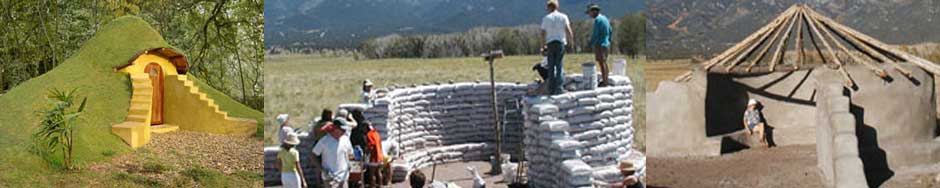
Mud architecture in India has a rich history. Even today, more than 65 million of about 118 million houses in the country are made of mud. But this architecture is slowly being supplanted by concrete as the country progresses.
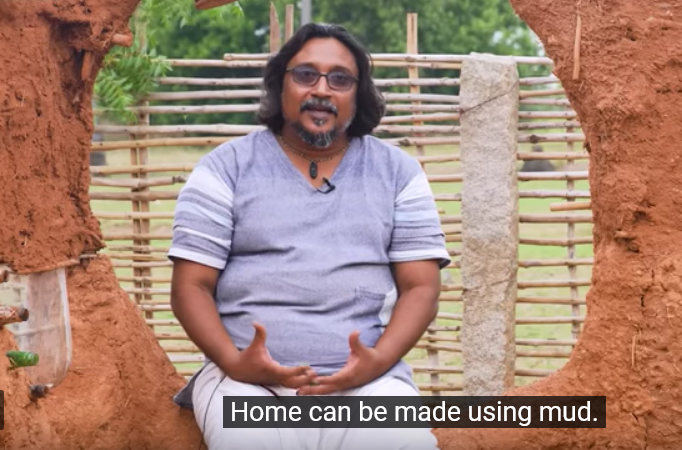
A 47-year-old architect is looking to change our notions about mud housing. Mud architecture is associated with deprivation and poverty, while concrete is considered a symbol of upward mobility and modernity. Biju Bhaskar’s organisation, Thannal, has now become a sanctuary for preserving traditional mud techniques and a seminary for architects to come and learn this art.
After getting his architecture degree, Bhaskar spent the first 10 years handling commercial projects but found that it was not his calling. In 2011, he founded Thannal — an awareness group for natural buildings — along with his wife, Sindhu Bhaskar.
His love for India’s diverse architecture had taken him on a journey across the country, experiencing and documenting different materials, styles and skills that made these dwelling spaces unique.
Bhaskar did not want to design or build more natural homes through Thannal like most architects. Instead, he sought to create more people to develop and design natural buildings. He also wanted to educate people on the significance of mud as a sustainable building material and ensured all material containing such knowledge was available. Thus he and his family built a 550 square feet Earthbag home and an artisans’ studio and started to conduct workshops.
Today, we see many Indian youths migrating back to the villages. This population is also keen on making a dramatic shift in their lifestyle by growing their food and building houses using locally sourced materials.
You can watch this video at www.youtube.com
You can read the original article at www.downtoearth.org.in
Hi Sir,
I have a piece of land in Jaipur Rajasthan, I have been studying mudhouse as an option but I want to know if can do some new designs like geelimitti is doing in uttrakhand . Due the sharp contrast in weather conditions applying modern designs in extreme hot states seems to be a Challenge.
Please share your views.
Earthen homes can perform well in many climates, but in extremely hot conditions it is sometimes better to provide some exterior insulation to the walls, so that they don’t absorb too much heat during the day.