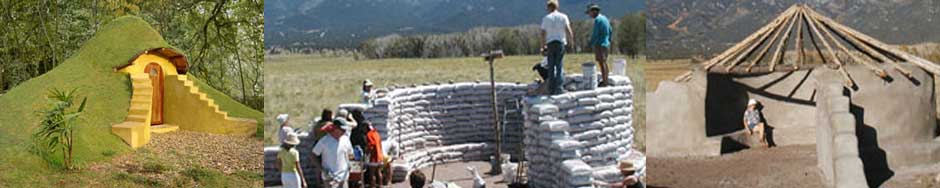
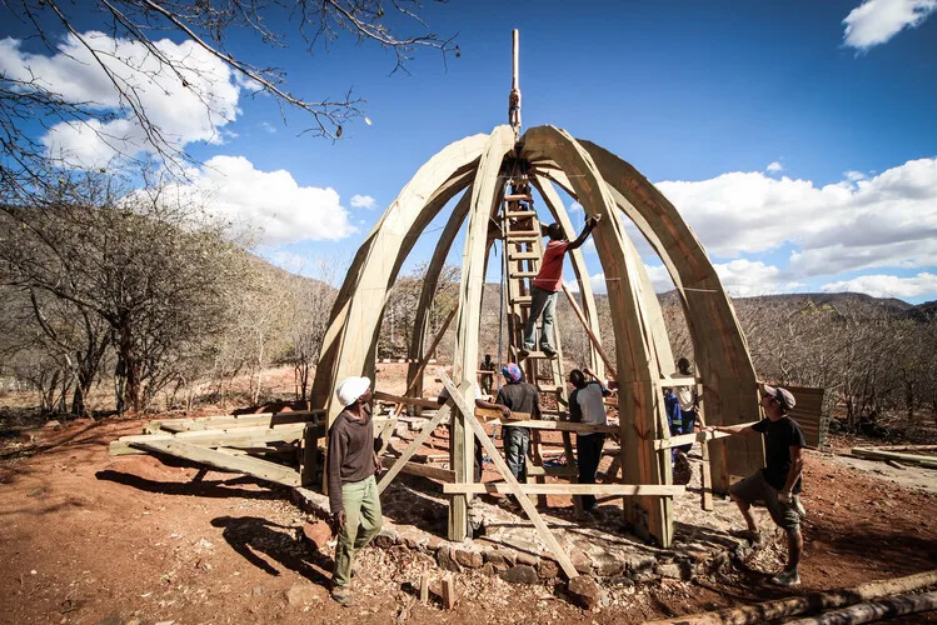
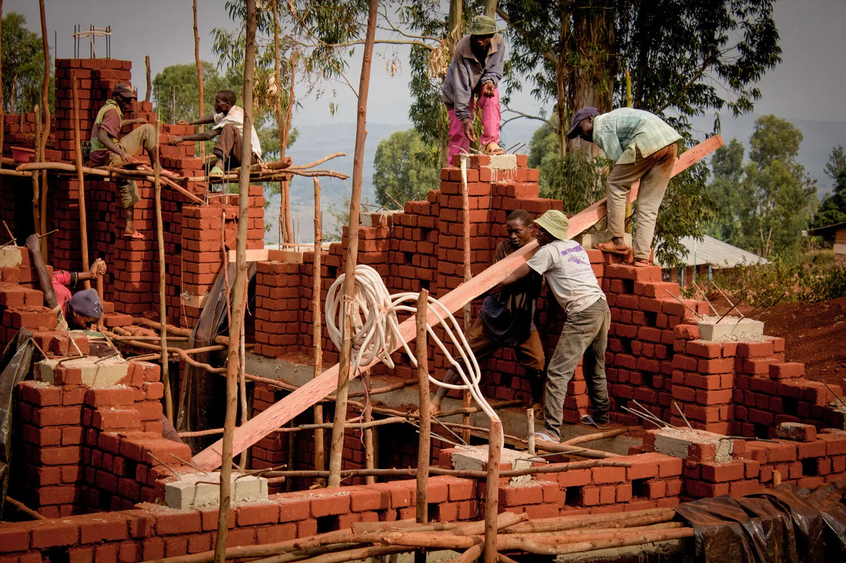
Most modern construction largely relies on industrial methods, but there is a renewed respect for traditional craftsmanship. Understanding how people utilize handmade brick, lime plaster, woven bamboo, and rammed earth represents cultural continuity and authenticity.
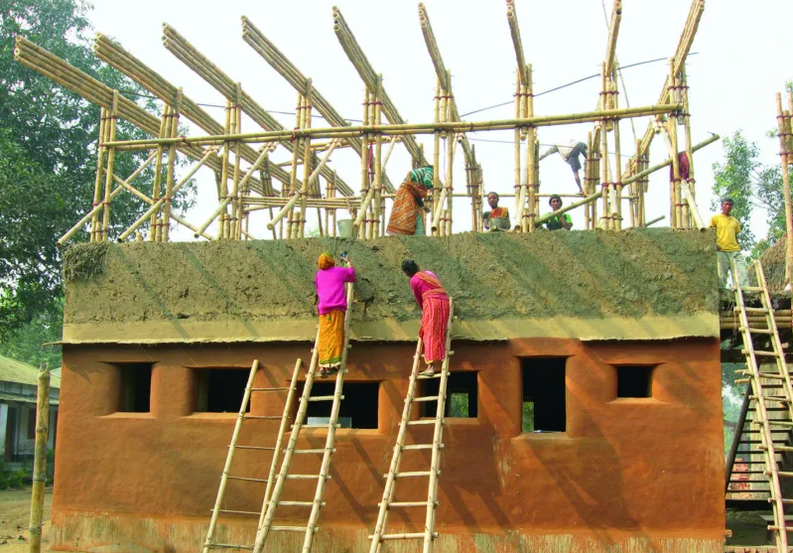 Craft hasn’t vanished due to obsolete technologies or disappearing artisans. It has been economically repositioned, revealing complexities beyond material use or aesthetics. Central to this is the political economy of construction: procurement systems, labor infrastructures, and market incentives which shape projects even before material choices are made.
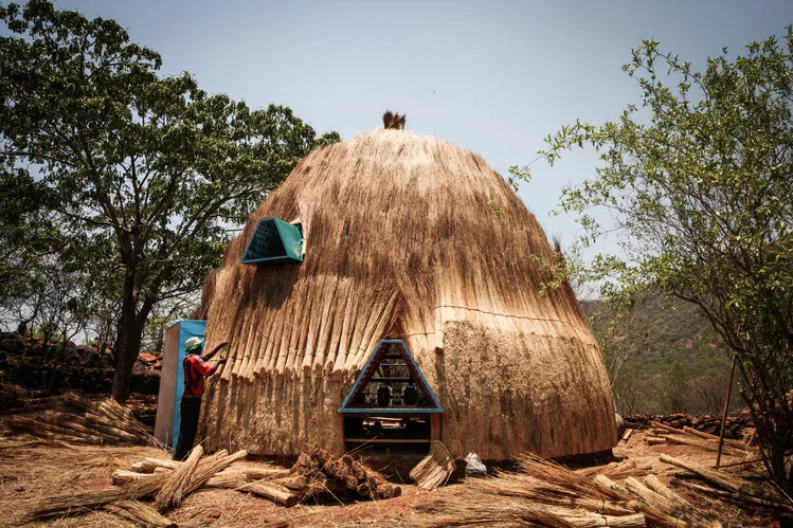 Why does craftsmanship seem expensive? The cost is embedded not in materials, like lime or bamboo, but in the expertise required to transform them. This expertise involves intricate processes and deep collaboration, making it challenging under procurement systems focused on efficiency and standardized methods.
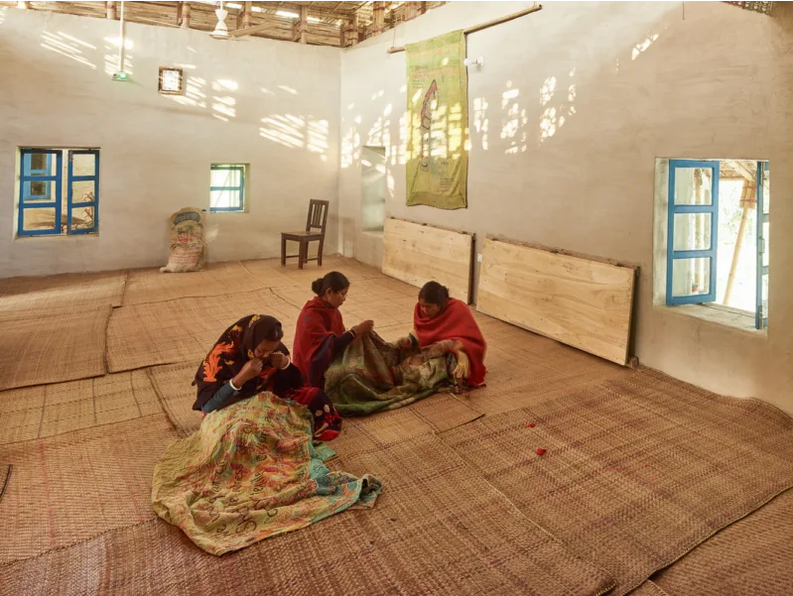 Construction today sees fragmentation through subcontracting and short-term labor, complicating consistent craftsmanship employment. Skilled workers are often reserved for projects seeking cultural distinction rather than everyday functionality.
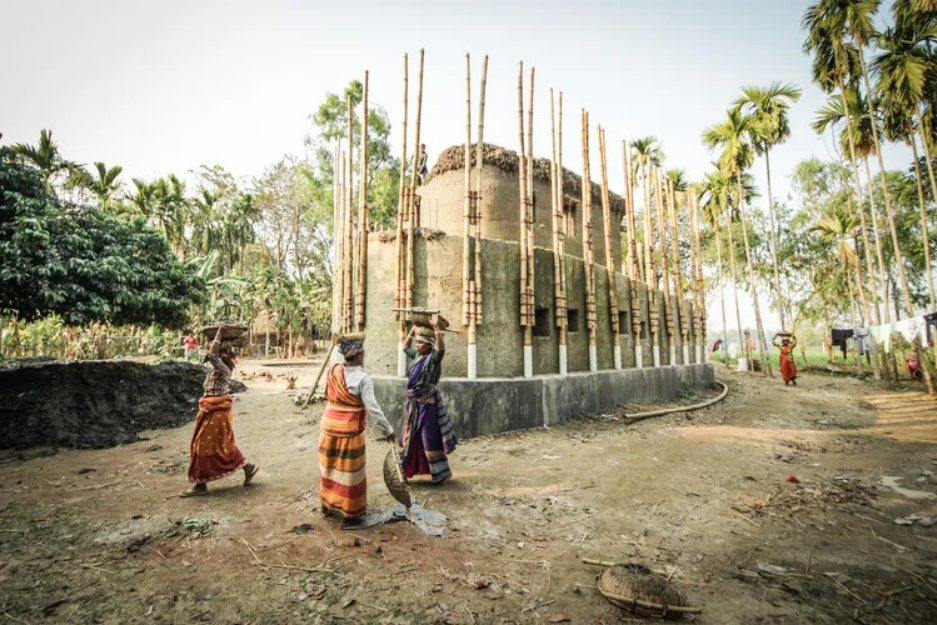 The role of architects extends beyond design to organizing construction. Decisions about materials are inseparable from collaboration dynamics. Inviting artisans early into the design process allows craftsmanship to shape a building holistically, as seen with practices like Studio Mumbai, which integrates construction knowledge from the start.
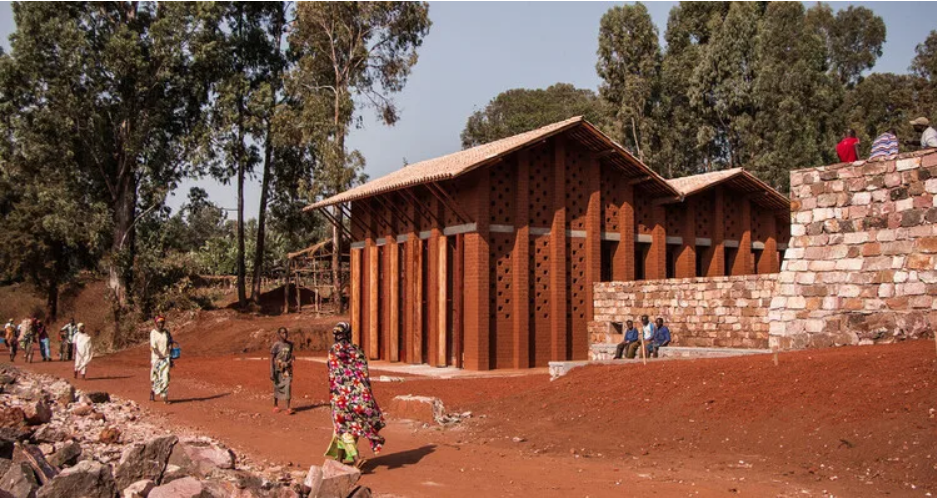 Solutions like procurement systems that prioritize collaboration, regional skill networks, and educational programs that reconnect architecture with construction practice are crucial.
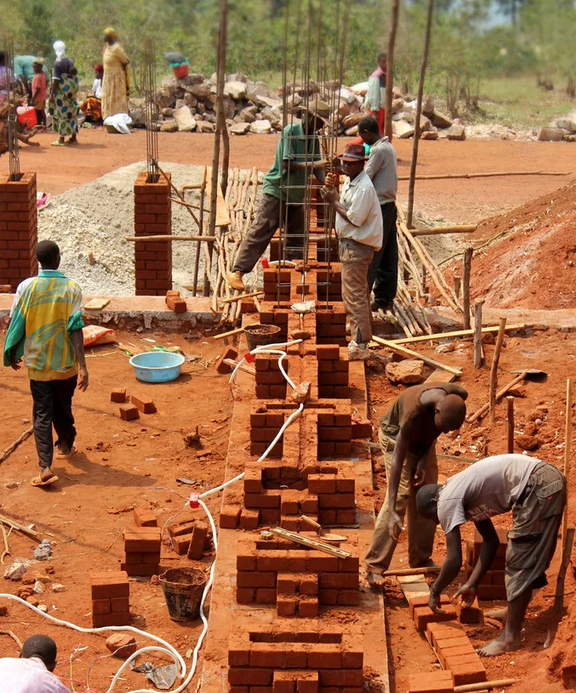 Recognizing craftsmanship as an everyday system of knowledge could reshape architecture’s future, aligning it with authentic and sustainable practices. The future of sustainable construction is, in many ways, linked to the revival and integration of traditional craftsmanship. As the industry evolves, aligning these practices within modern frameworks offers a path toward buildings that honor both cultural heritage and environmental stewardship.
 You can read the original article at freeyork.org