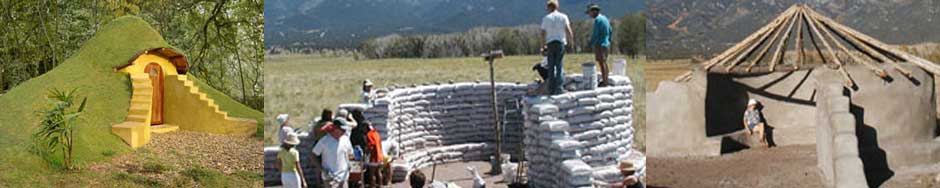
“Paolo Lugari and his team at Las Gaviotas in Colombia started regenerating the rainforest in 1984. Gunter and Paolo met for the first time that same year. This video offers some insights and background with exclusive video footage presenting the case of Gaviotas by Gunter. This is a prime case of The Blue Economy, zero emissions and social development, working only with what is locally available, generating social capital.” For info please look at www.zeri.org
permaculture
Sepp Holzer’s Mountain Permaculture Farm
“Sepp Holzer’s son Josef walks us through his family farm called the Krameterhof. Fish ponds, productive terraces, fruit trees and grazing animals characterize the lush landscape in one of Europe’s oldest and most well established permaculture farms.”
How to Make $100,000 Farming 1/2 Acre You Don’t Own
“John from Growing Your Greens.com interviews Curtis Stone, an Urban Farmer who makes $100,000 a year. Curtis farms in Kelowna, British Columbia, Canada on a total of 1/3 acres, most of which he does not own.
12 Agrihoods Taking Farm-to-table Living Mainstream
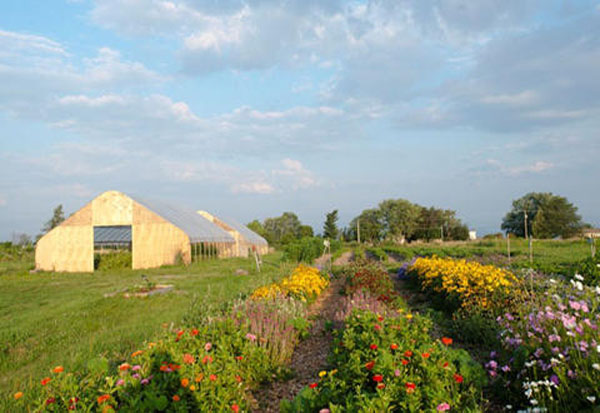
“Ever wish you could live at your CSA (community supported agriculture)? Or move to a neighborhood where everyone is as excited about fresh, healthy food as you are?
All over the United States people are embracing local food production in an exciting new way. Called ‘agrihoods,’ this new type of neighborhood serves up farm-to-table living in a cooperative environment. Instead of being built around a pool, tennis court or golf course, these housing developments are centered around a farm, often using the sweat-equity of residents to create a sustainable food system for the entire community.
Rainwater swale, water weirs and culvert cistern – Desert Permaculture
“Update to my rainwater fruit tree project where I use some permaculture techniques to water my fruit trees. Hopefully you might be able to incorporate something similar on your own home, homestead or urban farm! Thanks for watching:)”
Bean/Vetiver Borders with Compost/Earthworm Trenches
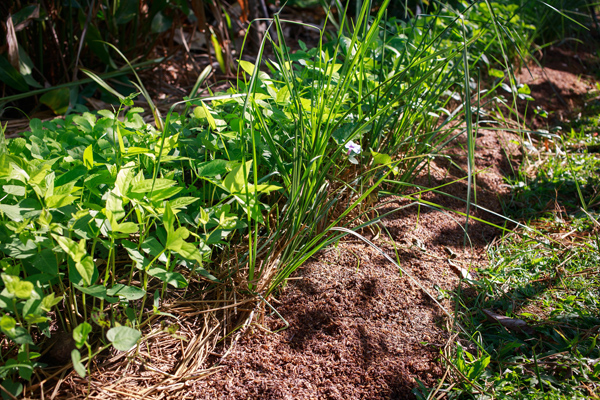
I’m experimenting with a passive compost trench system along the sides of our forest garden beds. The bean borders/compost trenches are primarily for erosion control, building soil, boosting the worm population and suppressing weeds. Secondary benefits include beans for seed and food, attracting pollinators, and benefiting nearby plants with extra nitrogen and water. The bean/vetiver/compost borders also look really good. In a few years the vetiver will grow into 12” clumps and form a continuous hedge, which will provide a continual source of nutrient rich green manure.