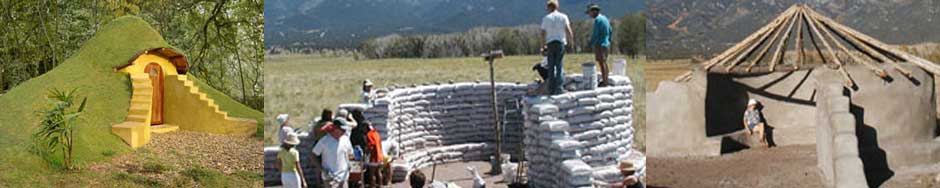
“You don’t have to spit far these days to hit an urban garden. The trend, says the New York Times in an article about an Urban Farm in Milwaukee, has everything to do with the recession and the growing awareness of the impact that shipping food long-distance has on our climate and our pocketbooks. Of course, not all of us will be able to feed ourselves with what we grow in our back yards during the lean, mean growing season here in Southern Colorado. But there are ways around it, and John Sondericker has built an inexpensive Geo-Dome greenhouse in hopes of growing enough vegetables to supply his family of 5 for the better part of the year, if not year-round. We visited John and his dome for a brief tutorial on how he did it and how it’s going thus far.”
sustainable
6,000 lbs of food on 1/10th acre – Urban Farm – Urban Homestead
“Since 1985 … Pioneering a journey towards self-sufficiency … One step at a time.
Over 6,000 pounds of food per year, on 1/10 acre located just 15 minutes from downtown Los Angeles. The Dervaes family grows over 400 species of plants, 4,300 pounds of vegetable food, 900 chicken and 1,000 duck eggs, 25 lbs of honey, plus seasonal fruits throughout the year.
How to save $1000’s on your micro house project
I love videos like this with brilliant, thrifty ideas. Learn how to tap into treasure hiding in plain sight.
“Hi micro housers. Here is a tip on saving $thousand$ on your house. I will be using these in my build series so stay tuned to learn how to. When you’re done harvesting [gutting the RV for usable parts] you can use the shell for storage or as a guest house or sell it to recoup more of your money.”
Earthbag Dome Build in Grass Valley, CA 2012
Short video on the earthbag domes we built in the summer of 2012.
Uncommon Good Whole Earth Building
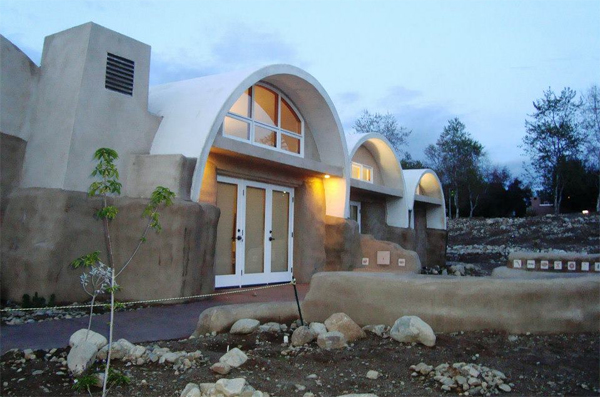
Architect – Claremont Environmental Design Group (CEDG)
Contractor – Oasis Design and Construction
Earthbag/Vault Builder/Consultant – United Earth Builders (UEB)
“Though Uncommon Good is a human services organization, we realize that helping the poor and saving the planet have become inseparable tasks. For when resources are scarce, or environmental disasters occur, it is the poor who suffer first and worst. Therefore, we want to set an example of caring for the environment and caring for each other in the way that we house and operate our organization.
Best Places to Live in Rural America
The cost of building a sustainable home is much higher in urban areas due to the stricter building codes, zoning and other housing regulations. Many readers dream of a simpler, healthier life in rural areas where there are few or no building codes and costs are far lower. But where’s the best place to live? Here are some lists to consider. You could compare the different lists and look for areas that are recommended most often. Everyone has different needs, however, and so you have to work out your priorities. Are you after the lowest cost land? Rural areas with jobs and growth potential? Rural areas with good weather? Minimal pollution? Lakefront land? Outdoor recreation? Good soil for gardening? Lowest taxes? Rural areas with like-minded people? The final choice will likely be based on some balance between these and other factors. Happy hunting.