Natural stone, a material which has shaped civilization for millenia, is seeing a resurgence in construction and interior design because of its timeless quality, durability, beauty and environmentally sound characteristics. It is exceptionally durable and can last for centuries without losing its appeal or integrity.
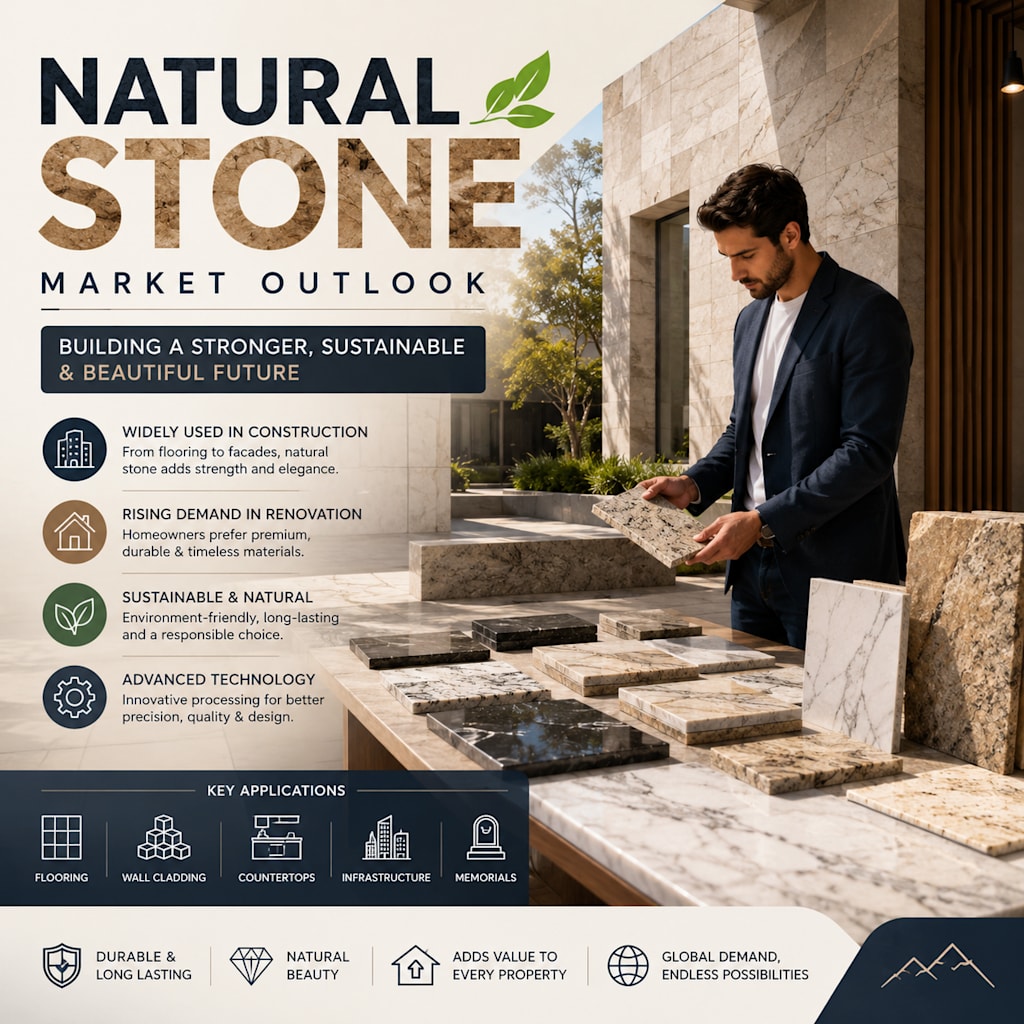 Unique patterns, textures, and colors will be inherent to each slab, enabling designers and architects a creative range unlike any other material available. Stone can find application in many functions: flooring, façades, plazas, retention walls, counters and interior surface features, landscaping, interior décor.
Home owners are increasingly willing to invest more into their homes, and the bathroom, kitchen, outdoor patio and entertaining areas are now receiving more attention. Granite countertops remain one of the most requested home additions, and marble and limestone flooring are becoming popular in luxurious residential builds. Natural stone offers aesthetic appeal and design flexibility. It is seen not just as an attractive design feature but also a valuable investment in any home.
Many green building certifications will award points towards sustainability for using natural stone in construction. Moreover, many quarry owners are committed to responsible extraction, recycling water used in the cutting and polishing of stones and using highly efficient production technologies that reduce their carbon footprint.
High-tech tools such as CNC (Computer Numerical Control) machines, laser-cutting, automated polishing and digital templating are being utilized to produce precise and highly customizable stone products that were previously difficult and expensive to attain.
Granite is one of the most popular stone, because of its extreme durability, hardness and resistance to scratching and heat. It is used most often for kitchens, bathrooms and exterior building cladding, but it can be seen in almost any application one can think of.
The natural stone industry still encounters some significant hurdles. Due to the emergence of alternative materials like engineered stone, porcelain surfaces, etc., that attempt to replicate the natural beauty of stone. It can be difficult for natural stone to compete in terms of price. Transportation costs, labor shortages and fluctuating price-points may also affect the natural stone sector. With increased focus on environmental concerns regarding quarry operations, companies will need to address these and seek sustainable methods to minimize their impact.
In a world obsessed with new fads and passing trends, natural stone offers something truly timeless and desirable: permanence.
To read the original article go to vocal.media