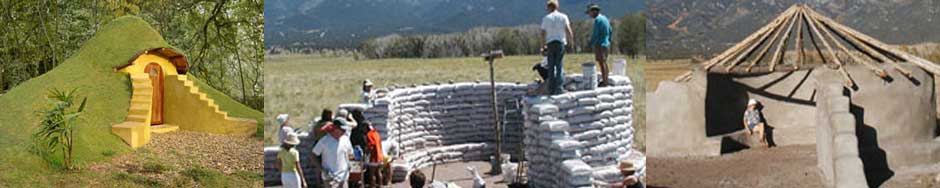
Crooked, forked and curved trees are often treated as second-class timber. They are considered less valuable, and not suitable for load bearing walls or support systems in building. If a tree trunk is not straight enough to become a saw log, it is frequently diverted into pulp production or burned for energy.
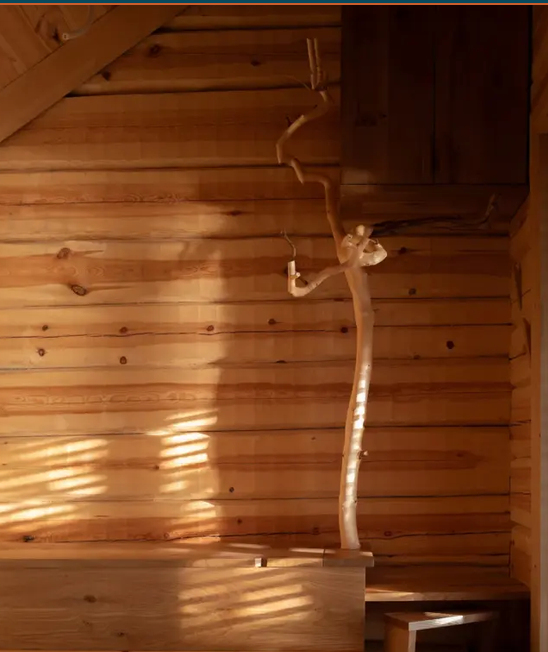
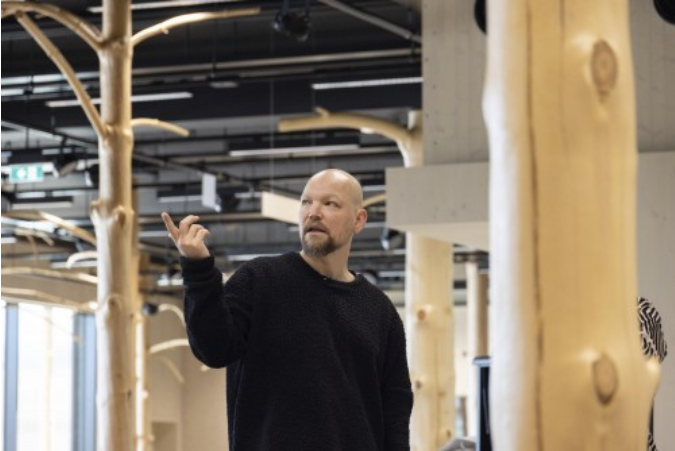 Architect and researcher Jaakko Torvinen of Aalto University in Finland has conducted structural load tests of organically shaped roundwood columns, including curved, double-curved and forked logs. The study found that standard engineering calculation methods can also be used to predict the load-bearing capacity of these naturally shaped tree trunks. This could put billions of dollars worth of lumber back in circulation increasing carbon storage in building.
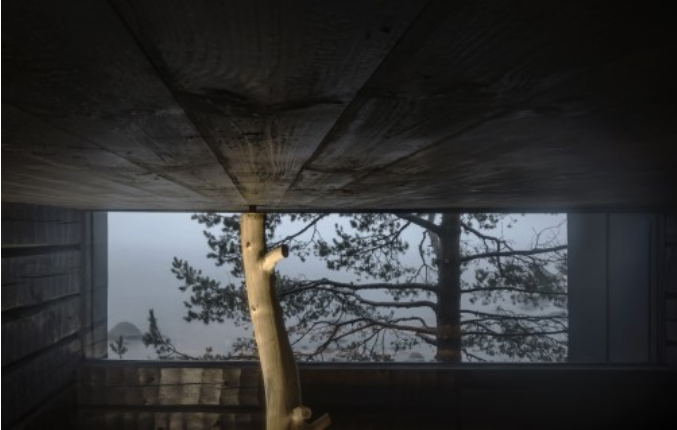 Actually vernacular builders have been doing this since time began. Now, this research is part of a broader effort to identify new uses for wood that is currently overlooked by the timber industry.
 According to Torvinen, combining structural knowledge with digital tools could help reduce barriers to using unconventional timber in construction and support greater use of mass-customized building components. “Using standard timber only is something that cash-strapped consumers are ready to abandon,” Torvinen said. “So I want to clear the path to industry embracing the possibilities of misfit wood too.”
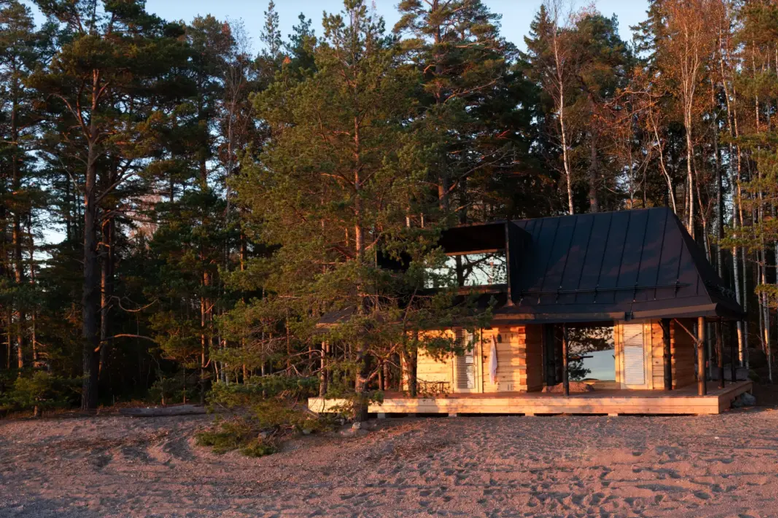 “In future projects, when a designer or client wants misfit wood in a building, it won’t be laughed at as an icebreaker, but considered as a legitimate design proposal like any other,” said Torvinen.
You can read the original article at www.greenprophet.com