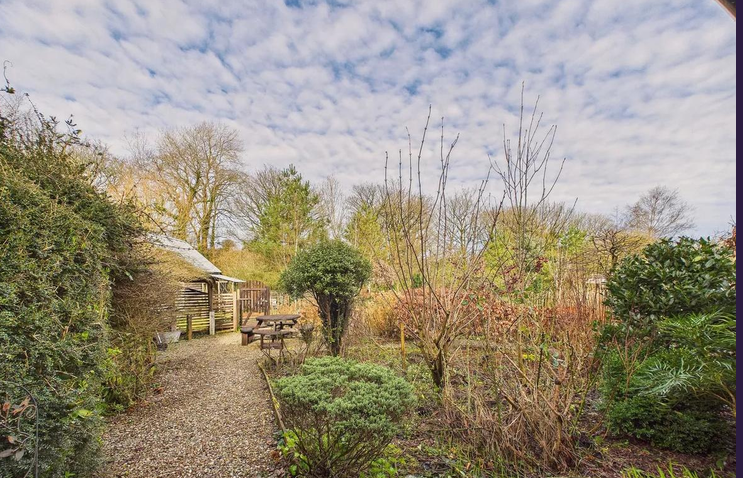
This 18th-century barn, recently converted to a home, is set within approximately three acres of gardens.
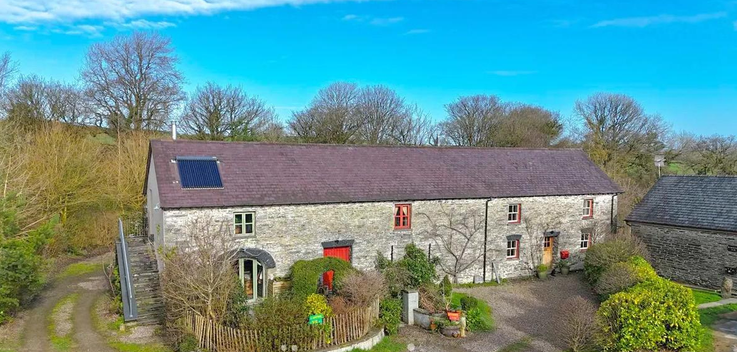 The barn itself has two-feet deep walls and is insulated with hemp and lime, providing natural insulation and breathability. The walls are clay-painted, enhancing air quality and creating an organic aesthetic.
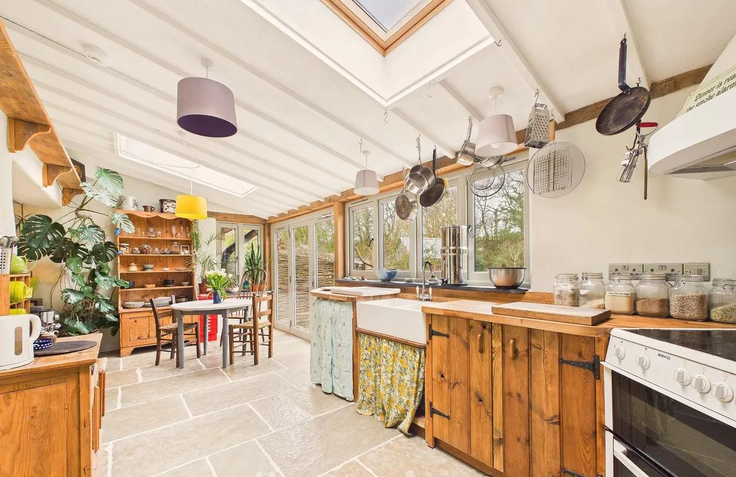 The property also boasts double-glazed timber windows, a biomass boiler supplying underfloor heating, and a 6kW solar photovoltaic array, reducing electricity costs.
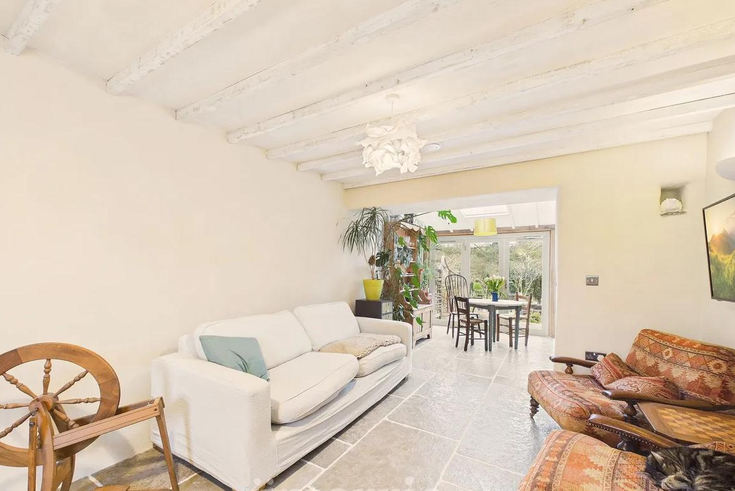 The living spaces are light-filled and welcoming, with a natural flow between indoor and outdoor areas.
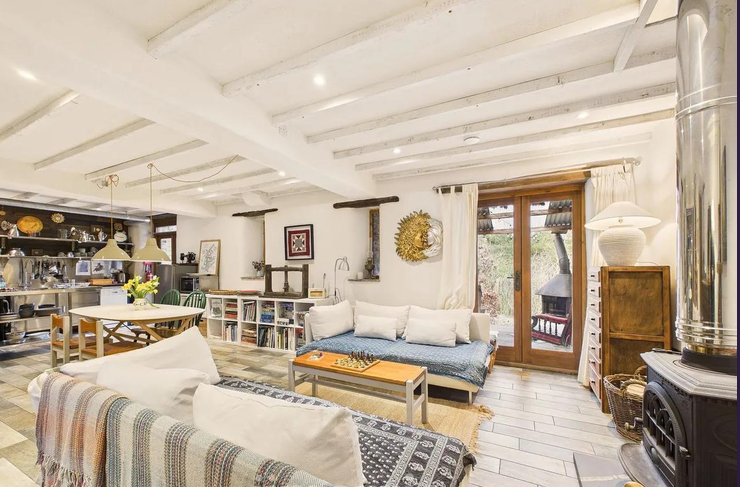 The self-contained annex also has its own solar hot water system. The annex provides independent accommodation, ideal for multi-generational living, guest accommodation, or continued holiday or tenancy letting.
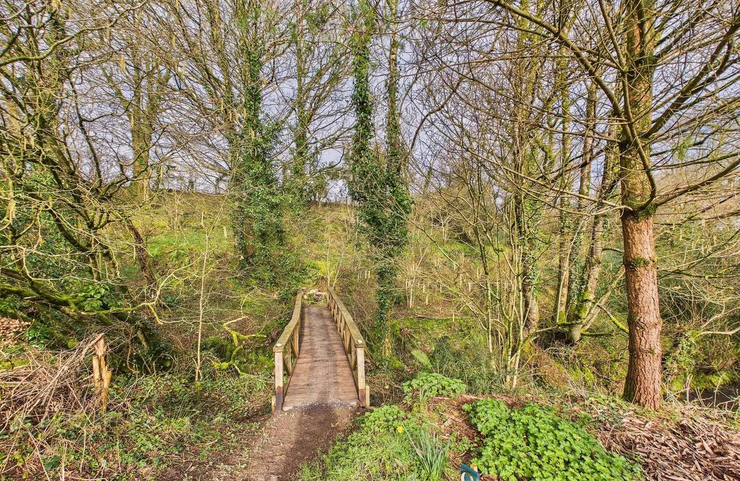 The grounds feature woods, a stream, an edible forest garden, and a mini vineyard. Figs and apricots grow on the front wall of the barn, while the forest garden produces almonds, grapes, and a variety of edible berries. A coppice wood supplies firewood.
 You can read the original article at www.tivysideadvertiser.co.uk
What a beautiful example of giving an old building a new life! Those two foot thick walls with hemp and lime insulation are amazing, and I love that the conversion added solar and a biomass boiler without losing the barn’s character. Working in demolition here in Little Rock, we see a lot of older structures, and it’s always encouraging when a project calls for careful selective removal instead of tearing everything down. Saving the bones of a building like this takes real patience. And figs and apricots growing right on the front wall? That’s just the cherry on top. Thanks for sharing!
Two-foot walls insulated with hemp and lime and finished in clay paint is not work you can hand to just any crew. We run a job board for traveling trades workers, and the people who really know lime and hemp are few enough that they usually travel to wherever the next old building is. That means weighing a job three hours away against something close to home, with lodging and mileage in the mix. For anyone with that skill set, here’s a calculator that puts a far-off job and a local one side by side. Lovely place, and the figs on the front wall are a nice touch.