The ethos of Masons Ink, the Bengaluru-based sustainable architecture firm helmed by Sridevi and Rosie, lies in ensuring sustainability gets a voice through all of their projects. Elaborating on how they bonded over their shared interest in sustainability in architecture, Sridevi says, “Our story goes all the way back to our undergraduate days in college. We were inclined towards heritage conservation and sustainable architecture.”
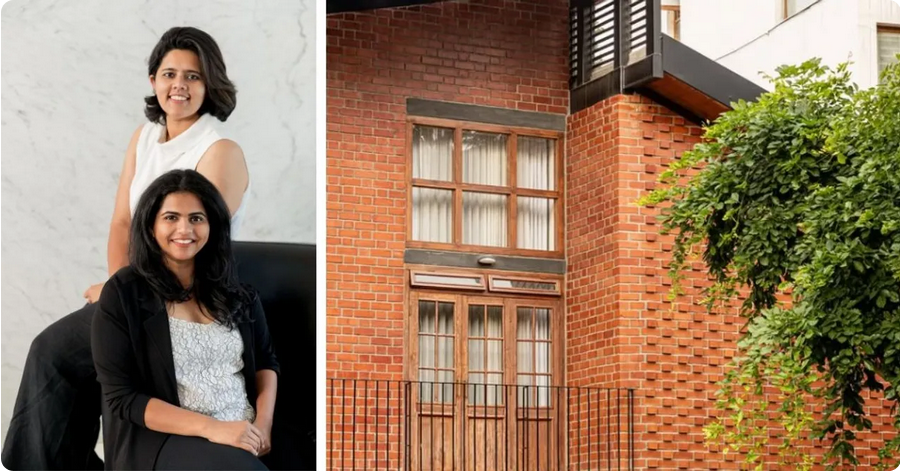 During their postgraduate years, the duo found their calling in the Auroville Earth Institute, which trains individuals to build homes using earthen techniques. “So, everything that we base our practice on is what we have been exposed to, not only as a profession but also as a lifestyle that we led in those formative years while being trained at the institute in mud construction and living in Auroville,” she explains, saying that starting a practice together was a “no-brainer”.
Rosie says, “I fell in love with natural building and natural materials. It helped me see the different avenues where these techniques could be applied. It’s amazing to build with the same material that you are standing on without over-engineering or industrializing the material.”
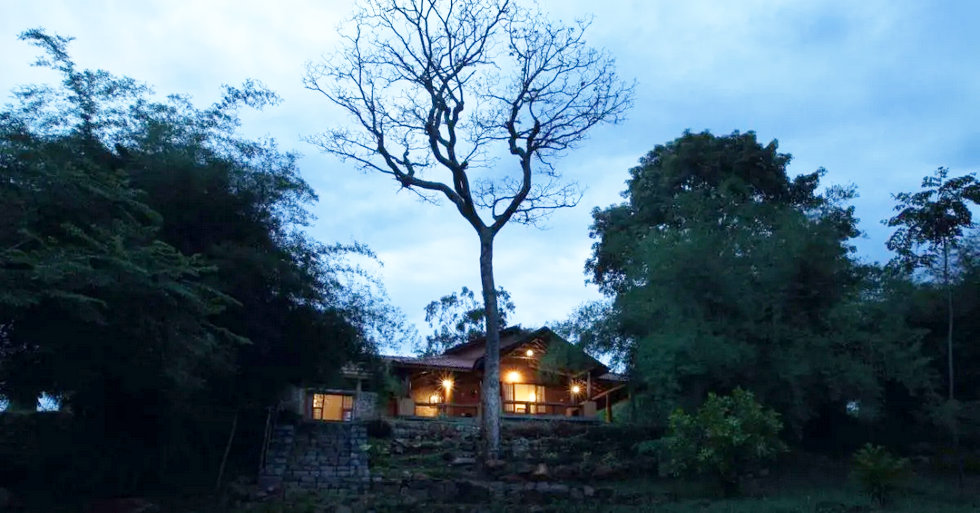 One client had around 22 acres of an organic farm from which they procured the rock and soil used for the project. Today, it’s an architectural gem with walls made of stabilized mud blocks and a foundation made of local stone. The wood for rafters and a false ceiling was repurposed from an abandoned factory nearby, and the land includes systems for wastewater management, rainwater harvesting, groundwater recharge, biogas, and solar energy.
But the most beautiful part of the project, Sridevi says, was engaging with local craftsmen and artisans to build the structure. “So, although challenges were posed by the remoteness of the location, it became an opportunity to build something truly sustainable using materials and skills from in and around the location,” she adds.
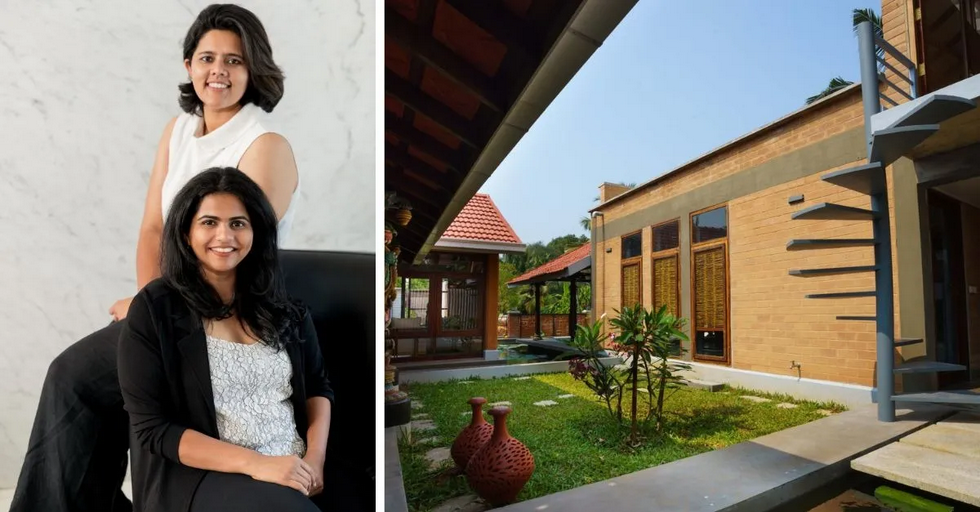 The duo is keen that material exploration not be limited to their practice. They conduct scheduled workshops for masons, students, and fellow professionals because they believe that this knowledge should be shared.
“One single material doesn’t make anything sustainable,” Rosie says. “What makes a project sustainable is how local it is and how little processed and industrialized materials are used. Any overproduction or processing raises the carbon footprint significantly. So, when it comes to different terrains, we first assess the local material. There have been instances where we were thinking of building with earth, but when we got into the area, we realized that stone was prevalent in the region and so using stone made more sense in terms of local availability.”
This is why studying vernacular architecture before beginning a project is very crucial, Rosie shares. “We don’t go in with the thought that we’re going to use this particular material and that will be our signature material. We want the land to speak to us. We check the existing architecture and the climate-responsive techniques used to build,” she explains.
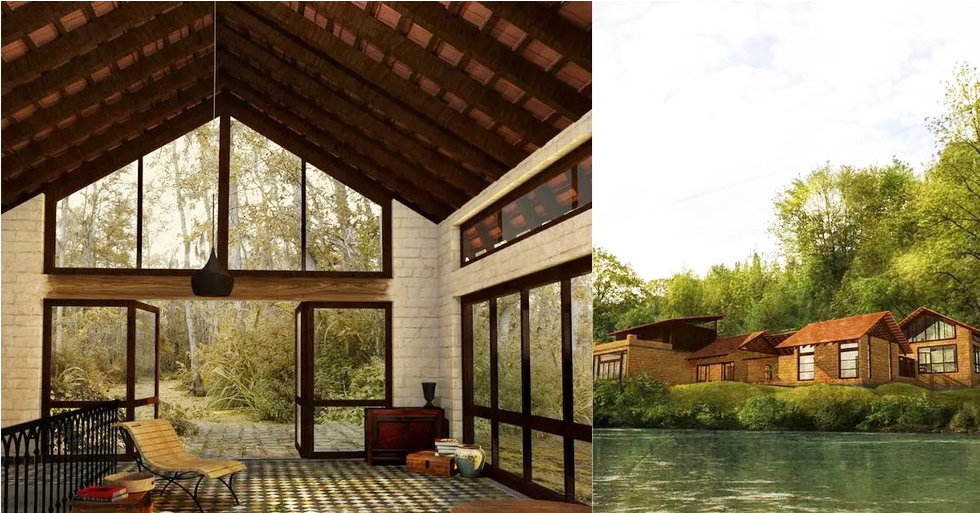 She cites the example of a recent farmhouse project in Ratnagiri. Once they analyzed local practices, they noticed that the region receives relatively low rainfall, which is why most traditional houses there have flat roofs, with stone slabs simply laid out instead of RCC. “It was fascinating to see the different ways in which stone was used. We also found that there was a strong tradition of using lime in construction,” Rosie says.
Rosie goes on to explain that, in this project, earth took a secondary place. “We chose not to use it. Instead, we decided to work with the two materials that were traditionally used, and focused on reskilling local labor to help them rediscover and revive their knowledge of working with stone and finishing with lime.”
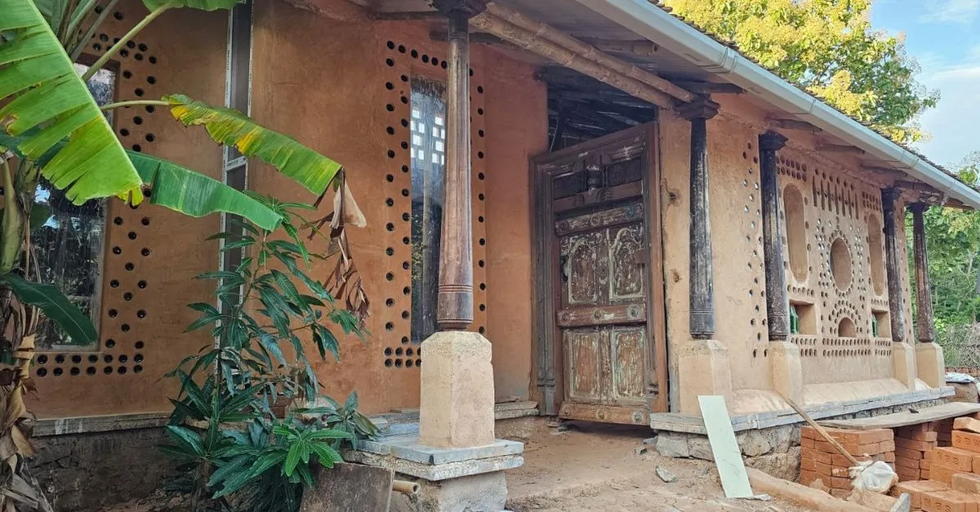 Oftentimes, the duo realizes that, while they attempt to channel local materials into the project, they end up “converting” people’s mindsets too. And this thrills them. “We’ve worked with masons who used to build with regular cement; we trained them to build with mud and local materials, and now, they use these. Sometimes, some carpenters begin choosing to work with reclaimed wood during the course of a project,” Rosie shares.
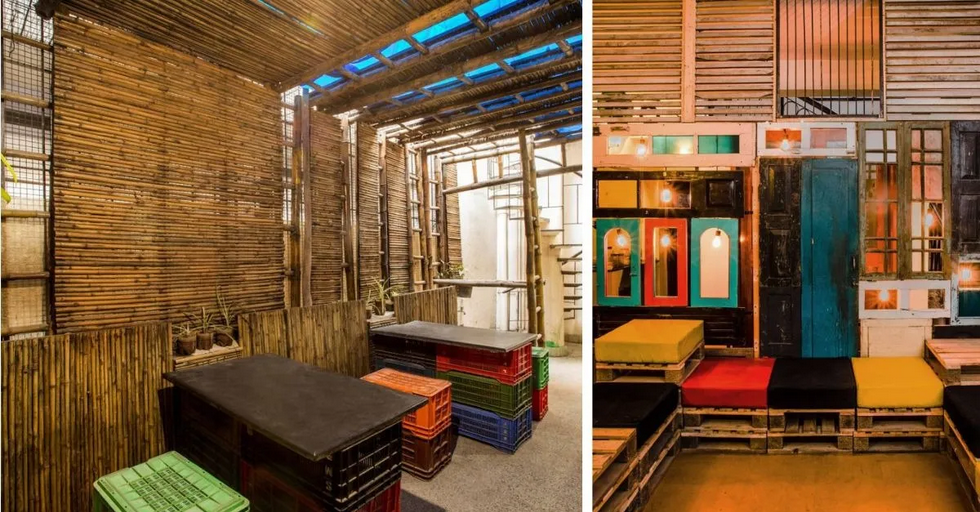 Together, through Masons Ink, they are creating a space where sustainable architecture not only thrives but also leaves a legacy that can be built upon.
You can read the original article at thebetterindia.com