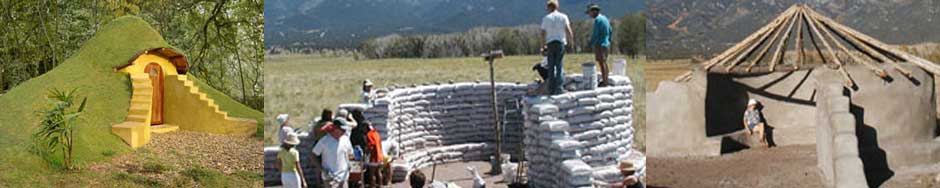
Clay has shaped Saudi Arabia’s architecture for centuries. Now, as the Kingdom’s construction boom accelerates, the ancient material is making a comeback as developers seek healthier, lower-carbon building finishes. The renewed interest reflects a broader shift in Saudi Arabia’s construction sector, where sustainability has become as important as speed and scale. From the restoration of historic mud-brick districts to contemporary developments inspired by traditional architecture, clay is increasingly viewed as both a cultural and environmental asset.
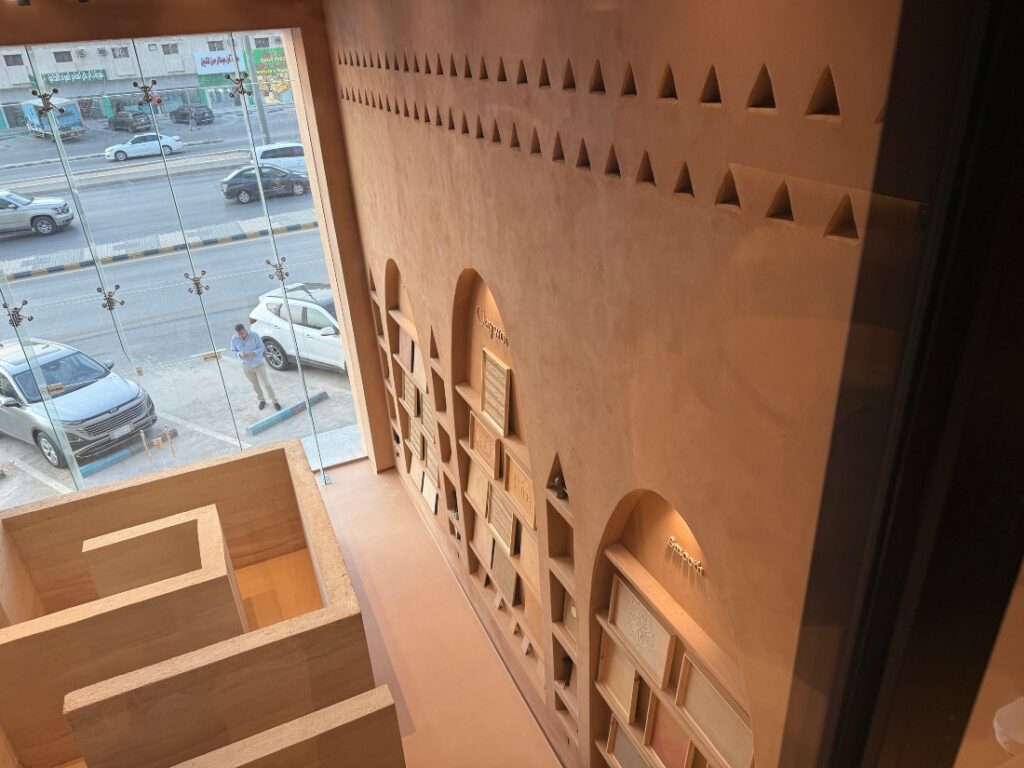 Thick earthen walls help regulate indoor temperatures. Natural clay plasters require significantly less energy to produce because they are dried rather than fired or chemically manufactured. They contain little or no volatile organic compounds, helping to improve indoor air quality, while their hygroscopic properties allow them to naturally regulate humidity inside buildings.
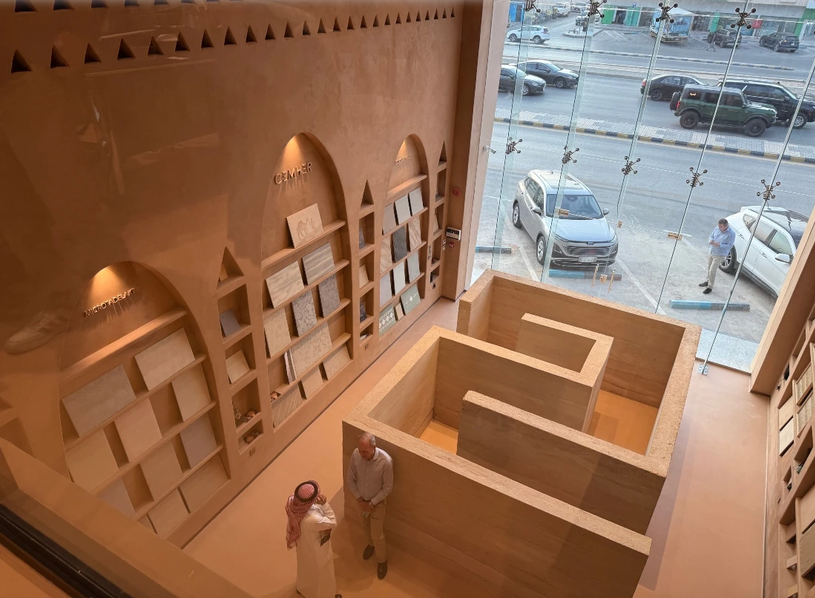
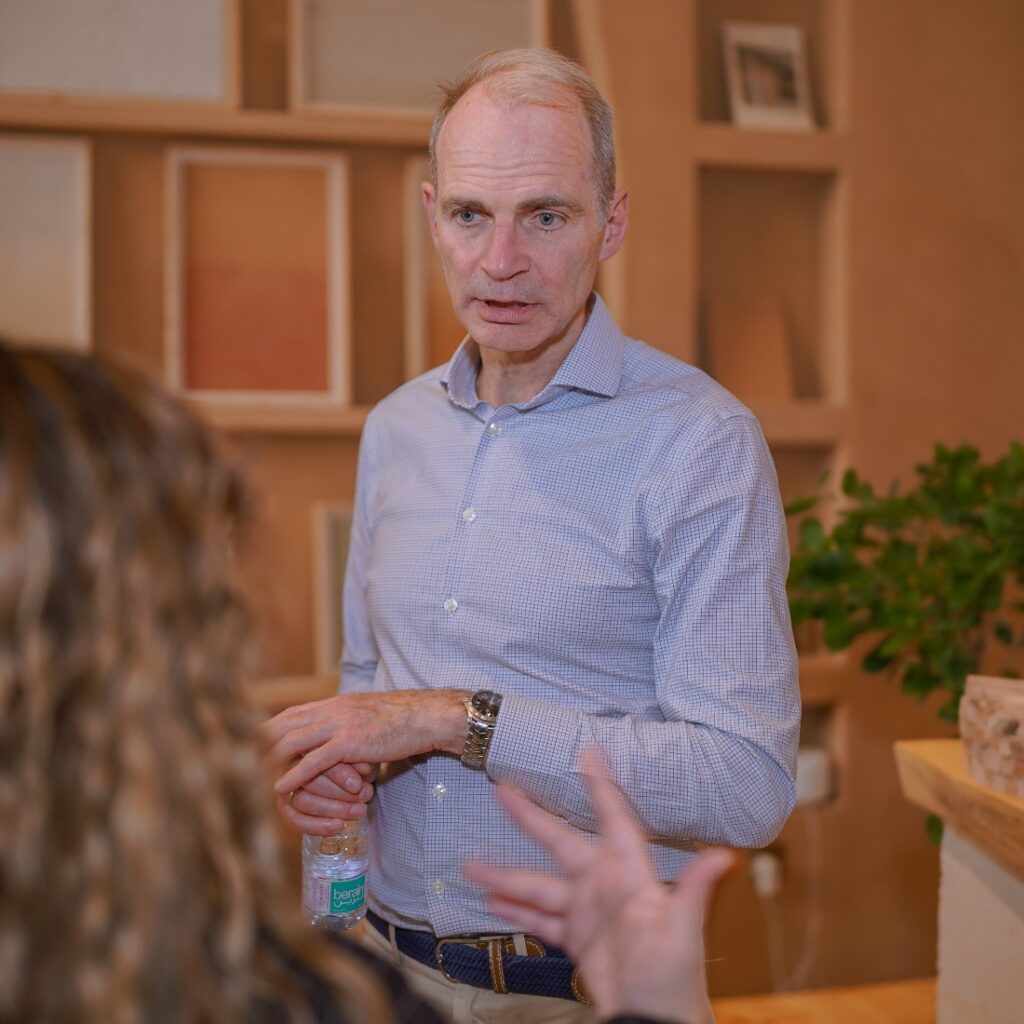 The growing interest was on display when British natural plaster manufacturer Clayworks gave an interactive workshop in Riyadh, inviting architects, designers and industry professionals to experience traditional clay plastering techniques firsthand. “We started getting lots of specifications from architects and designers in Saudi Arabia about five years ago,” James Bryce, Clayworks’ representative for Saudi Arabia said. “Saudi Arabia has a very strong tradition and relationship with earth and natural materials,” he said.
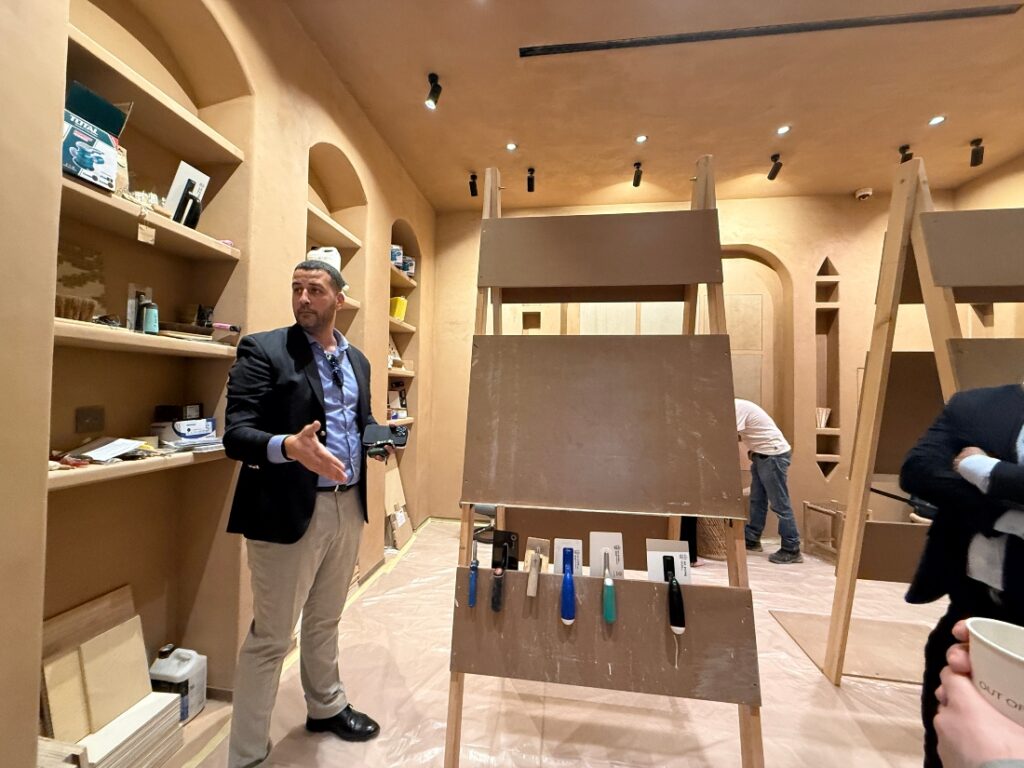 Clayworks’ products are made entirely from natural clay. Different textures and finishes are achieved by varying application techniques rather than changing the material itself, allowing designers to create smooth bedroom walls, textured feature spaces or water-resistant bathroom finishes using the same natural base.
 As Saudi Arabia continues investing in tourism, hospitality, residential communities and cultural destinations, demand for environmentally responsible building materials is expected to grow alongside construction activity. In many ways, the Kingdom is returning to one of its oldest building materials not as a relic of the past, but as a practical solution for creating healthier, more sustainable buildings for the future.
You can read the original article at www.arabnews.com
It is interesting to see how traditional earthen materials are being reconsidered for modern construction. Natural building methods can offer practical benefits such as local sourcing, energy efficiency, and a connection to regional building traditions. A forward-thinking construction company in Karachi can also explore sustainable materials and techniques to create durable and environmentally responsible properties.