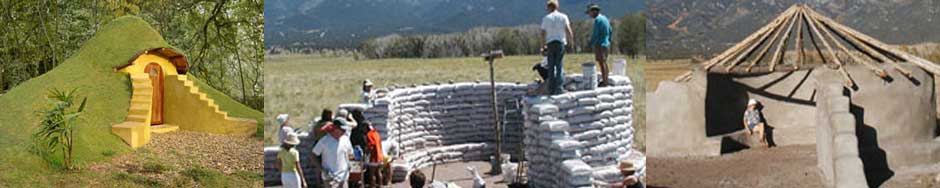
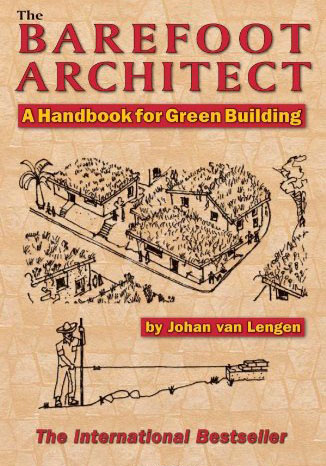
 This is the first English edition of The Barefoot Architect by Johan van Lengen, originally written in Spanish, published in the 1980’s and distributed widely in Mexico and throughout Latin America. Shelter Publications made this new edition available in 2008 because of the relevance of the content to our current times.
natural building
Domes beat the noise from the world’s busiest international airport
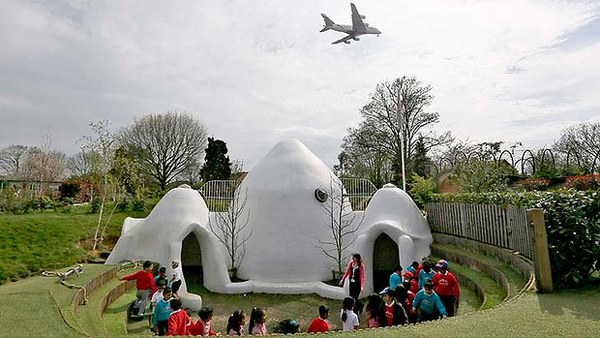
“Pupils at a London school so close to Heathrow airport that it sometimes seems descending planes might land in the playground have found a novel way to fight the roar of jet engines.
Straw Bale Emergency Shelter Cold Weather Upgrades
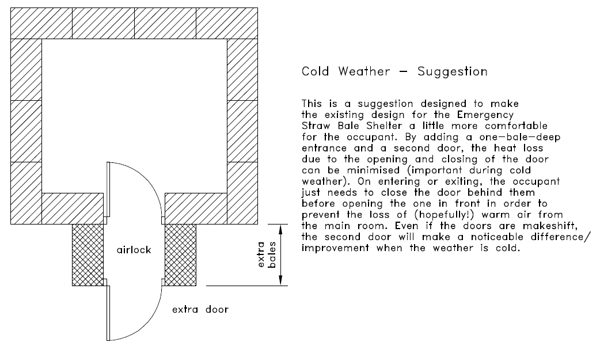
Suggestions from one of our readers on how to make the straw bale emergency shelter more comfortable in cold climates. This amazing shelter can be built in just a few hours.
“I just found your website as I am on a quest to ‘put a roof over my head’ as cheaply as possible. I have just started to browse through your website and I read a comment from a lady who had ‘survived’ very cold weather and snow in the Emergency Straw Bale shelter, so I looked and found the post about this shelter.
Miracle Springs
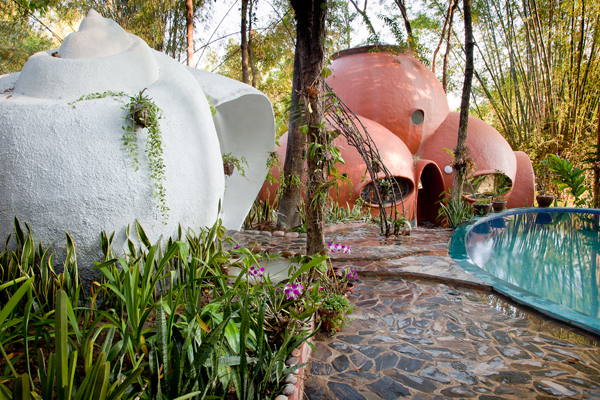
This report is from a reader who goes by the name Ajarn Richard. This is where Steve Areen’s dome home is located and other unique structures such as the ones above.
“I’m staying at Miracle Springs right now. The owner is Hajjar Gibran, author, designer, builder. He is the great nephew to Kahlil Gibran, author of the “The Prophet” and has written the sequel to his great uncle’s masterpiece.
Hajjar and his wife Lumyai worked closely with Steve Areen to design and build his dome home out of cement block. Most recently, Hajjar has created a CEB press and a system for building with foam cement and is eager to experiment with these sustainable methods. They are also owners of the organic mango farm where Steve’s dome is located. The property has many of Hajjars creative structures on it. They plan to create an international center for learning various building methods as well as organic agriculture.
Earth Houses + Name of Country
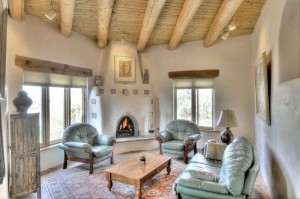
Looking at photos of natural houses is a fun way to learn about natural building. Almost half the homes in the world are made with earth (adobe, cob, rammed earth, earthbag, etc.), so there are countless photos of houses made like this on the Internet. Try searching for photos in your favorite search engine using the search terms: earth houses + the name of country you are interested in. Google Images is my current favorite (although the quality is slipping lately). Try various search terms to see what works best. You could try searching: earth dome or earth dome home or earth roundhouse or earth sheltered house. You get the idea. In foreign countries you could search similar words in the local language.
Steve’s Dome in Thailand — Take Two
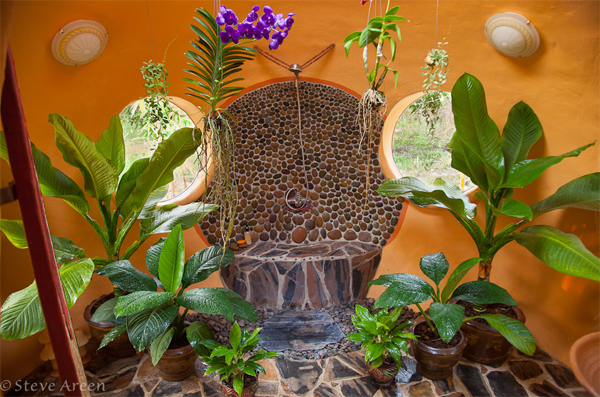
The blog post the other day about Steve’s Dome in Thailand has caused quite a stir. Read the Comments there to get the background story. Here’s a follow-up report about what’s been happening since. The images of Steve’s home are spreading across the net very fast…borderline viral. This confirms my initial opinion that this home is worth taking a closer look at because it is so exceptional. (See his photo galleries here and here. However, I’m taking some flak for my decision to publish a home built with concrete (reader requested, by the way). This was the first and only time I’ve done this, but in this case I felt the home was exceptional enough and had many interesting features that could be used in houses made of sustainable materials. In other words, we can learn from studying homes built with all types of materials. This was all clearly explained in the original blog post.