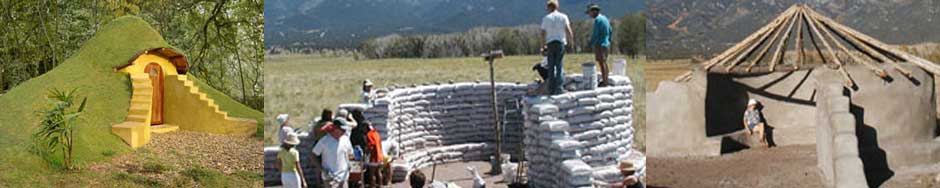
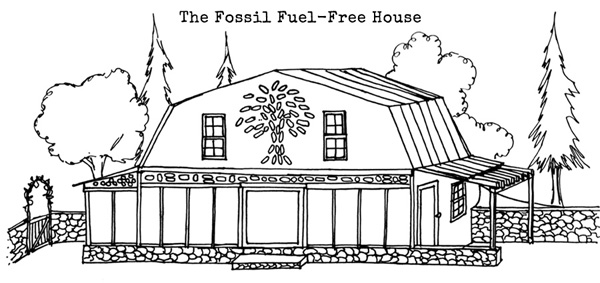
“We are currently running an indiegogo campaign to raise funds for our next house which will be an earthbag house using earthship principles, hydronics, solar hot water and biogas, among other things.
sustainable
Fruit Walls: Urban Farming in the 1600s
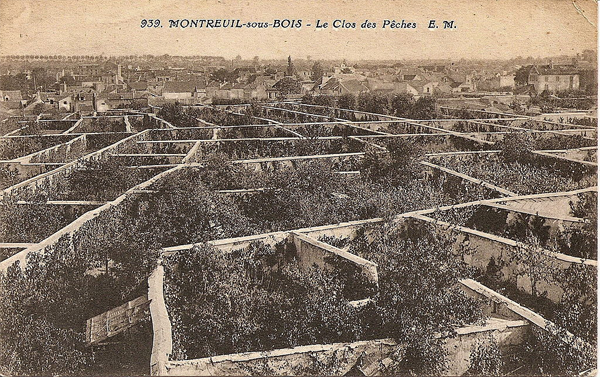
This is an amazing story recommended by Jim, one of our long time readers and supporters. So many things such as fruit walls are being forgotten due to the prevalence of relatively affordable energy.
“We are being told to eat local and seasonal food, either because other crops have been transported over long distances, or because they are grown in energy-intensive greenhouses. But it wasn’t always like that. From the sixteenth to the twentieth century, urban farmers grew Mediterranean fruits and vegetables as far north as England and the Netherlands, using only renewable energy.
Art of living in a Dordogne tiny mud home with living roof
“In a small forest in France’s Dordogne, self-taught carpenter Menthé built his home with a living roof and mud walls, plus hand-carved wood from the surrounding forest shaped according to ideas from 16th century French architect Philibert de l’Orme. The result is a charming and very cozy home that fits perfectly into the woodland.”
How to Build a Mud House to Last up to 10,000 Yrs England
The building industry doesn’t want people to know about this! Modern building materials are expensive, often require special tools and expertise, rot or burn after a few decades, and many times offgas toxic fumes. Fortunately, word is spreading about natural building and how almost anyone can build their own home at much lower cost. Examples of ancient natural buildings that are still standing after thousands of years can be found worldwide. This includes earthen structures in earthquake zones that have withstood centuries of earthquakes. These ancient building methods are being rediscovered and utilized to beat the high cost of home building.
Underground Greenhouse – Bozeman Montana
“This is a partially underground greenhouse we use at Saddle Peak Farm & Vineyard to start, grow, overwinter, and propagate plants. This year we have tomatoes using the extra summer space, hoping they last until December. In this update, I show them off, as well as some dwarf citrus trees, water plants, and carnivorous plants (Venus Fly Traps and Pitcher plants). Enjoy!”
Permaculture Food Forest in New Zealand
“The Guytons started planting their food forest in 1998 on two acres of bare land in Riverton, New Zealand. This style of gardening was new to Southland so their neighbours did not approve. Now it is an established food forest with hundreds (460!) of different plant species. Fruit and nut trees, berries and herbs and wild plants all blended together in a productive and sustainable way. This short video introduces concepts of permaculture.”