
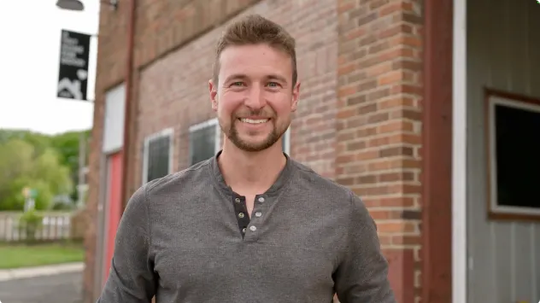
 Andrew Lunetta saw the same pattern over and over while working at homeless shelters in Syracuse, New York. Men would leave, move into the cheapest housing available, and soon return looking for a bed. After nearly a decade, the lesson was clear to him: People were not failing at housing; housing was failing them.
Lunetta began asking residents what they wanted in a home. Repeatedly, they told him no roommates, no shared spaces, just a place of their own and support that would continue after they got housed. That sparked Lunetta to create A Tiny Home for Good in 2014. The Syracuse-based nonprofit has built 23 tiny homes and refurbished almost two dozen other properties for people experiencing homelessness.
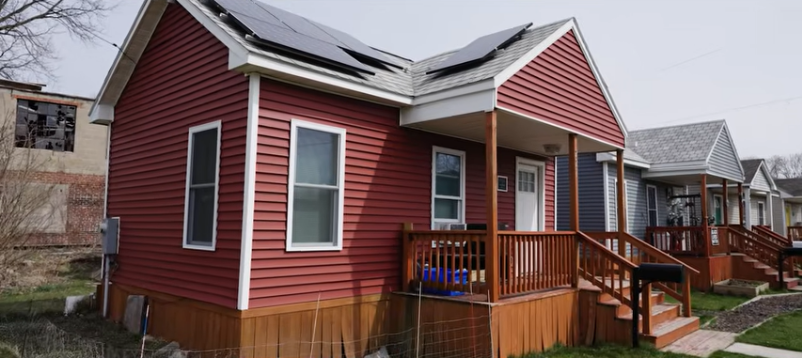 The homes are small but complete, with a kitchen, bathroom, and a washer and dryer. Residents avoid the shared hallways, roommate conflicts, and constant noise that can make other housing arrangements difficult to sustain.
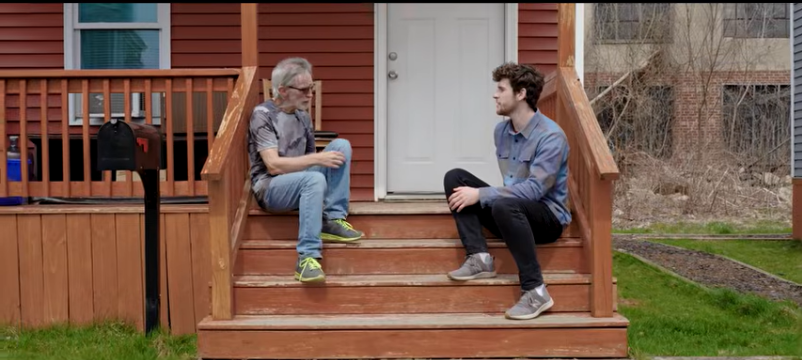 Lunetta and his team provide the long-term support that he says tenants need to succeed, whether that means help managing addiction, mental health care, or the day-to-day resources and work that stabilize their lives.
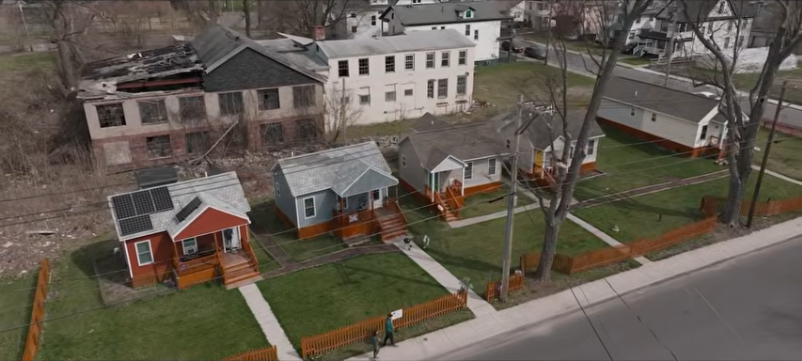 A Tiny Home for Good’s model meets tenants where they are. Tenants sign standard leases and pay rent based on income, usually capped at 30 percent. There is no sobriety requirement, no mandate to participate in counseling, and no deadline by which they must leave, Lunetta said. For some, the housing is permanent. The organization’s first tenant moved in nearly 10 years ago and still lives there. For Lunetta, that kind of long-term stability is part of the goal.
 The organization now also renovates multi-bedroom homes for families experiencing homelessness.
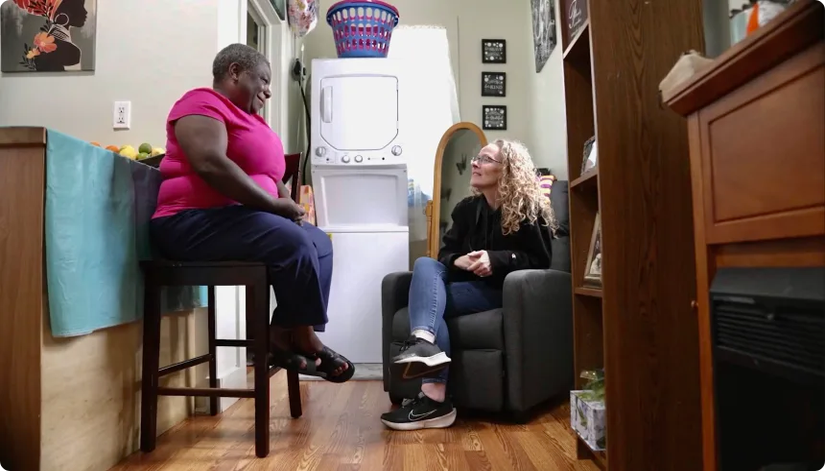 In January, Rhea Holmes moved into her tiny home with only the clothes on her back, an iPad and a phone. Now the space is filled with plants, pictures, and her belongings. Holmes says the home has given her “hope, freedom, peace. It’s like freedom to just exhale,” Holmes said. “Your nervous system is now able to rest.”
You can read the original article at www.cnn.com