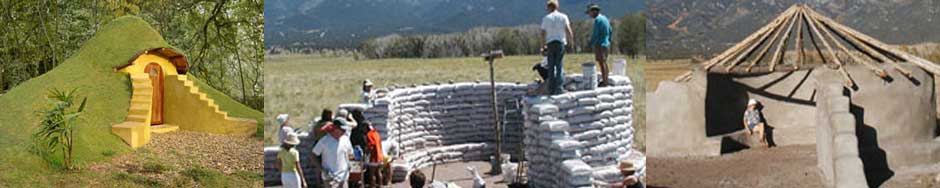
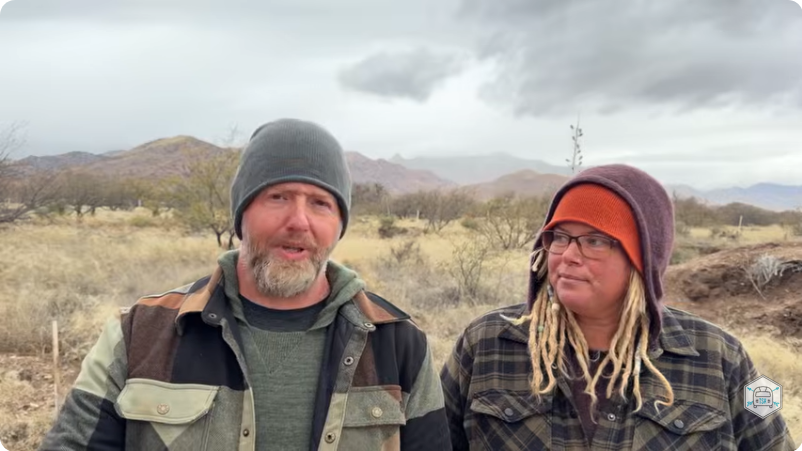
 In Arizona’s high desert, Jonathan and Ashley Longnecker are building an off-grid homestead that relies on earth walls, solar power, rainwater catchment, and a lot of hands-on labor. Their project is a real-world test of whether a modern family can reduce consumption, live more independently, and build a home that works with a dry, demanding landscape rather than fighting it.
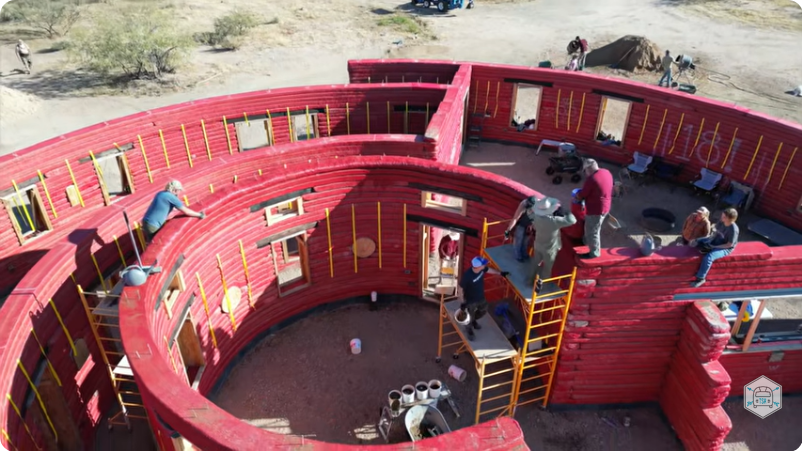
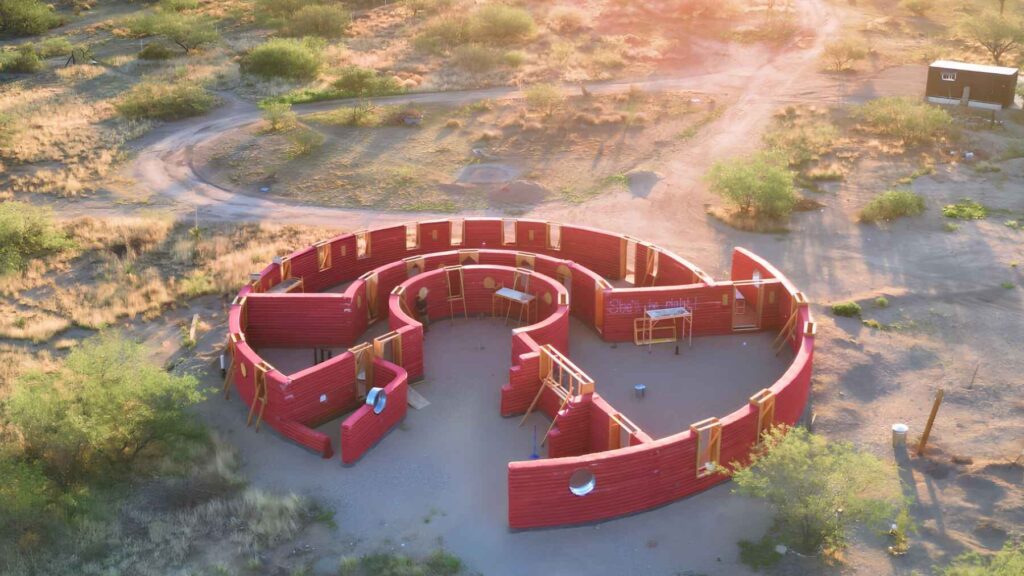 They describe themselves as a family of six that loves off-grid living. After years of travel and boondocking, they bought 11 acres of undeveloped land in southeast Arizona and began creating what they call an off-grid desert homestead. At the center of the project is a round family home built with hyperadobe, a natural building technique that uses mesh tubes filled with compacted soil.
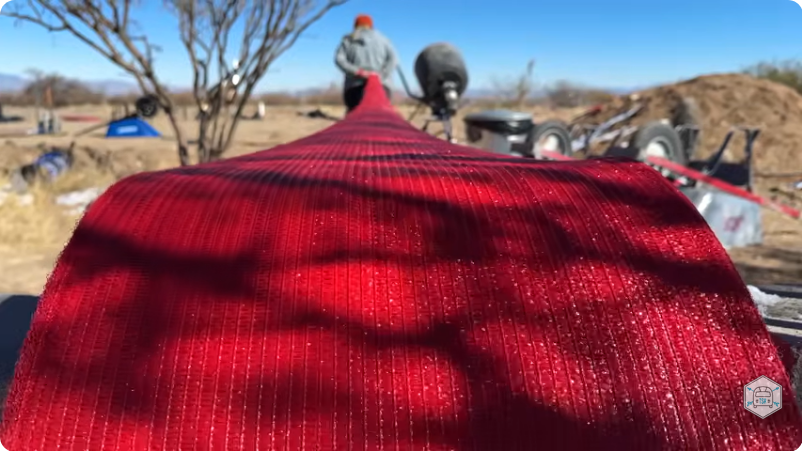 The method uses UV-treated raschel mesh, a knitted tube that can be filled in long runs and shaped into walls. Unlike closed polypropylene bags used in most earthbag systems, hyperadobe’s open mesh lets one layer of soil grip the next, which can reduce the need for barbed wire and make plastering easier.
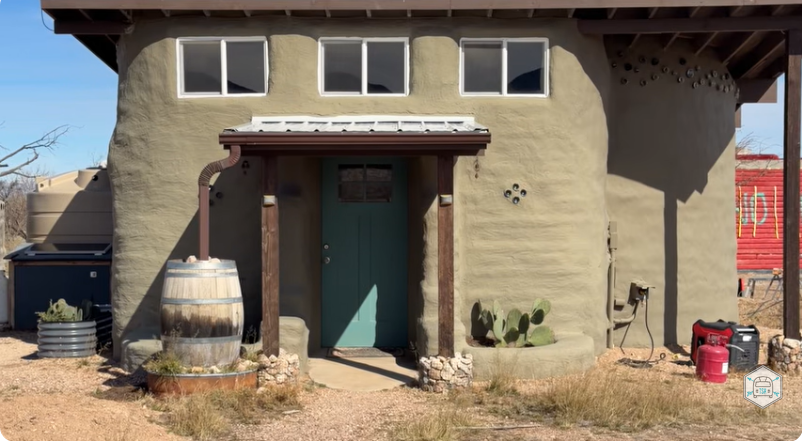 They have spent years experimenting with the method, building smaller structures before moving toward a 2,500-square-foot roundhouse for their family.
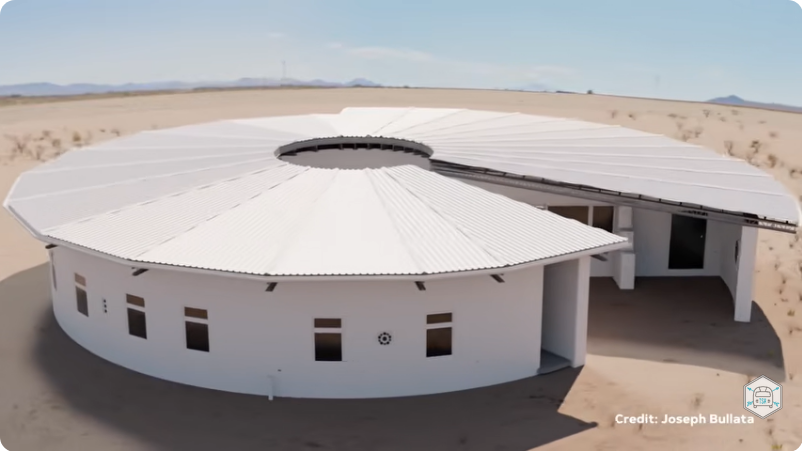
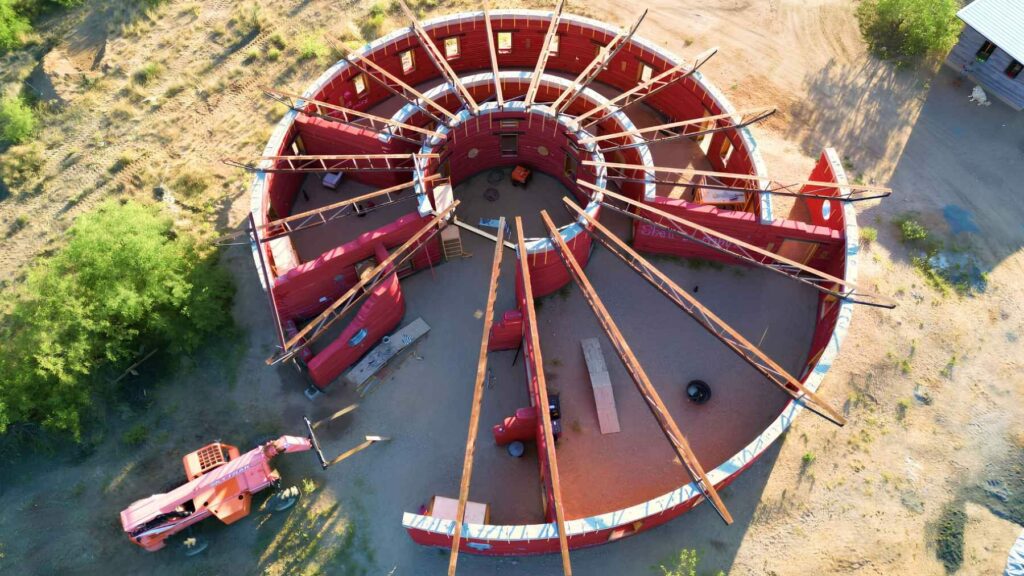 Building the roof was one of the most complicated stages of the build. Once the hyperadobe walls were finished, the family began work on a custom bond beam, metal roof structure, and panels. Their roof process includes a rebar cage, curved forms, a concrete bond beam, hurricane straps, recycled steel bar joists, and more than 250 C-purlins. The roof must shade the walls from that sticky desert heat, protect the structure, support future systems, and help collect rainwater.
 They say that drilling a well in their area was cost prohibitive, with a possible price of $70,000 or more, so the family focused long term on rainwater catchment while also hauling water when needed. At one stage, they used a 2,600-gallon water storage tank and hauled water in a 330-gallon tote from a nearby well share.
The family has developed solar-powered pump systems that provide pressurized water for mixing soil, washing dishes, drip irrigating more than 70 trees, showering outdoors, and even running a washing machine without bringing in grid power. Water catchment also depends on roof area, rainfall patterns, storage capacity, filtration, and the legal rules of the place where someone lives.
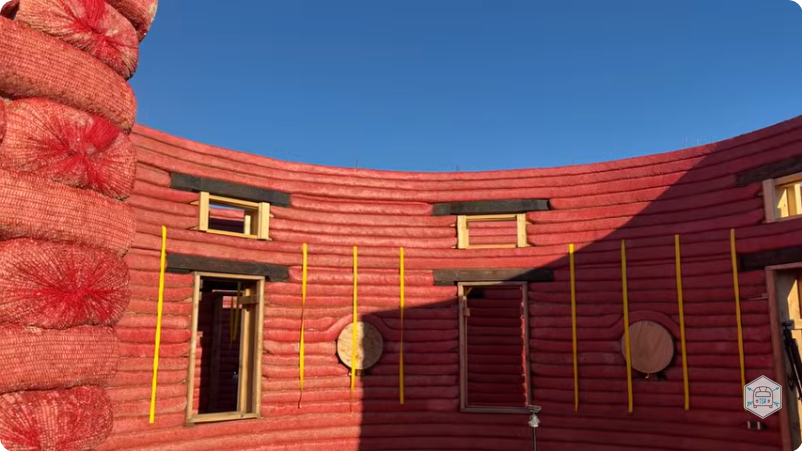 At the end of the day, the Longneckers’ desert home is less about escaping modern life and more about redesigning it. They still use technology, planning tools, metal roofing, pumps, internet, and video platforms, but they are arranging those tools around lower consumption and more family labor. In a time of rising housing costs, hotter summers, water stress, and growing interest in self-reliance, a hand-built desert home made of soil feels both ancient and surprisingly current.
You can watch a video about making this home at www.youtube.com
You can read the original article at www.ecoticias.com