Eight leading architects explain where their architectural ambition is heading. We explore how these buildings use less energy, generate power, support biodiversity, and respond to a hotter, more unpredictable climate.
For Norman Foster, environmental thinking is hardly new. He has explored energy, climate, natural ventilation, and resource efficiency since the practice’s early projects, when such considerations were far from mainstream architectural conversation. Every project begins by considering site, climate, and environmental conditions.
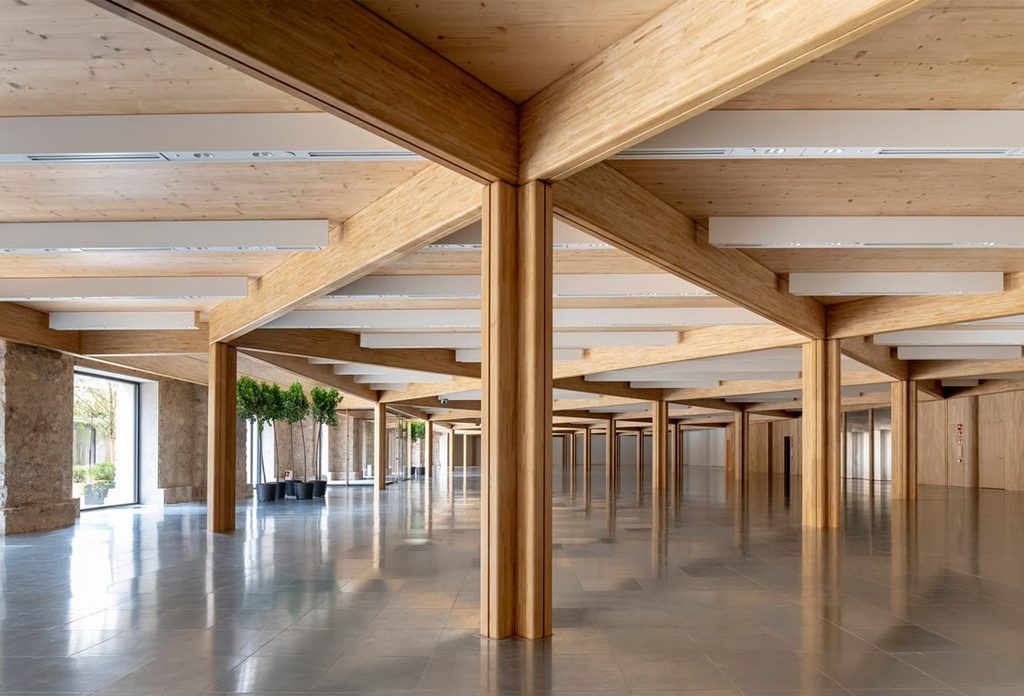 Ombú in Madrid retained a historic 1905 industrial structure rather than replacing it with new construction. More than 10,000 tonnes of original brick were conserved, while the project achieved a calculated 25 percent reduction in embodied carbon compared with a new build over the project’s full life. A future building may have solar panels, batteries and smart controls, but the most intelligent building could still be the one that needs less energy in the first place.
Kengo Kuma has spent decades investigating wood, bamboo, paper, stone, earth, fibre and other materials, often looking at how traditional techniques can be adapted for contemporary architecture. His practice describes architecture as a way of opening new relationships between nature, technology and human beings.
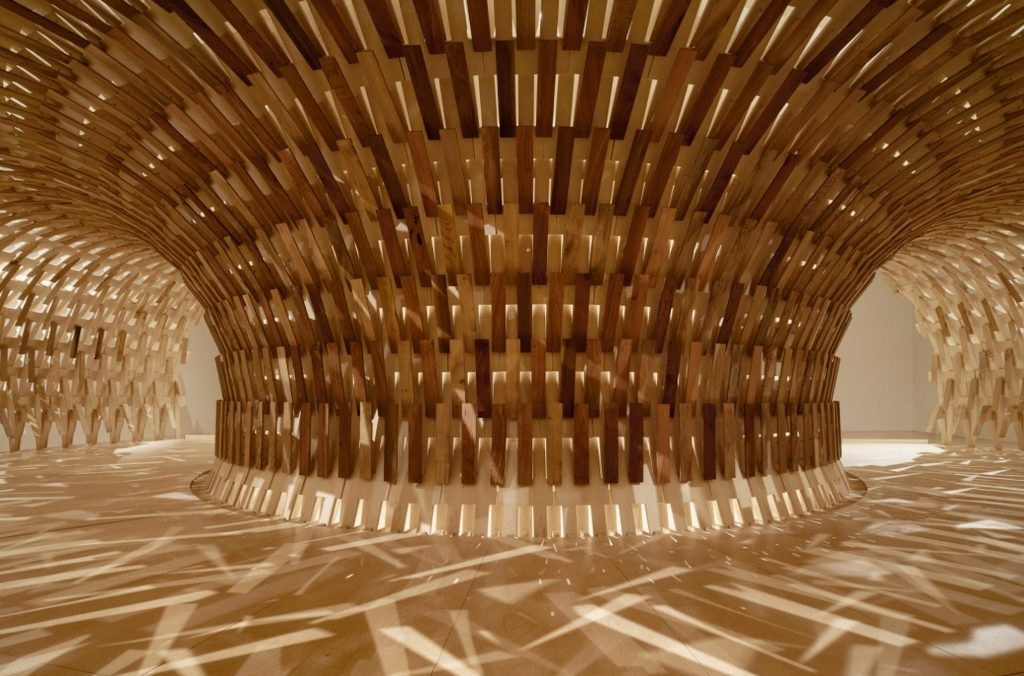 His approach is evident in the Botanical Pavilion in Melbourne, where timber felled from botanical-garden trees was transformed into an interlocking structure. The pavilion can be dismantled and reassembled elsewhere, making reversibility part of the design rather than an afterthought. The future material palette could be less about finding a fashionable “green” finish and more about asking where a material came from, how much energy it took to make, how long it will last, and what happens after demolition.
For Francis Kéré, in a hot climate, comfort can be as simple as standing beneath a deep roof while a breeze passes through an open classroom.
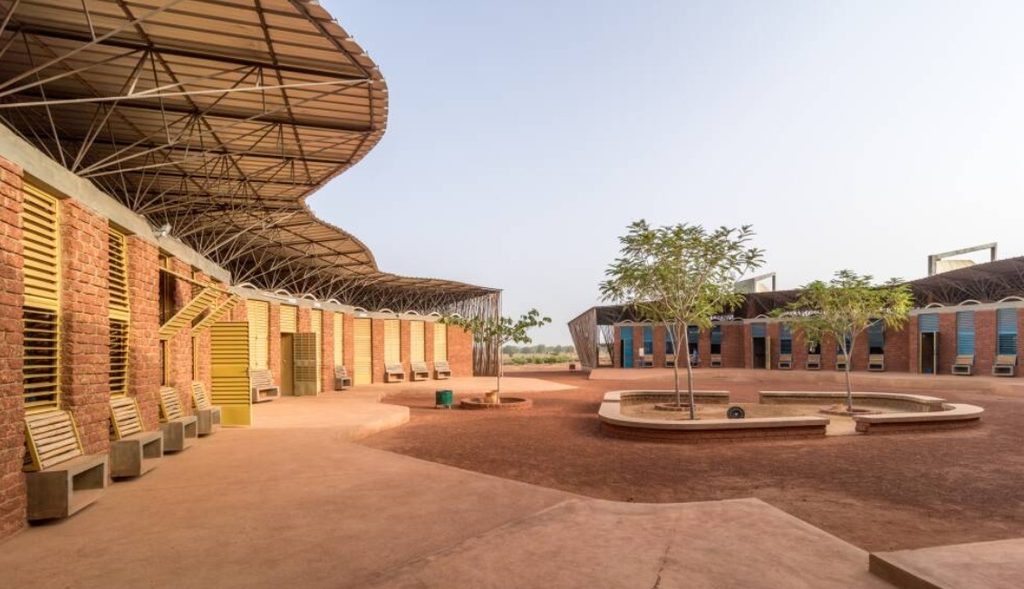 At Lycée Schorge Secondary School locally sourced laterite stone provides thermal mass, absorbing heat during the day and releasing it more slowly at night. A second layer of eucalyptus creates shaded spaces around classrooms, while wind towers help hot air escape. Kéré has described passive ventilation as fundamental to the work, explaining how airflow can create a sensation of cooling without mechanically lowering the temperature.
Shigeru Ban experiments with paper tubes and has developed structures used for disaster relief, temporary accommodation and permanent architecture. Ban’s current portfolio includes paper-tube structures, timber construction, bamboo systems and disaster-relief projects.
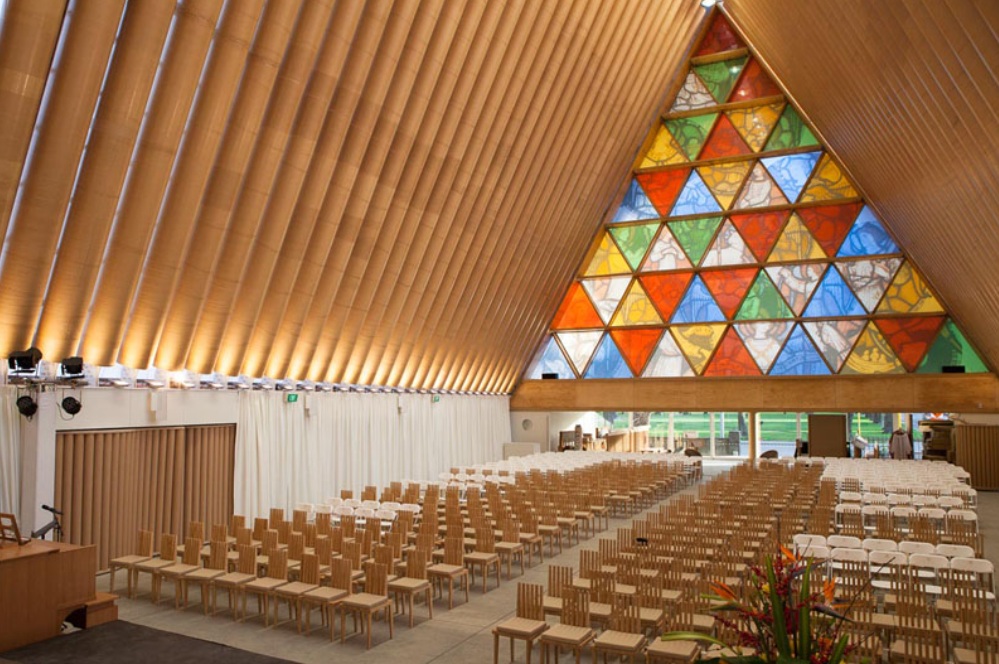 The Cardboard Cathedral in Christchurch, completed after the 2011 earthquake destroyed the city’s historic cathedral, uses paper tubes and shipping containers to form a 700-seat structure. Material innovation can mean lighter structures, renewable resources, reduced waste and construction systems capable of responding quickly to disaster.
With Stefano Boeri trees, plants, insects and birds become part of the architectural brief.
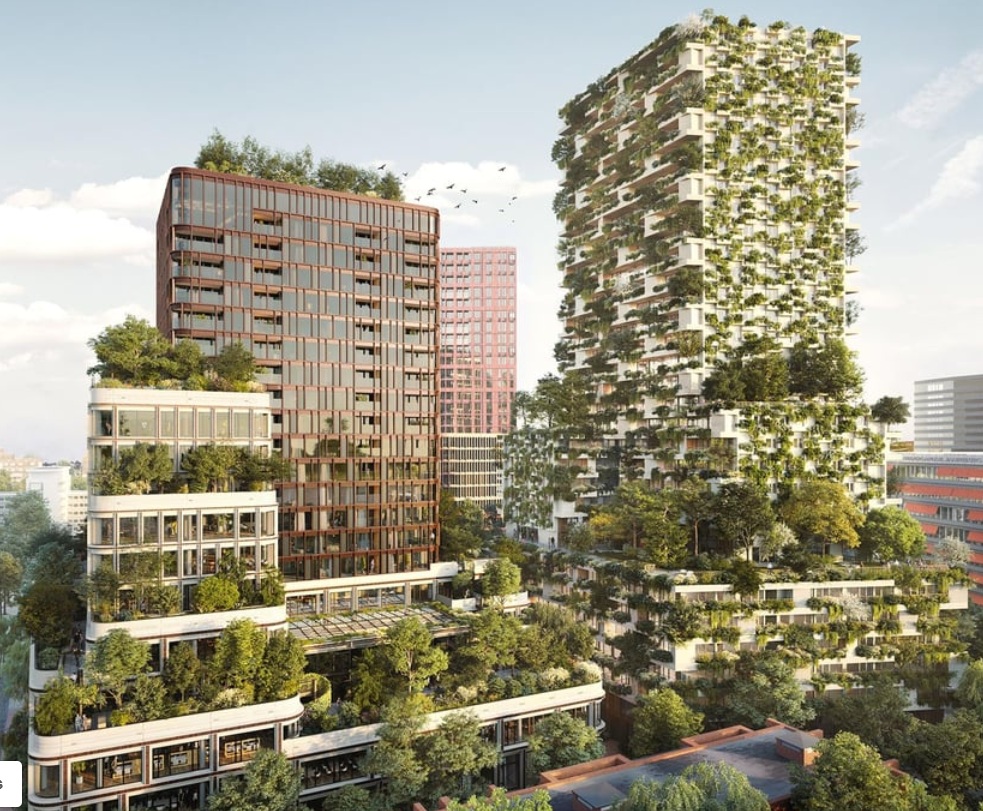 Wonderwoods in Utrecht contains around 360 trees and 50,000 plants representing 30 native species. Bird nesting openings form part of the façade, while rainwater collection and plant-monitoring systems support the vegetation. He states that the vegetation contributes to urban cooling, biodiversity, and a healthier microclimate. A future city could contain buildings that behave less like sealed objects and more like pieces of urban ecology.
Bjarke Ingels believes that environmental responsibility and enjoyment do not have to compete.
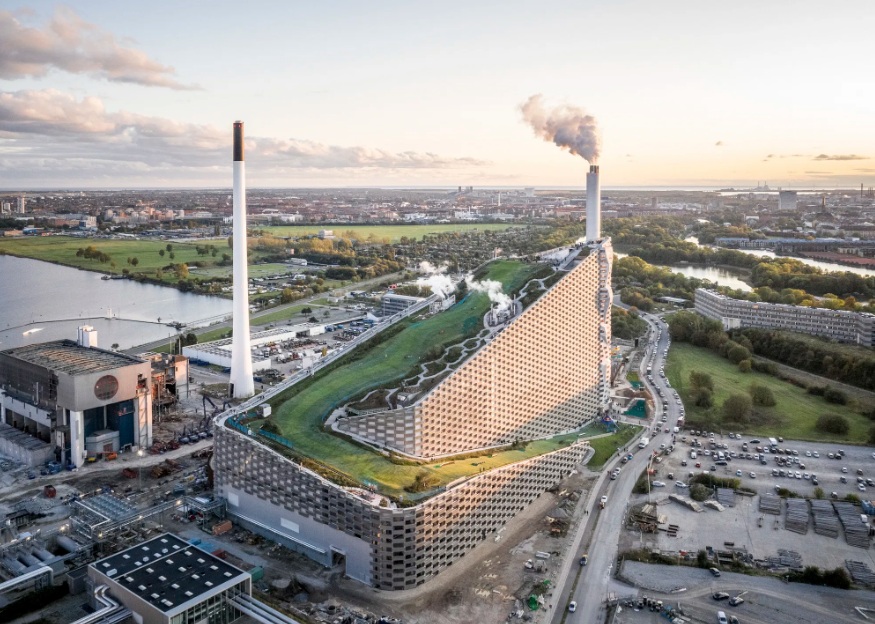 CopenHill in Copenhagen houses a waste-to-energy plant, yet the roof has been transformed into a public landscape with a 500-metre ski run, hiking trails, climbing areas and views across the city. The proposition is powerful because sustainability becomes an amenity, not a sacrifice. The infrastructure remains functional, while the roof gains a second life as public space. Sustainability becomes more compelling when environmental performance improves the experience of living: cooler terraces, cleaner air, greener views, walkable landscapes, energy independence and better access to outdoor space.
Jeanne Gang has developed bird-safe building strategies, rooftop prairie ecosystems and designs informed by ecological systems. He described architecture as a mediator between people, the environment and other species, a proposition that changes the role of a building from passive shelter to participant in a wider ecosystem.
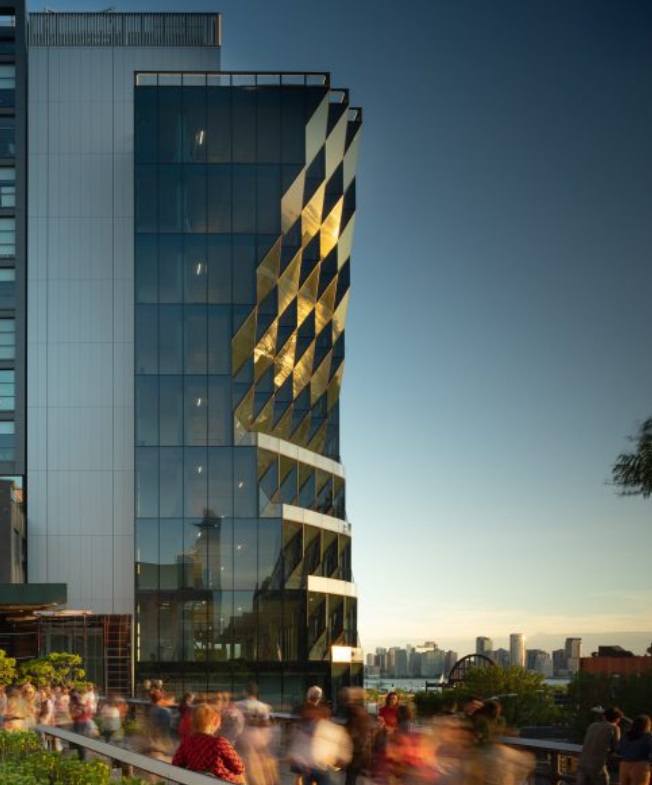 The ‘Solar Carve Tower’ in New York has façade geometry that responds to solar conditions and glass treatments that help reduce the danger of bird collisions. The future building therefore should create conditions in which other forms of life can continue to exist.
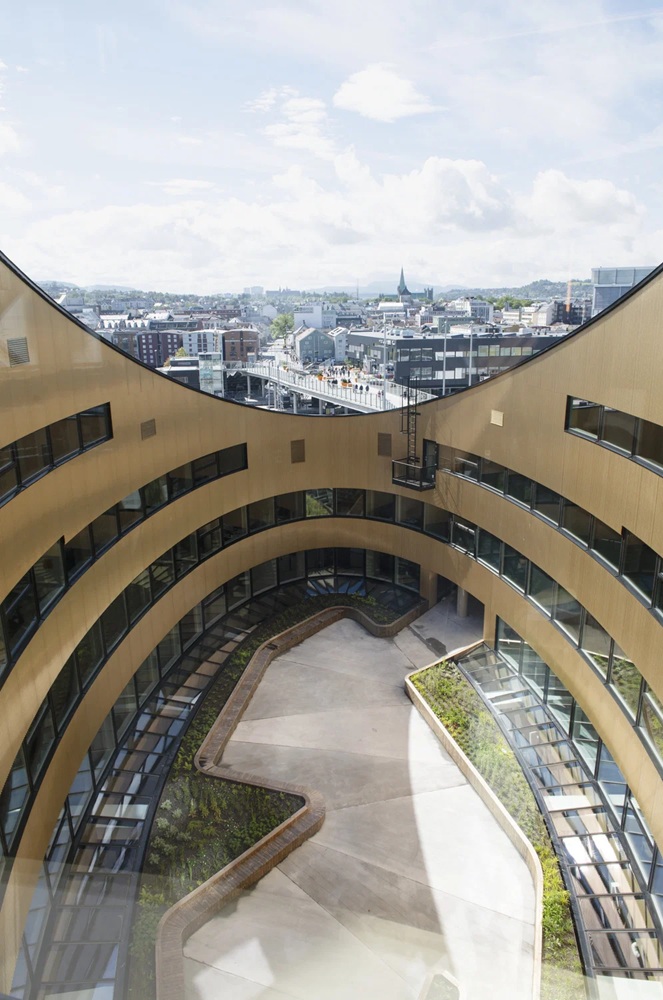 Snøhetta’s Powerhouse Brattørkaia in Norway was designed as an energy-positive building, meaning the project aims to produce more energy over its lifespan than it consumes during operation, construction, demolition, and material production. Almost 3,000 square metres of solar panels cover the roof and upper façade. The building combines solar generation with high levels of insulation, heat recovery, seawater-based heating and cooling, efficient appliances and thermal mass. On average, the building produces more than twice the electricity consumed each day, with surplus renewable energy available for neighbouring buildings, electric transport and the local microgrid.
A genuinely ambitious building may be quieter, use less concrete, retain an existing structure, shade a façade, catch a breeze, collect rainwater or provide habitat for birds. A roof may generate electricity. A wall may store heat. A garden may become part of the building’s environmental infrastructure. A material may have already existed in another building before finding a second life.
The eight approaches explored here are different, but the underlying direction is consistent. Architecture is moving away from the idea of the building as a finished object and towards the building as a living system, capable of responding to climate, resources, energy and ecology. The latest global data makes that ambition more urgent. Buildings and construction remain responsible for around 37 percent of global emissions, while nearly half of global material extraction is linked to the sector. The next great building may not be the one that dominates a skyline; it may be the building that quietly gives more back than it takes.
You can read the original qrticle at www.luxuo.com