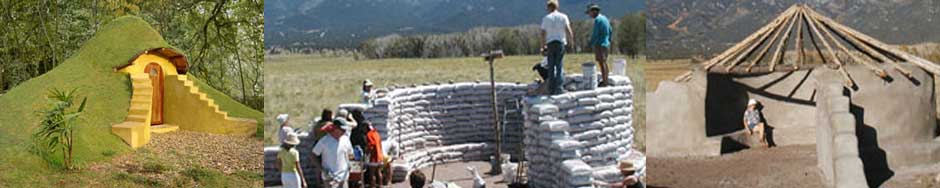
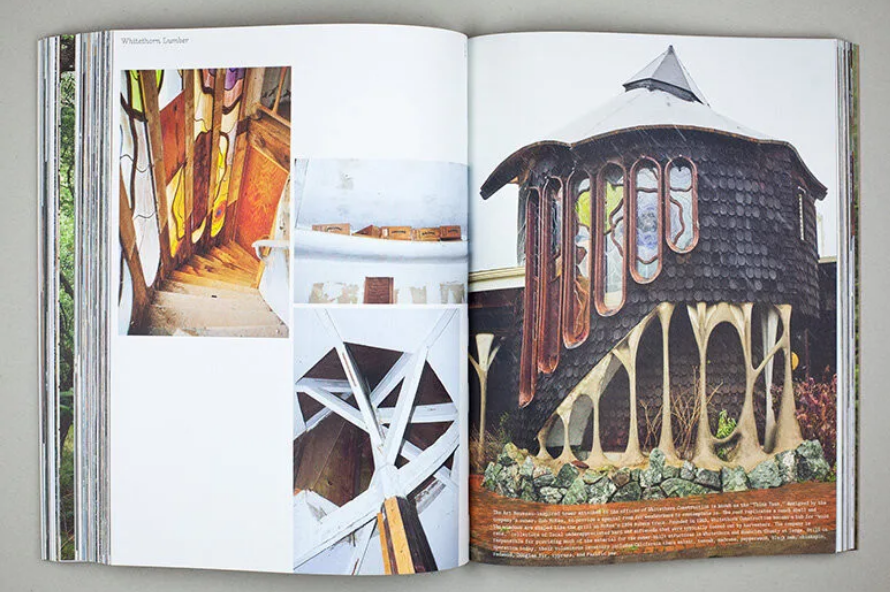
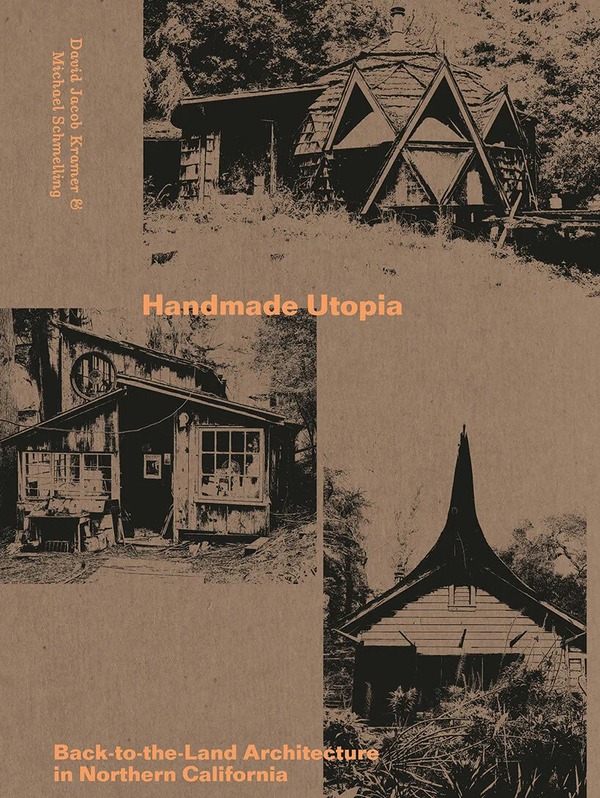
 In the late 1960s and 1970s, a significant exodus of young Americans left city life behind, journeying into the wilds of Northern California to construct self-sufficient homes and an entirely different way of living. Handmade Utopia: Back-to-the-Land Architecture in Northern California captures this transformative era through the lens of David Jacob Kramer and photographer Michael Schmelling. This book embarks on a journey through the region’s secluded paths and sprawling redwood forests, uncovering a generation’s radical take on self-sufficiency.
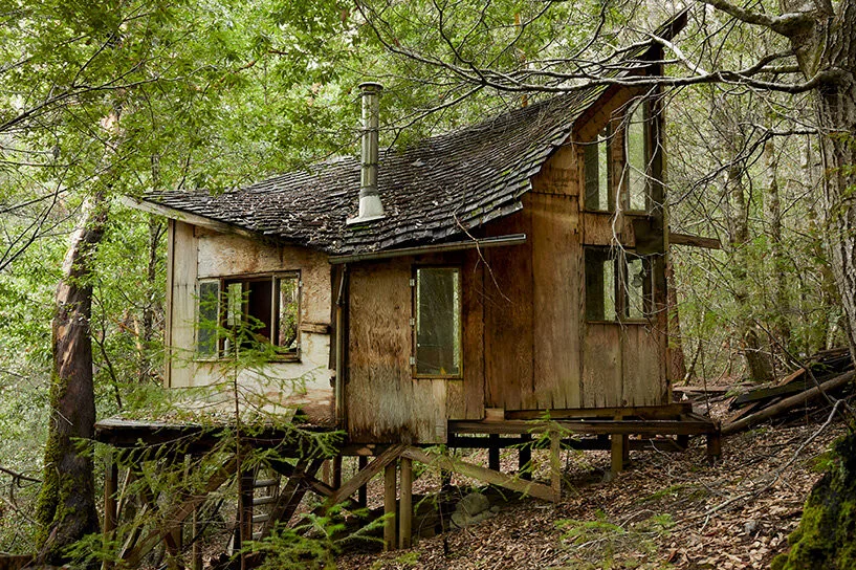 Fleeing urban constraints, these pioneers built their homes from available materials, embracing an entirely new lifestyle. Without the guidance of formal training, creativity became their guide, and ecological consciousness informed their architectural choices. Today, as thoughts around sustainability and alternative housing gain prominence, these dwellings show many possibilities.
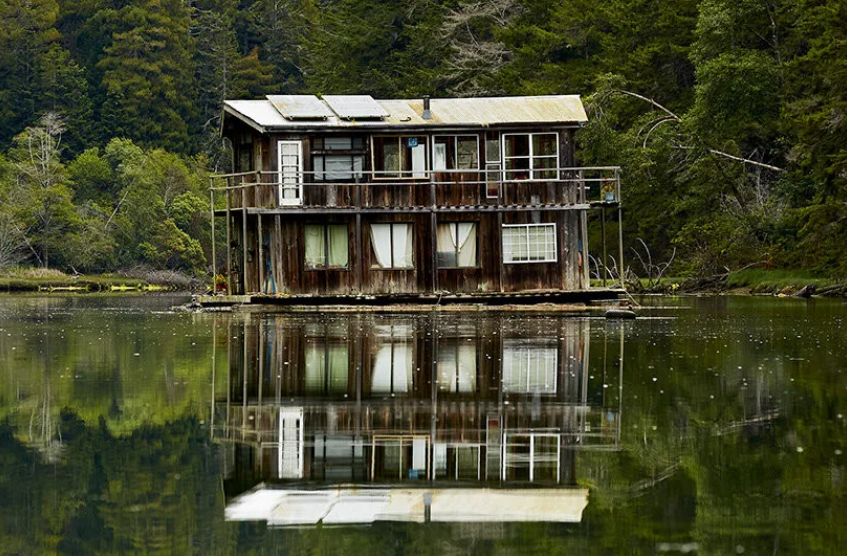 During the back-to-the-land movement, their crafted homes and rebel structures were against conventional norms, prioritized experimentation over market value. This approach, documented in Handmade Utopia, aligns closely with contemporary discussions on affordability and ecological impact in architecture, especially in the context of independent living solutions.
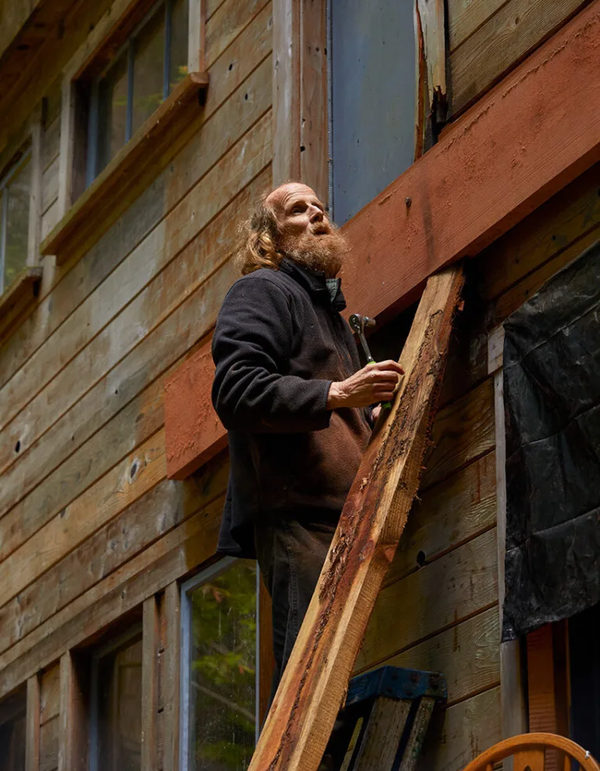 Kramer’s narratives, coupled with Schmelling’s photographs, offer a profound glimpse into this countercultural movement. They capture not just buildings but the stories of those who defied the norms, many of whom are now in their seventies and eighties. Their work tells of homes crafted with distinct personal reflections and clear environmental awareness.
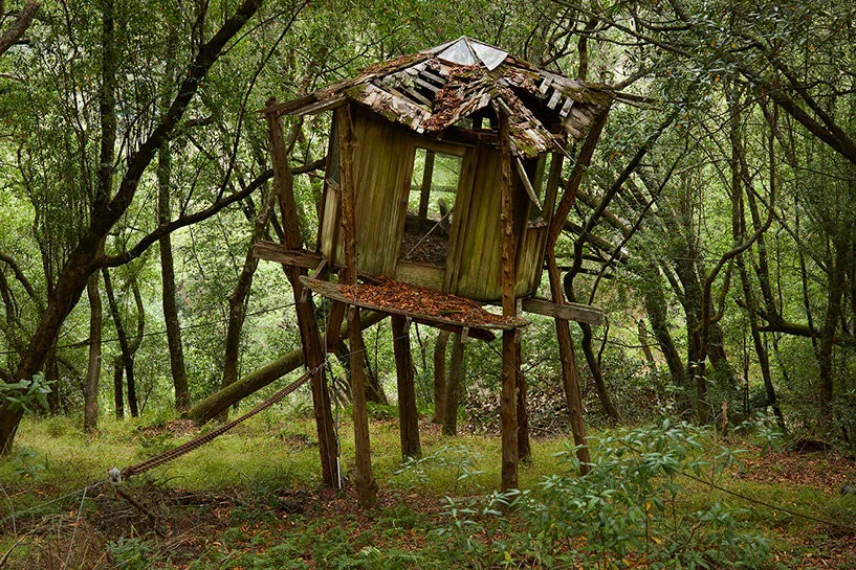 The structures are documented to preserve their legacy of resilience and innovation. As these unique homes face inevitable decline, the book memorializes them as artifacts of another vision of life.
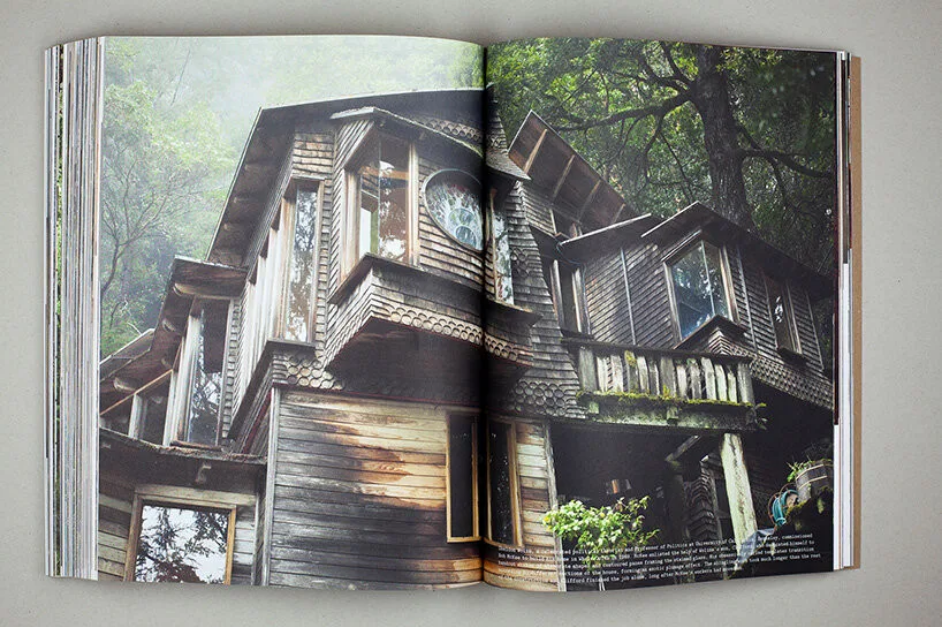 The socio-ecological insights provided are invaluable today. These improvised habitats demonstrate a yearning for simpler, yet thoughtfully constructed living spaces that relied on what the land offered. Their creators’ decisions ripple through history, inspiring a new appreciation for self-built, environment-harmonious habitats, ideally realized in such self-reliant constructs.
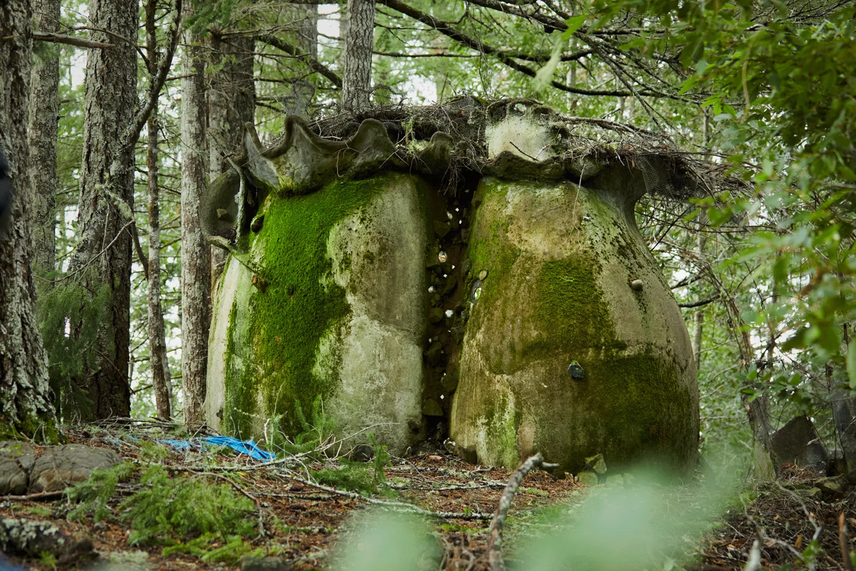 This 496-page exploration intertwines contemporary snapshots with historical context, illustrating both the vivid colors and the subtle textures of this movement. The efforts of those who forged new paths in Northern California echo in today’s architectural discussions, serving as a poignant reminder of achievable harmony between humanity and its habitat.
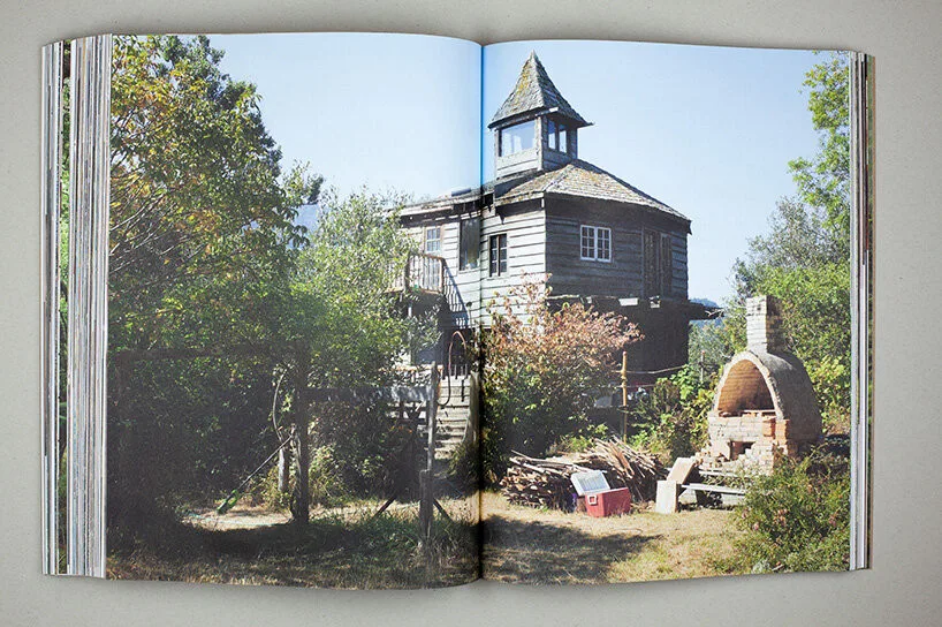 Handmade Utopia secures a vital chapter in the story of American homes and counterculture, offering insights as relevant now as they were groundbreaking then.
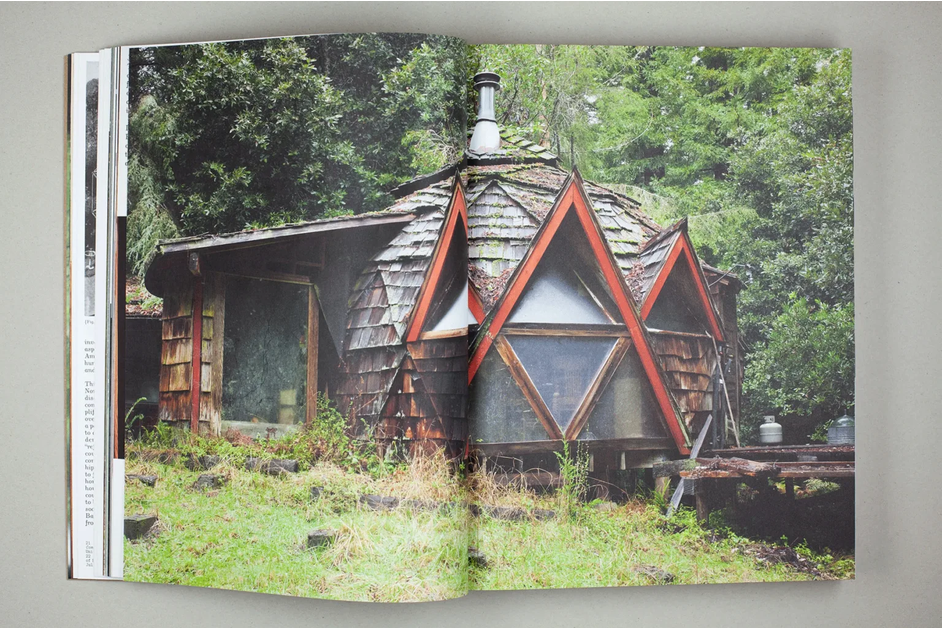 You can read the original article at freeyork.org