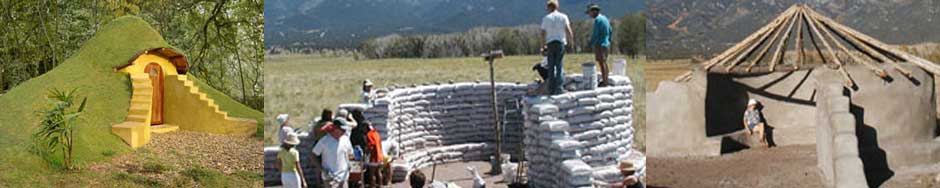
In America we build our houses with wood. It has been that way since settlers from Europe arrived and needed to clear forested areas just to plant crops. The forests were so vast, it was hard to conceive that the day would ever come when we have cut almost all of the original trees. Only about 2% of the virgin coastal forests now remain in North America; over 90% of the rest of our forests are gone forever.
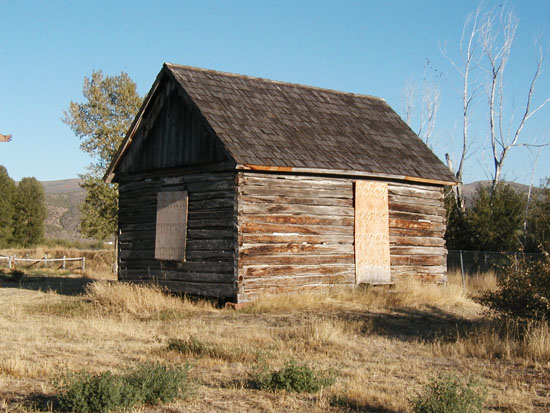 But wood is a renewable resource, right? We just need to plant more trees. The problem has been greed, an insatiable appetite for more wood, and lack of foresight. Timber companies, aided and abetted by the Forest Service, have gone after trees so voraciously that enormous ecosystems have been devastated, all across America (and in the rest of the world as well). Realizing that the source of their wealth is diminishing, the timber companies have finally started replanting trees in clear cut areas, but it is a hard go for the little saplings out there, baking in the sun.
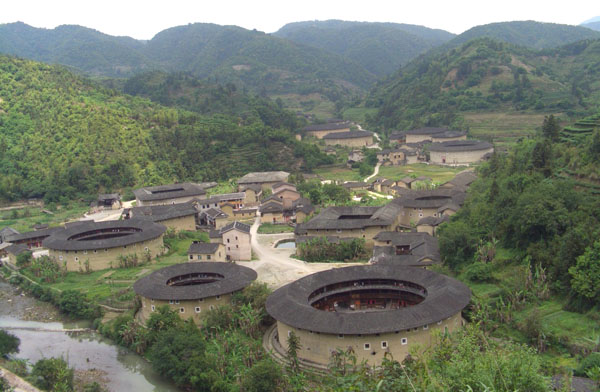 I received an email from Professor Sunny Cai, who teaches architectural design at a college in Beijing , China. He mentioned his interest in ancient Chinese architecture, especially the earthen buildings called “tulou,” and he sent me some pictures of these rammed earth buildings. I had never seen anything quite like them, so I queried him further about how they were made and used. He replied, “The foundation was built with rocks, 2 feet high all around. The juice of glutinous rice and some lime is mixed into the earth for strength, and then sliced bamboo, reeds, and sometimes pieces of wood are also used.”