We’ve talked about hot water coils (water jackets) for wood stoves in a previous blog post. This video by Geoff Lawton of Permaculture fame does a great job of showing his water heater design. See below for the link to his article with more details.
General
Best 2011 Instructables
My earthbag dome and earthbag roundhouse project have been selected for the Best of 2011 at Instructables.com. Also, Instructables.com has a new book coming out that will feature my earthbag dome building instructions.
Building Maintenance
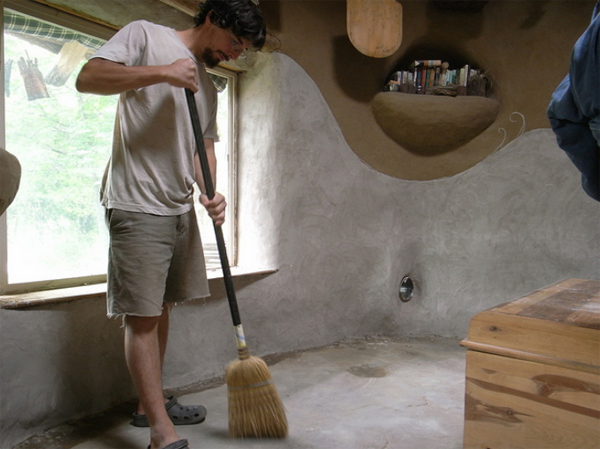
More excellent advice from Ziggy over at Year of Mud blog who’s busy building his straw bale/post and beam home.
“If you want to build a natural home, or any home, really, expect that you will have to perform building maintenance. I think that generally speaking, it’s nice to consider how to limit the maintenance necessary over the lifespan of the home. As with anything in this world, however, consider the issue of balance. Can you afford time to devote to maintaining earthen plaster potentially every other year, or would you rather use a more durable lime plaster, which can take the weather, but has more embodied energy, and is more expensive? It probably depends.
Building Stuff, Eco-Style
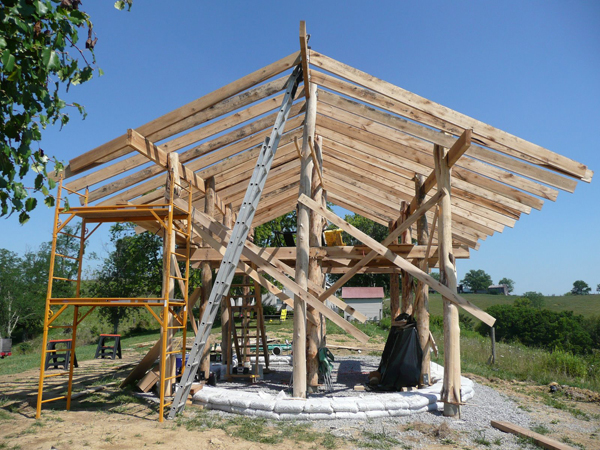
“First, let me introduce myself, for those of you who may have just stumbled upon this blog somehow. My name is Erin Finsel. I’m 19 and am just beginning my summer break before my Sophomore year at Berea College. I don’t know for sure, but I think I will be an independent Sustainability and Environmental Studies (SENS- I don’t know where the N comes from) major. My ultimate goal (as of right now) is to have a house, a garden, maybe a few chickens and a really nice cat.
Update on Rex’s Pallet House in Texas
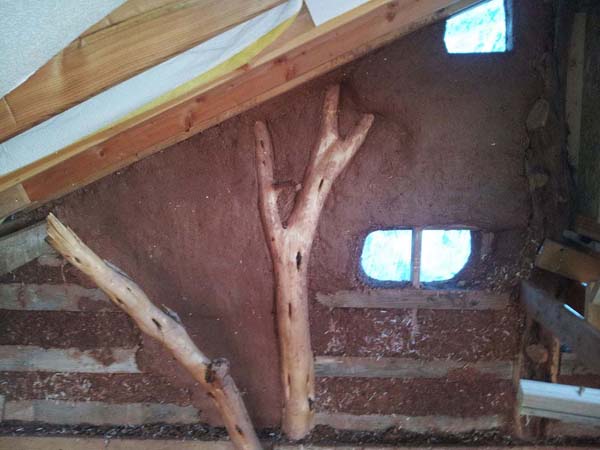
This is an update on the pallet house in Texas that we reported on earlier. The ultra-low cost is what really caught my attention and kept me following their progress. The latest cost estimate is around $4/sq. ft. Now that is dirt cheap!
Enough Wind to Power Global Energy Demand 20x
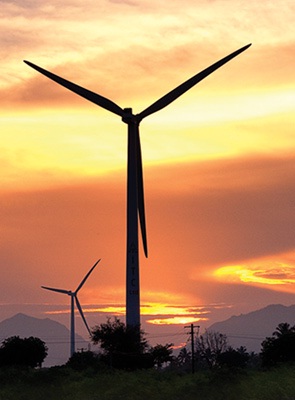
Near-surface winds could provide more than 20 times today’s global power demand
There is enough energy available in winds to meet all of the world’s demand. Atmospheric turbines that convert steadier and faster high-altitude winds into energy could generate even more power than ground- and ocean-based units. New research from Carnegie’s Ken Caldeira examines the limits of the amount of power that could be harvested from winds, as well as the effects high-altitude wind power could have on the climate as a whole. Their work is published September 9 by Nature Climate Change.