Homeowners, architects, builders, and policymakers have begun to recognize that they have the capacity to not just reduce environmental impact but also to improve quality of life and long-term cost savings. Achieving sustainability in this context involves consideration of everything from design innovations, materials, and energy efficiency to water conservation and changes in life styles.
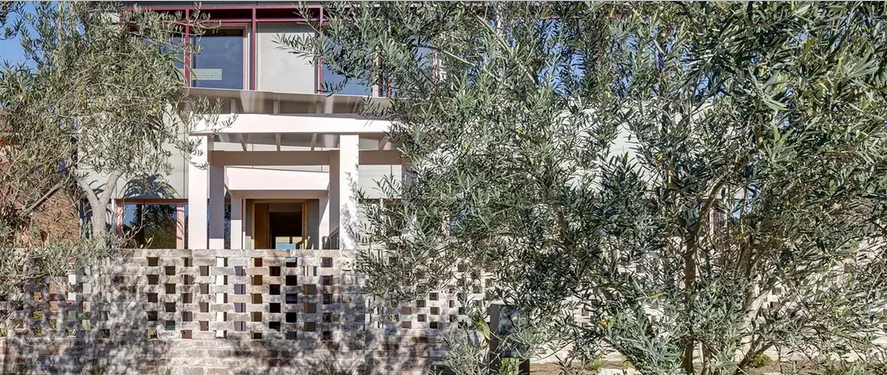
Passive design principles are increasingly influencing single dwelling construction. Features like double-glazed windows, the inclusion of thermal mass materials, and well-insulated walls and roofs help maintain comfortable indoor temperatures year-round. Blinds, curtains, and shading systems (such as eaves and pergolas) provide protection from the summer sun. Together, such approaches can help maximize energy efficiency and contribute to healthier and more comfortable living spaces.
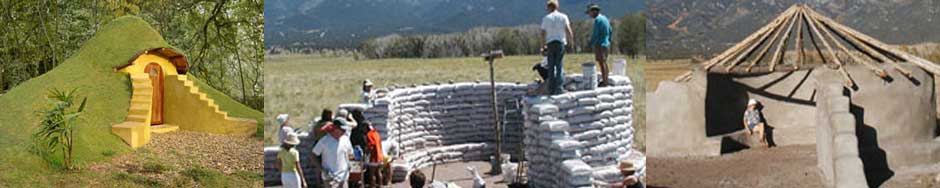
The use of sustainable and low-impact building materials, such as recycled timber, bamboo and rammed earth, is also on the rise. Locally sourced materials are becoming more popular, as are low VOC paints, sealants, and adhesives. Also, because they allow for precise material usage and create less onsite debris, prefabricated and modular construction methods are now acknowledged as excellent ways to reduce waste.
The integration of energy-efficient systems and renewable energy sources, like solar panels, has become more common. Many homes are now equipped with battery storage systems, which empower residents to harness solar energy during the day and use it at night. The use of energy-efficient appliances, LED lighting, and smart home technologies help minimize electricity consumption.
 Smart home technologies are revolutionizing sustainability in single dwellings by enabling real-time monitoring and control of energy and water usage. Home automation systems can optimize heating, cooling, lighting, and appliance operation based on occupancy and weather conditions. At the same time, associated mobile apps allow homeowners to track consumption patterns and identify opportunities for further savings.
Water conservation can become a central focus in sustainable single dwellings. Rainwater harvesting systems are increasingly installed to supply water for gardening, toilet flushing, and even laundry, reducing dependence on mains water. Greywater recycling systems filter and reuse water from showers, sinks, and washing machines for landscape irrigation. Efficient plumbing fixtures, such as low-flow taps, dual-flush toilets, and water-efficient washing machines, help further cut water consumption. Landscaping choices, including native plants and drought-tolerant gardens, also play a role in minimizing water use.
Local councils often provide rebates for solar installations, rainwater tanks, and energy-efficient upgrades. Building codes and standards are increasingly mandating minimum energy performance, water efficiency, and material sustainability. Community groups and online platforms offer resources, workshops, and support for homeowners looking to adopt sustainable practices. Together, such collective efforts are critical in accelerating the transition toward greener homes across Australia.
You can read the original article at www.architectureanddesign.com.au