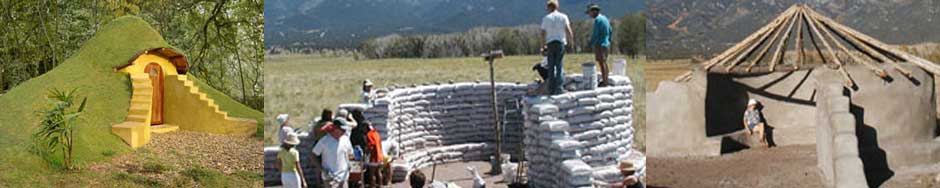
Food forests are the most productive agriculture system in the world. They have the lowest labor and highest yield. Food forests produce more food, medicinal plants, fiber, building materials, fodder, spices, herbs, flowers and other beneficial plants per square meter than any other farming method. Imagine how much work goes into tilling, planting, spraying and weeding row crops such as corn every year. In stark contrast, food forests are virtually self-sustaining once established. They’re also less vulnerable to pests and swings in weather.
green building
RV Living
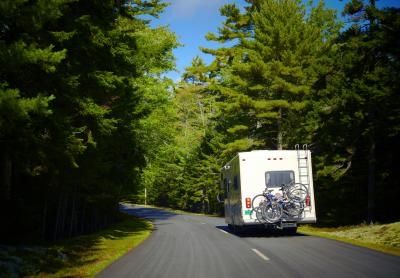
We try to cover a broad range of topics about low cost, sustainable living. One option is RVing – living in Recreational Vehicles. The cost of RVs has dropped substantially over the last few years from what I hear and so this may be something you’d like to look into. You can live in an RV while you build your home (and be mobile in the duration), or live on the road.
Modified Raised Bed Gardening with Wood Chip Trench Composting
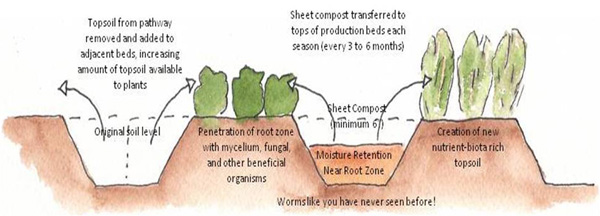
“A major issue in sustaining vegetable production is maintaining high soil quality in the face of common practices that work against it. Vegetable growing often involves intensive tillage, cultivation, exposure of almost-bare soil to the sun and rain for long periods, and heavy traffic from people and equipment. All of these practices tend to destroy soil organic matter and soil structure while increasing soil compaction.
The Napoleon Complex Tiny House Village
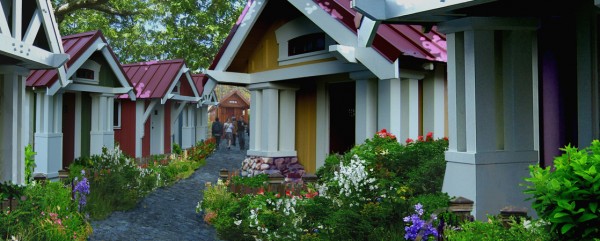
I tried to describe my dream ecovillage the other day in Tiny House Ecovillage in a Fruit Orchard. That story was just fantasy, of course, but Jay Schafer of Tumbleweed House Company is planning the real deal – a tiny house ecovillage in northern California. Here are a few tidbits from his new website Four Lights Houses.
Muddome Home Nearly Complete
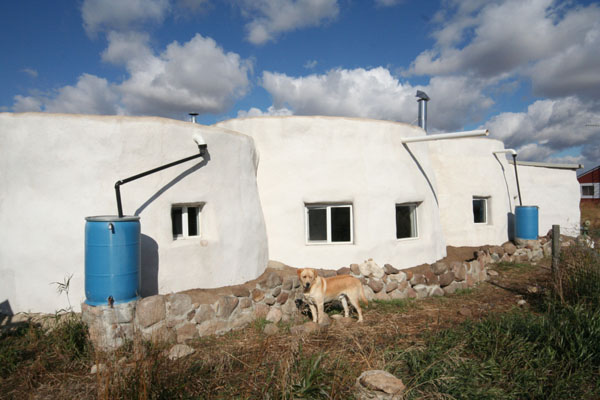 View from the front. The rock retaining wall is for a garden. It runs the length of the house and will be about 2.5 feet tall.
This post is from the Muddome blog:
A Practice Earthbag Building Project
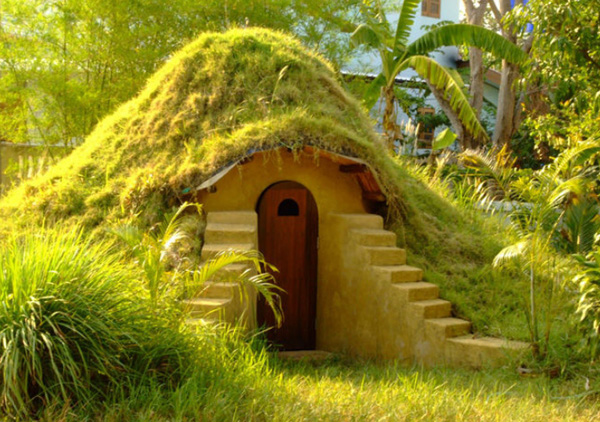
“If you are considering the cheapest simplest way of building your own home with natural materials, earthbag construction could be the best way to go. For the most part you will be filling bags with dirt and stacking them. In the August/September 2009 Mother Earth News, they ran an article on this small earthbag project which needs no building permit and would be great practice in the earthbag technique or even cob, rammed earth with tires or adobe.