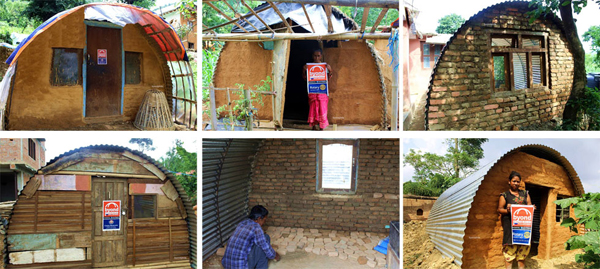
As everyone knows, there’s a huge need for low cost shelters in Nepal. One of the most popular designs is the type shown above that’s being used by Byond.org. Shelters like these are fast and easy to erect. It’s interesting to see the wide variety of uses and building details. The recipients finish the end walls using their choice of materials. People are using recycled brick, adobe, wood, stone and bamboo to close the ends at minimal expense, as well as using recycled doors and windows. Details include porch roofs, vent gaps at top of end walls, benches. Some people extend the shelters to include outside laundry and baths. Free metal roofing from the government can be used on these shelters.
Nepal
Gabion wall using Christchurch earthquake recycled bricks
“Gabion1 supplies gabions to Town Ball which uses Christchurch earthquake rubble and demolition bricks to fill the gabion baskets.”
SuperAdobe Earthbag Tiny House Time Lapse
“A time lapse showing the construction of a SuperAdobe earthbag tiny house! Brought to you by Happen Films, in association with the Simplicity Institute.”
Advantages Galore to Earthbag Building
I’ve had the pleasure to meet and train several hundred builders, architects and engineers in earthbag building techniques in Nepal. Even though I’ve been researching, working with and promoting earthbag building heavily since the Asian 2004 tsunami, it still amazes me how practical and efficient it is to build with earthbags. Here’s just a brief list of advantages that many people are not aware of.
Buttressed Earthbag Corners With Rope Ties
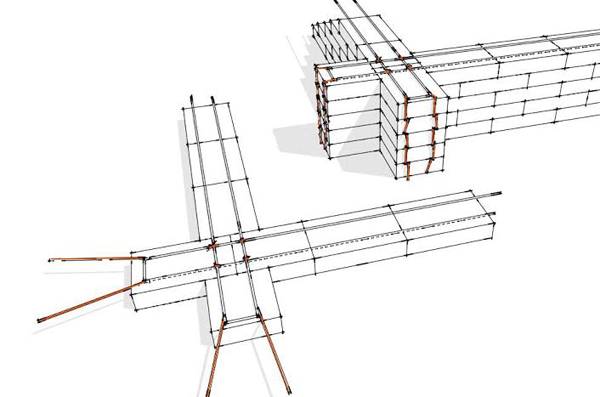
Patti Stouter of Build Simple.org has another great idea for reinforcing earthbag walls at low cost in earthquake zones. For context, please see the blog post from last week called Low Cost Village Housing for Nepal and note how the corner is built.
Culturally Sensitive Disaster Response Work
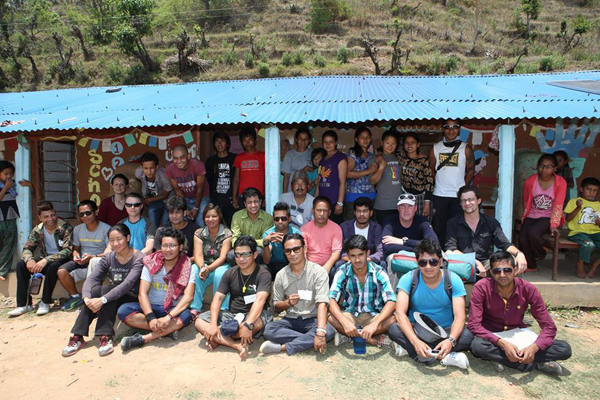
I had a great talk the other day with a freelance journalist who travels and documents things such as the earthquakes in Nepal. One of our common concerns is how NGOs, and foreigners in general, respond to disasters. Aid work is fraught with well-intentioned people and innovative solutions that often go terribly wrong. Remember the emergency food dropped to war refugees by US military planes? It was unrecognizable to them and so they ended up feeding most of it to their animals.