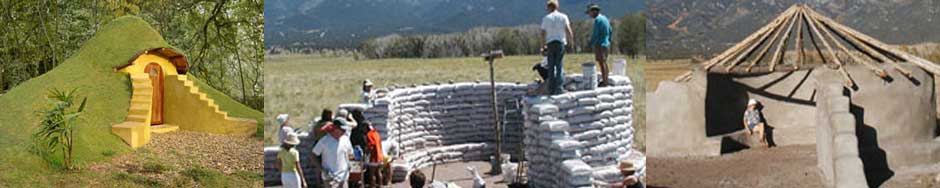
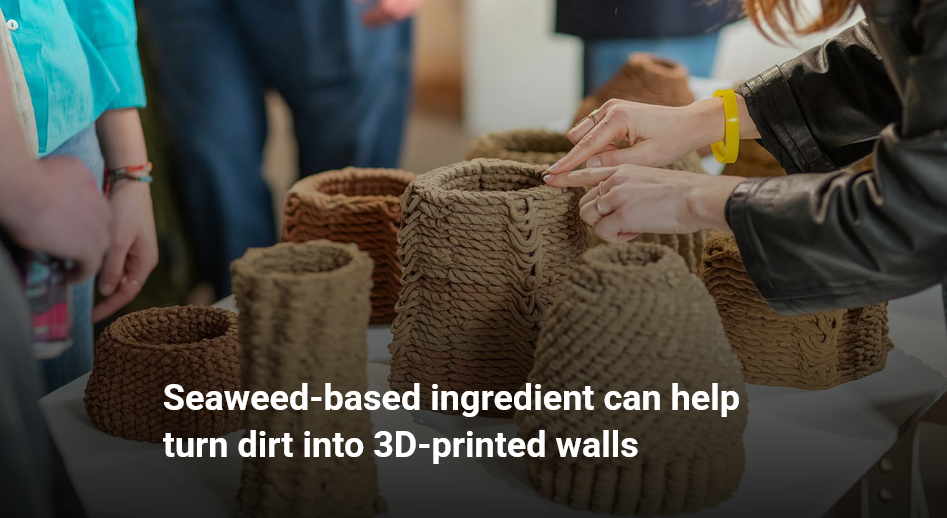
An ingredient that gives ice cream a creamier texture could make natural earthen materials like clay and sand easier to 3D-print into durable structures, according to scientists at the University of Colorado Boulder.
In nature, termites construct towering mounds. Wasps build intricate nests, and honeycomb worms create reef-like structures along coastlines. Rather than relying on cement, these organisms use biopolymers, which are large biological molecules that act like glue, often found in saliva, to bind natural materials like soil and clay together.
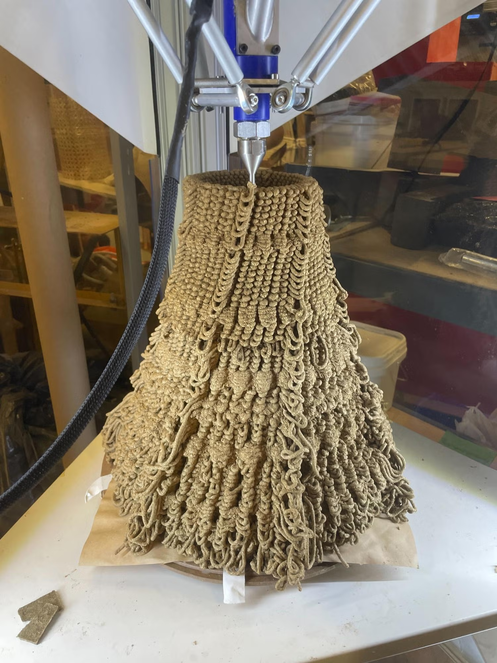 The team tested five biopolymers, including legume-derived guar gum, locust bean gum and cassia gum. These compounds are commonly found in food products like salad dressings to keep oil and water from separating. They also studied sodium alginate, derived from seaweed, and xanthan gum, produced by fermenting sugar.
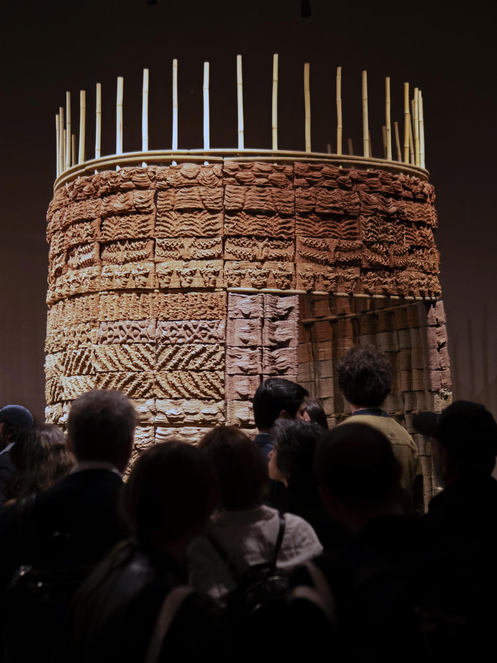 Sodium alginate changed the electrical charges on clay particles, causing them to repel one another, similar to how the same poles of two magnets push each other away. As a result, adding sodium alginate to clay and sand produced materials that allowed the particles to suspend in a stable mixture while still flowing smoothly through a 3D printer.
They added just 0.12% of sodium alginate, which produced a material that was both strong and printable. It could withstand 25% more pressure than earth without the biopolymer and could be printed 33% faster. Using this formula, the team printed an 8-millimeter-thick (0.3-inch) wall that leaned outward at dramatic angles. They found that the structure could remain stable even when tilted to 60 degrees, far steeper than the Leaning Tower of Pisa.
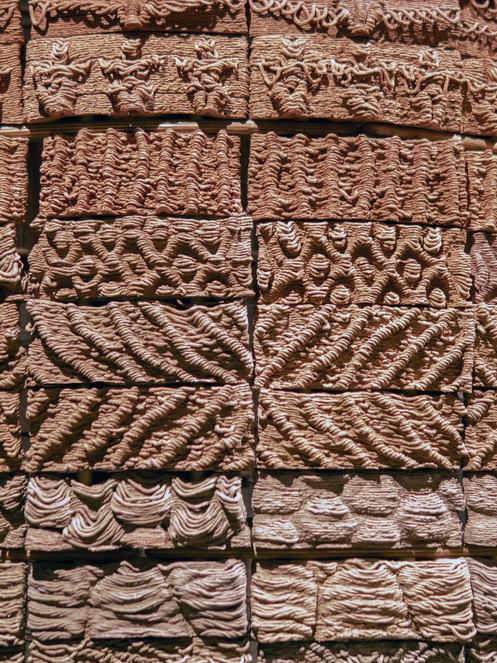 There are some good indoor environmental benefits of having earth in a building; it can regulate indoor moisture and uptake air pollutants. It can also serve as thermal mass, keeping things cool in the summer and warm in the winter.
Construction projects often generate large amounts of excavated soil when workers dig foundations, basements, or parking structures. Their study suggests that there are ways to reuse waste earth material onsite, and that could largely reduce the environmental footprint of construction.
You can read the original article at www.colorado.edu