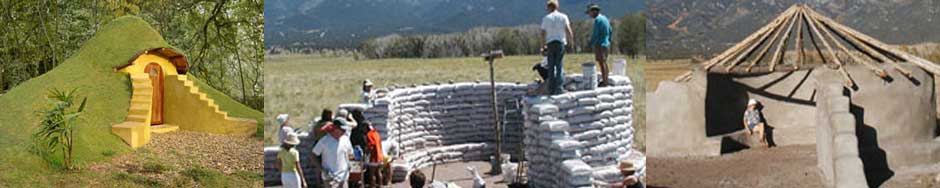
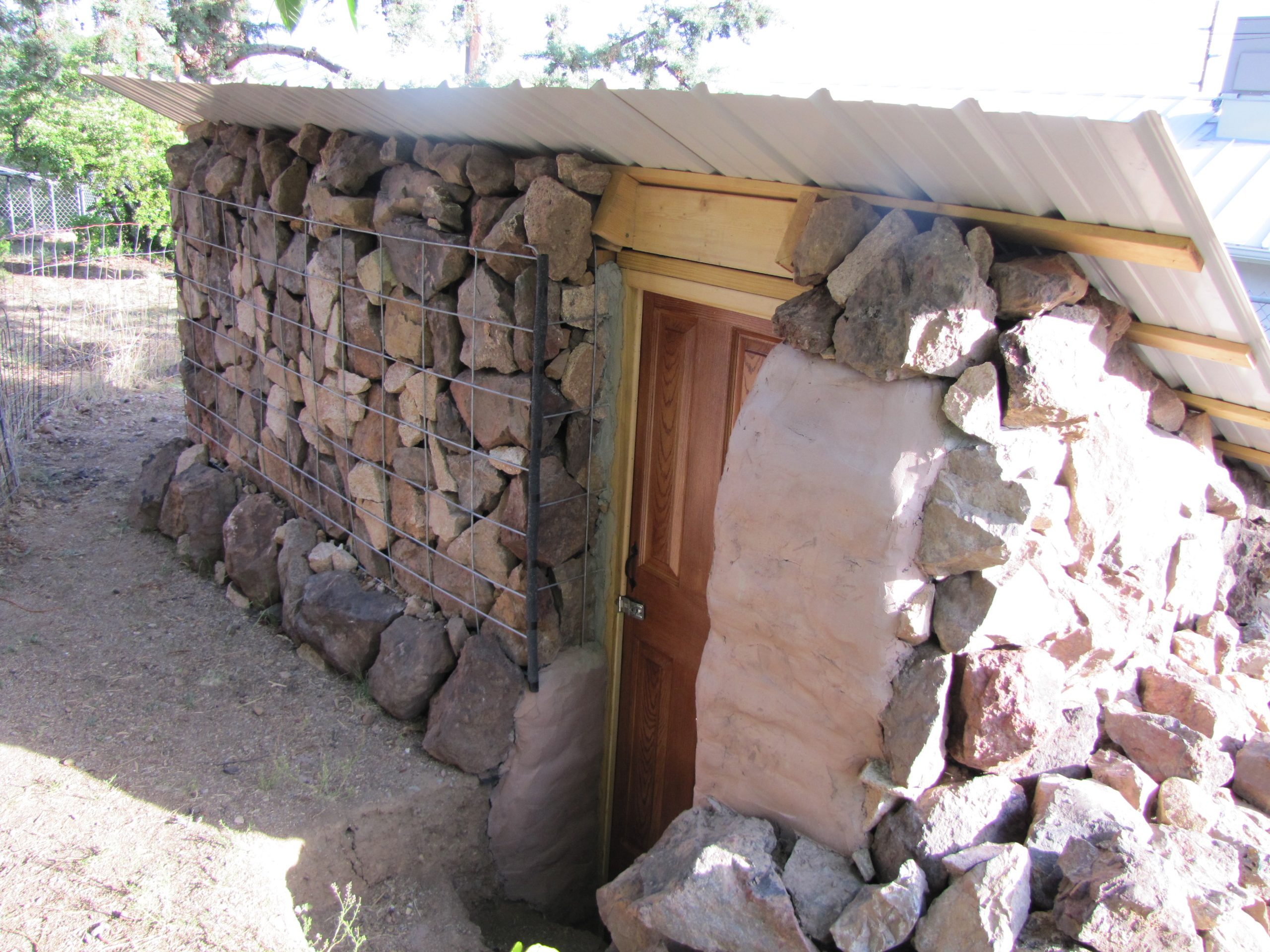
A root cellar may sound like a relic from another era, but it’s still one of the most effective ways to store homegrown produce without electricity. Its naturally cool, humid environment can keep everything from onions and potatoes to apples and winter squash fresh for months, helping you enjoy your harvest long after the growing season ends. A root cellar is an underground or partially underground storage space that may be built beneath a home, in a basement, into a hillside, or as separate outdoor structure.
Experts recommend choosing a well-drained location close to the house and designing the space to maintain consistent temperatures, proper humidity, and good airflow. The temperature in a root cellar should be above 33 degrees Fahrenheit, but below 40 degrees. This sounds simple enough, but your climate can make it more complicated.
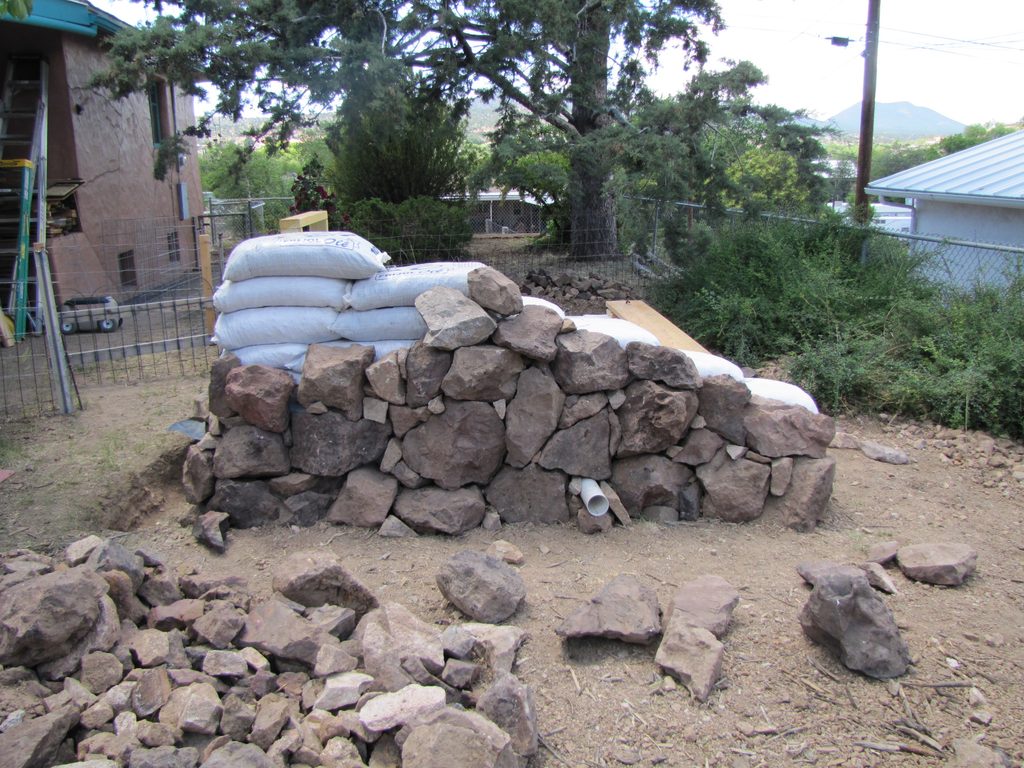 Earth sheltering provides insulation from seasonal temperature swings. Proper insulation above ground, limited winter heat gain, and good ventilation all help maintain stable temperatures. In cold climates, you may need to close off any vents to prevent crops from freezing. 2 to 3 feet of dirt on the roof will keep the cellar from freezing. If you live in a particularly hot climate, then a root cellar may be tricky to construct, as the ground temperature may simply be too high.
Your root cellar should have a humidity level between 85 and 95 percent, which will prevent vegetables from shriveling and losing moisture. An exposed dirt or gravel floor allows moisture to move from the soil into the air. Storing produce in damp sand, sawdust, or wood shavings can also help maintain moisture around certain crops. If the conditions you live in are dry, then dampening the floor or placing shallow pans of water in the cellar may help.
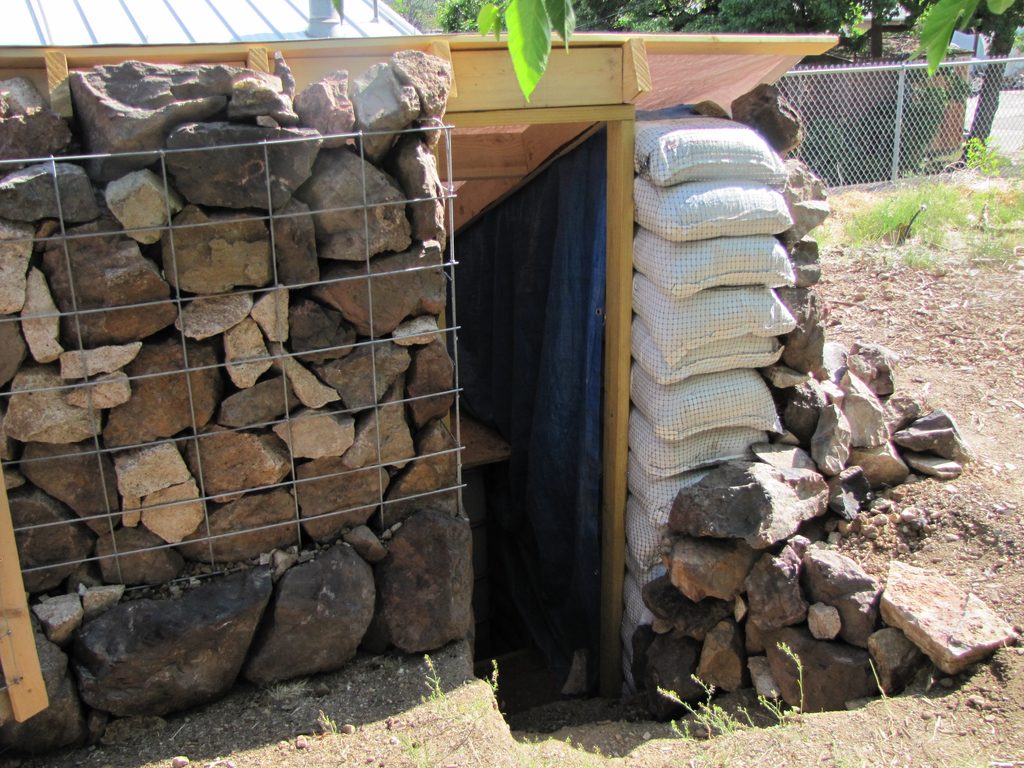 However, keep in mind that different vegetables prefer slightly different humidity levels. So if you can separate crops based on their preference, you’ll see the best results. Keep onions and garlic on higher shelves in the root cellar, while potatoes and other root vegetables get stored closer to ground level, where it’s cooler and moister.
Your root cellar needs proper ventilation in order to keep your fruits and vegetables healthy. It removes excess heat, controls humidity, reduces condensation, and allows gases produced by ripening fruits and vegetables—particularly ethylene—to escape.
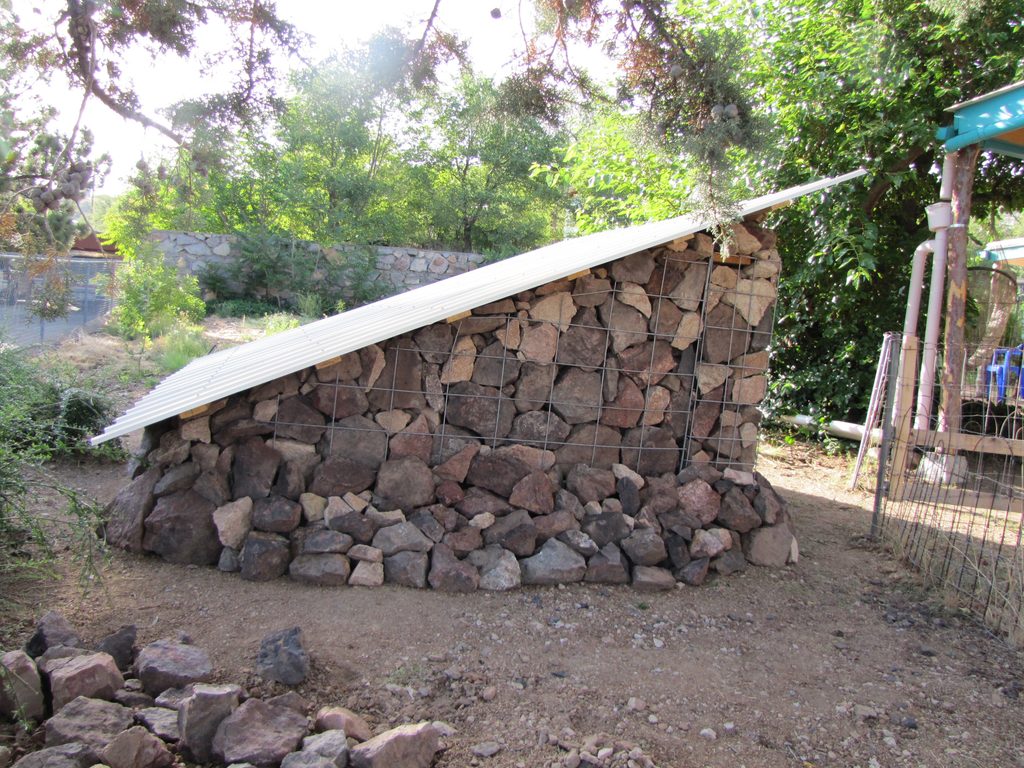 Cool, dark conditions like those found in root cellars are also perfect for mold. Ventilation helps mitigate this risk. Two vents: a low-intake one that draws in cool outside air, and a high exhaust vent that allows warmer air to escape naturally. However, make sure to cover any exterior vent access with mesh to keep rodents at bay.
The lights should only be turned on when you’re in the root cellar, as darkness helps preserve your stored crops. Placing switches near the entrance and providing enough illumination to safely inspect produce and rotate stock is a good idea.
 You can read ghe original article at www.marthastewart.com