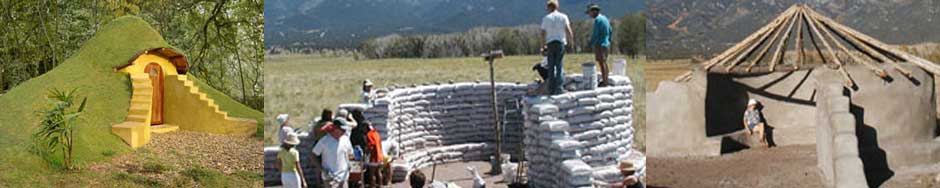
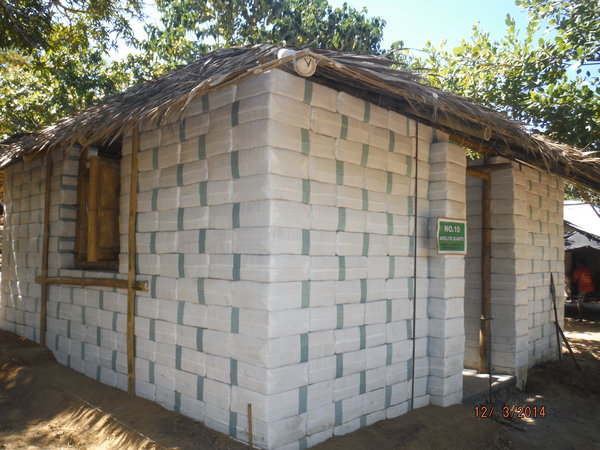
I recently visited an incredible earthbag project in the Philippines. The earthbag houses are in Barangay Lajala, a coastal barangay near Coron that was devastated by super Typhoon Yolanda last year. About 90 percent of the houses in Barangay Lajala were completely destroyed while the other 10 percent were partly damaged. This is the largest earthbag project of its kind and so I will be posting numerous stories to document as many details as possible. They use a different earthbag method than anyone else. See below for details.
affordable housing
Dirt Cheap Housing: Escape the Matrix
Richard’s and Maggi’s blog post the other day about rice hull houses could become one of our most popular articles. It reminds me of a simple strawbale house that someone built 20 years ago to “get through university”. It worked so well that the owner/builder ended up living there about 10 years.
Culture Unplugged Housing Videos
A Good Home Forever “A Good Home Forever” shows the amazing possibilities of Retrofitting, taking an ordinary suburban ‘box’ and converting it into a good, practical, livable home forever.
Appropriate Technology Sourcebook: Housing and Construction
“It is not so much ‘how to build’ as ‘how to choose techniques and materials appropriate to a given situation.’ ”
—letter from a volunteer in Papua New Guinea
Interns Wanted for International Aid Work
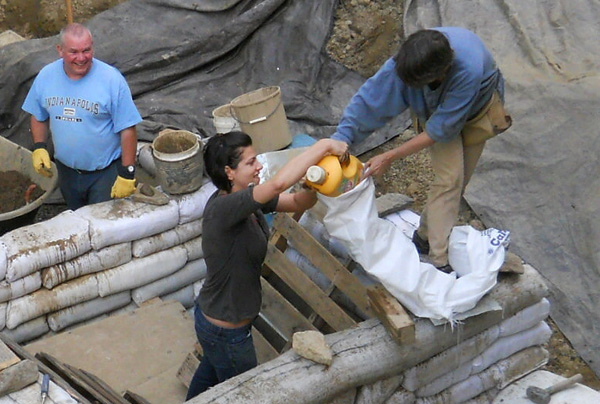
“Who learns skills for free? Interns who assist aid organizations.
Learn and serve in the US only or here and overseas as well. Build Simple Inc. offers free training in construction and design of geo-textile buildings like earthbag and straw wattle or techniques like Ubuntu-blox that use agricultural waste or plastic trash.
Two weeks of training near Albuquerque, NM is being scheduled for early July, with repeat dates in September. Help BSI to advance building knowledge about alternative techniques while you learn. Builders, photographers, building designers, and service team leaders can all contribute needed skills. Engineers and engineering students are especially needed to test structures- ask about donating a day or getting involved in an ongoing study.
Adelia’s House
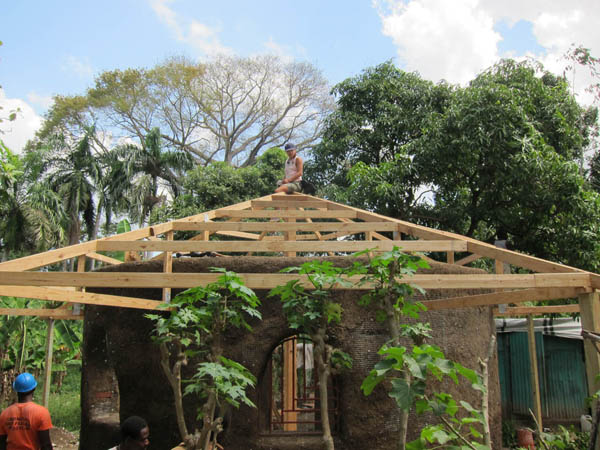
“In meetings with the community, getting feedback about the two completed constructions, and trying to decide on next steps forward, we learned that the super adobe style of building (soil stabilized with cement), although designed to be an affordable answer to the problem of durable housing, was still economically out of the reach of most people in Haiti, owing to the incredibly inflated cost of building materials.