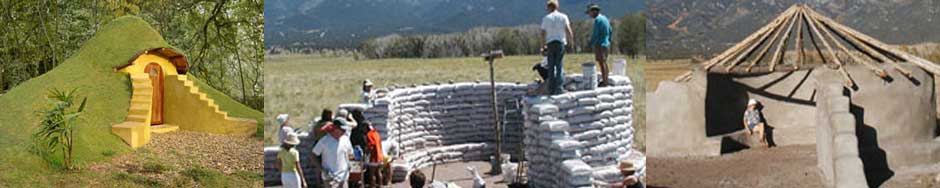
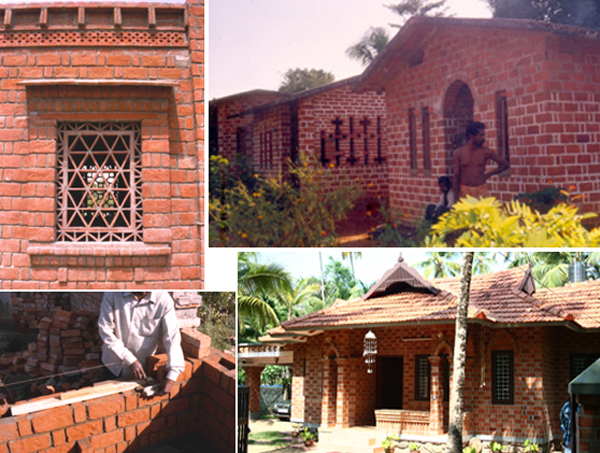
Do you have a sustainable building network in your area? If you do, it will make the process of building with alternative materials much easier. These networks pull together all sorts of key information to guide people through the building process. Here’s an example of a sustainable building network I stumbled across in India called the Rural Housing Knowledge Network (RHKN)
affordable housing
Low Cost Disaster Resistant Housing Package for SE Asia
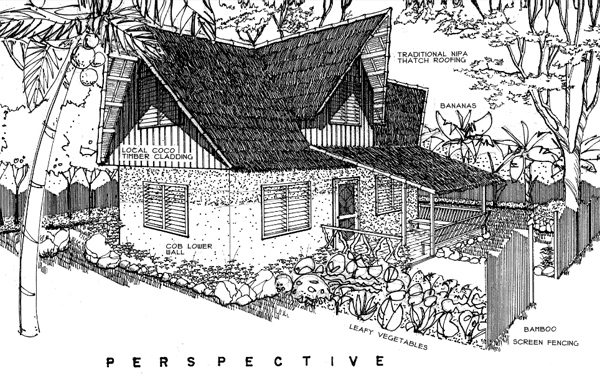
“This open source Information Package is in response to the great, unmet demand for safe and affordable housing in a region prone to earthquake, tsunami and typhoons. After the recent Typhoon Haiyan EBS has decided to upload this disaster resistant low cost housing solution for SE Asia as open source information.
Laurie Baker: Poor Man’s Architect
“A biography of inspiring British-origin Indian architect Laurie Baker who pioneered cost-effective energy efficient beautiful and simple architecture in India in mud brick and local materials… after meeting Gandhiji he decided to stay in India and build for the masses.
Patti Stouter’s Straw Wattle Dormitories
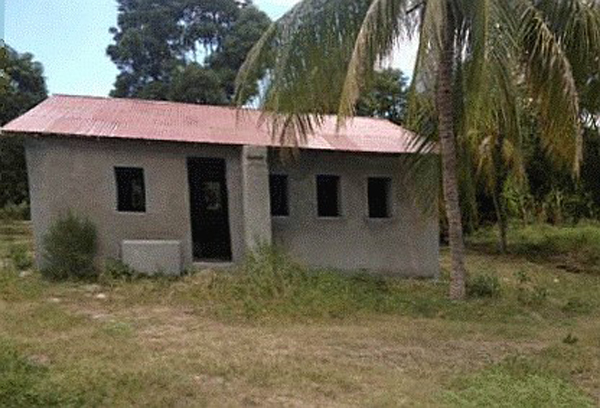
“My Haitian friends with HCDP have built 3 dorms of straw wattle on earthbag base. We sized them to fit the most beds possible, and to add 2 short tents between them so that they could accomodate the most beds possible for occasional classes. Although the reports all say that peasants are very resistant to learning improved agriculture from anyone, Haitian-born HCDP director Gueston Pacius seems to be changing that.
The Barefoot Architect — A Review
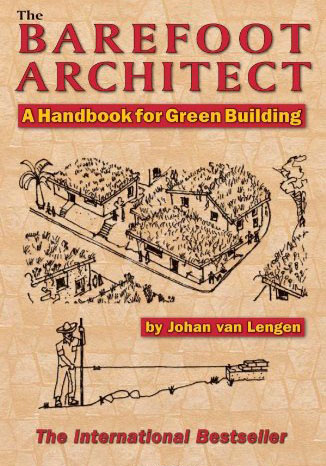 This is the first English edition of The Barefoot Architect by Johan van Lengen, originally written in Spanish, published in the 1980’s and distributed widely in Mexico and throughout Latin America. Shelter Publications made this new edition available in 2008 because of the relevance of the content to our current times.
Peter Cowman – The Shelter Maker
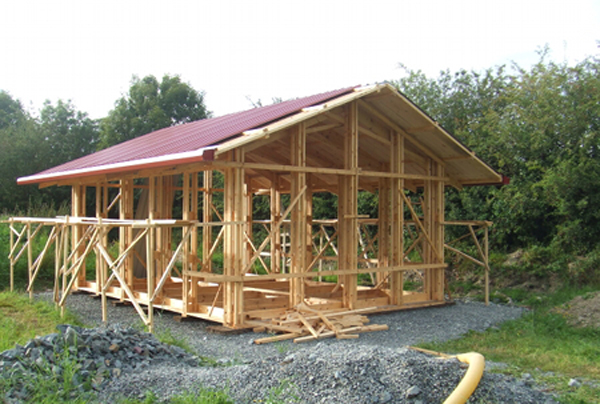
“The structures that Cowman helps build are an extension of the humans who he helps to build them. As he says, each of us have boundaries, just like houses. But beyond the physical self, a home should also reflect the intuitions and dreams of its occupants: Cowman calls this invisible architecture. The design process, it is stressed, begins the moment we imagine our ideal; in other words, when we dream. Homes, he says, quoting Jung, are an extension of oneself and one’s desires. But in order to dream effectively, we must first get in touch with our own lives.