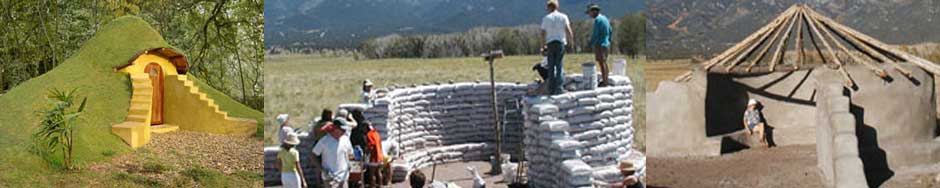
“Seven years ago Diana and Michael Lorence moved to a 12-foot-square home without electricity in the coastal mountains of Northern California. They’re not back-to-the-land types- they’re not growing their own food, nor raising animals-, but, like Thoreau, they were looking for a place where they could get away from the noise of society and focus on their inner lives. For nearly 30 years they have lived in tiny houses, often in guest homes, though their current abode is the smallest and most fitting their needs. It was designed by Michael based on their experiences living in nearly 20 tiny homes across the country before finally settling here.”
eco friendly
SuperAdobe (Earthbags-Earthsleeves)
Permaculture is an ecological way of thinking and designing human interactions for resilient, sustainable living.
2013 Editor’s Choice – Fine Homebuilding Houses Awards
“This year’s EDITOR’S CHOICE award goes to a house that embodies a host of our favorite elements. It’s personal—a home years in the making that will nurture its owner’s passion for the arts, cooking, and wine-making for decades. Designed by architect Tina Govan, this heirloom house is built to harvest water and power from the sky, conserve energy within its state-of-the-art masonry walls, and present for centuries a sturdy defense against the inevitable hurricane churning up the Carolina coastline.”
Popoyo
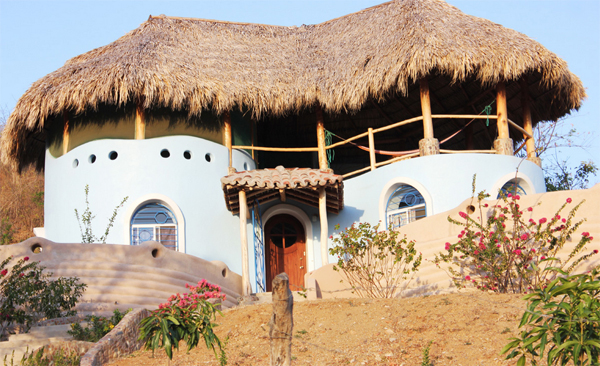
“Structurally speaking, the arch and curved walls create a much stronger building system. Just look at how long roman aquaducts have withstood time. By keeping the walls curved, you eliminate the need for costly rebar and concrete.
Adobe Block Floors
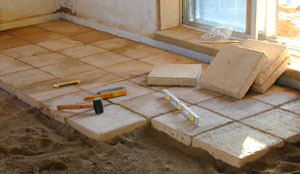
Readers often ask our advice about the most practical floors for do-it-yourselfers. If you’re building your own sustainable home, I suggest building floors on grade. This eliminates the need for posts, beams, floor joists, subflooring, toxic glues and other materials used to build typical wood framed floors.
Roman seawater concrete holds the secret to cutting carbon emissions
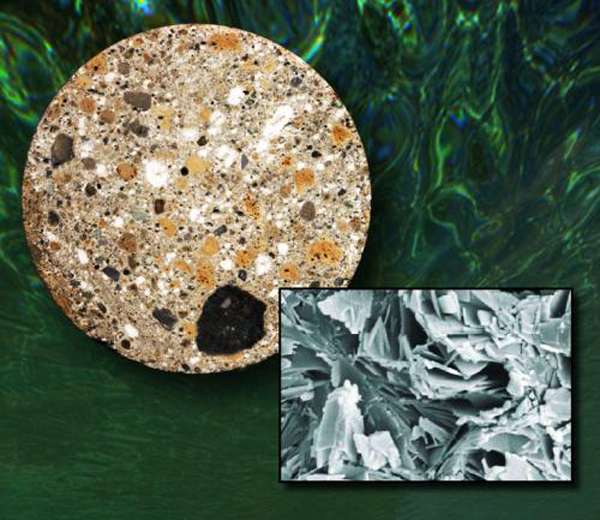
This discovery shows how to make stronger, longer lasting concrete with far less energy. A green type of concrete like this could replace Portland concrete, which is viewed negatively by many due to its adverse environmental impact.