We appreciate stories from readers who document their projects and want to share what they’ve learned with others. Today’s blog post is from long time contributor Patti Stouter. She’s published some of the best free articles on the Internet. These articles (and everything else related to earthbag building) is archived at EarthbagBuilding.com.
natural building
$3,000 Earthbag Dome
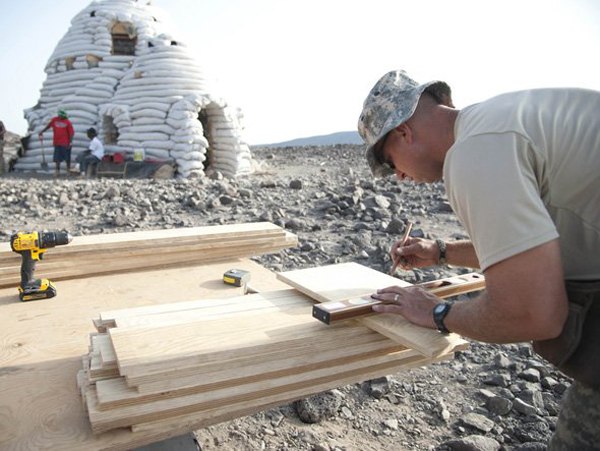
“Amid the stony, unforgiving terrain of Djibouti, U.S. service members have been working with villagers of the Tadjourah region to build a “beacon for the community to rally around.” And the way they did it is pretty remarkable, as you can see in the slideshow linked below.
Leasing Solar Equipment

This might be a good time to buy a solar energy system for your home. Consider leasing rather than buying equipment to reduce the initial investment needed. Companies such as Sunrun and SolarCity install solar energy systems for little or no payment, then charge for the power generated at lower cost than most utilities. Solar equipment prices are dropping fast – about half price from one year ago. At the same time, technological advancements are improving the performance. And since fossil fuel costs are expected to continue rising in the future, renewable energy alternatives such as solar become even more attractive.
Low Energy Buildings
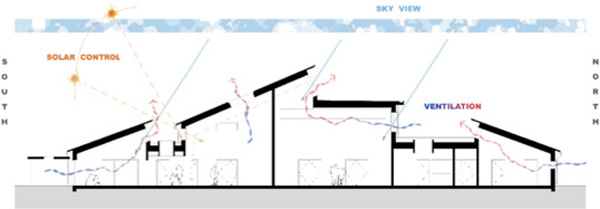
Ashden.org is one of my all time favorite sites. You can spend days researching their extensive website for award winning designs. This is top quality information, folks.
“Low energy buildings use passive techniques, such as optimal solar gain, and advanced active systems, such as mechanical ventilation with heat recovery, to create comfortable internal environments that have low energy demand and associated greenhouse gas emissions. Some low energy buildings use renewable energy generation to further reduce or eliminate their greenhouse gas emissions in use.
– Buildings account for about 45% of UK CO2 emissions.
– Good design can cut CO2 and energy bills by nearly two thirds.
– Incorporating renewable energy as well can give buildings that produce no net CO2 in use.
Aardskip Earthbag Earthship Update
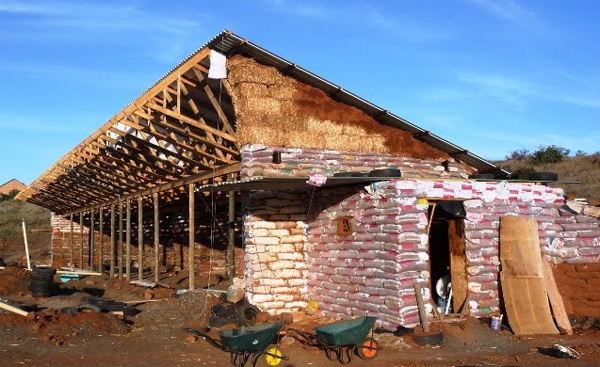
“Earthship development in South Africa. Main goal is to create an information centre of eco- and autarkical houses also for the less fortunate.”
I look forward to hearing more details. Check out their blog for more info.
Source: Aardskip – Earthship
Small-scale Biogas Plants
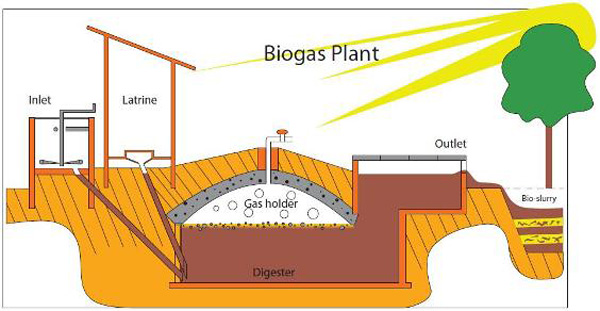
Our blog focuses on low cost, sustainable ways of building homes with local resources. It’s equally exciting and practical learning about alternatives to costly centralized grid systems (electrical, gas, sewer, water) that tend to lock people into the system and make them vulnerable to price controls. Biogas is one of many renewable energy systems that provide greater independence at very low cost. Biogas is especially practical in rural areas where running power and gas lines are cost prohibitive. Distributed systems such as biogas and other biofuels, solar water heaters, wood stoves, solar ovens, etc. located at or near the source typically keep functioning during times of emergencies. When a whole city or region is without power, water and sewer during a blizzard, your family can be safe and snug.