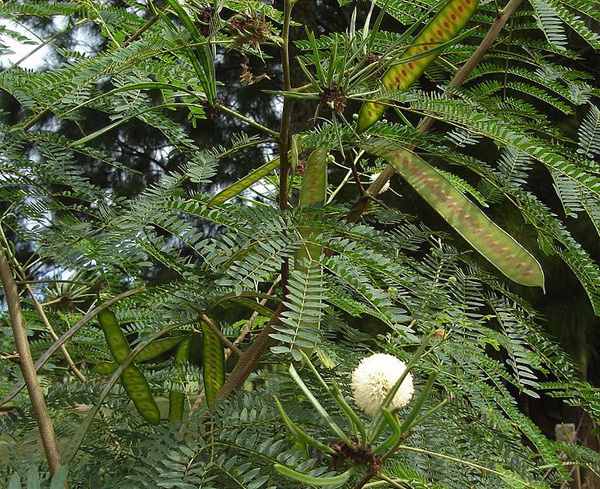
In the process of researching trees and plants for our tropical food forests, we came across two trees with extremely practical characteristics. Moringa, the third tree we’re focusing on, was covered in previous blog posts. Moringa is considered one of the most nutritious plants in the world and will play a pivotal role in our food forests.
Landscaping
More Details about Terra Preta
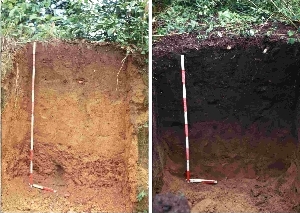
I’m really fascinated with the terra preta/biochar concept. We briefly touched on the subject in our blog post Big Ideas that are Changing the World. Watch the excellent video there for a good overview of the subject.
Terra preta is nothing short of amazing. It’s considered the most fertile soil in the world, and has retained its fertility over thousands of years. Studies have reported positive effects from biochar on crop production in degraded and nutrient–poor soils. Biochar–enhanced soils can indefinitely sustain agricultural production [that means forever!], whereas non-amended soils quickly become depleted of nutrients. Compare terra preta to modern industrial agriculture that gradually depletes soil and pollutes groundwater and food sources with toxic chemicals.
New FAQ’s at Earthbagbuilding.com
The Frequently Asked Questions section of www.earthbagbuilding.com has been accumulating pertinent questions and answers for over a decade. These had been categorized into only about a half dozen pages, which had become overly long and cumbersome for finding specific information. I finally decided to organize them in such a way that it is now much … Read more
Ancient Food Forests
Food forests are the most productive agriculture system in the world. They have the lowest labor and highest yield. Food forests produce more food, medicinal plants, fiber, building materials, fodder, spices, herbs, flowers and other beneficial plants per square meter than any other farming method. Imagine how much work goes into tilling, planting, spraying and weeding row crops such as corn every year. In stark contrast, food forests are virtually self-sustaining once established. They’re also less vulnerable to pests and swings in weather.
Modified Raised Bed Gardening with Wood Chip Trench Composting
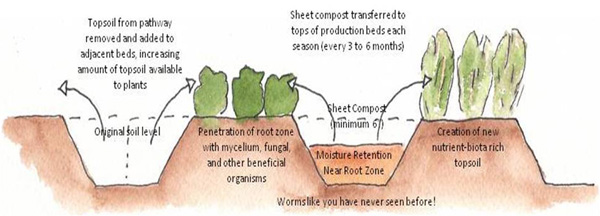
“A major issue in sustaining vegetable production is maintaining high soil quality in the face of common practices that work against it. Vegetable growing often involves intensive tillage, cultivation, exposure of almost-bare soil to the sun and rain for long periods, and heavy traffic from people and equipment. All of these practices tend to destroy soil organic matter and soil structure while increasing soil compaction.
Growing Moringa, the World’s Most Nutritious Tree
As we reported in a previous blog post about the Healthiest Foods in the World, moringa leaves are amazingly nutrient dense: 7 times the vitamin C of oranges, 4 times the vitamin A of carrots, 4 times the calcium of milk, 3 times the potassium of bananas, 3 times the iron of spinach, and 2 times the protein of yogurt. In addition, moringa has minerals, 46 antioxidants, significant amounts of beta-carotene and all the essential amino acids. Aid agencies consider moringa a vital tool in the fight against malnutrition around the world. Maybe that’s why some call it the Tree of Life or Miracle Tree.